
By Coptic Solidarity –
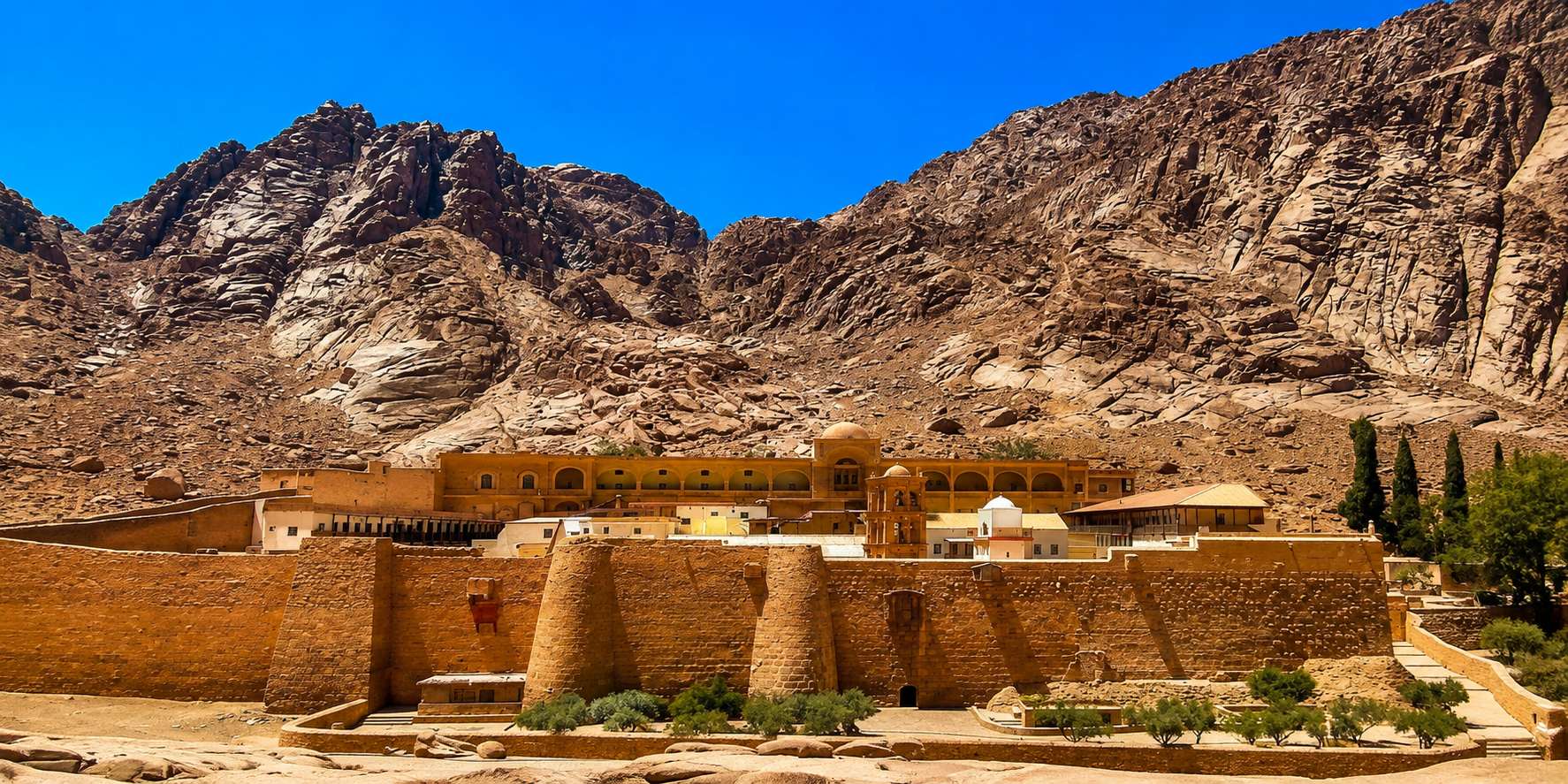
The legal position of St. Catherine’s Monastery remains unresolved following August 23, 2026, the date previously identified in Egyptian reporting based on Court of Cassation Prosecution memoranda for consideration of the two pending cassation appeals.
No ruling was publicly issued on August 23. Nor has any publicly accessible Egyptian judicial record so far been located establishing what, if any, procedural action the Court took that day.
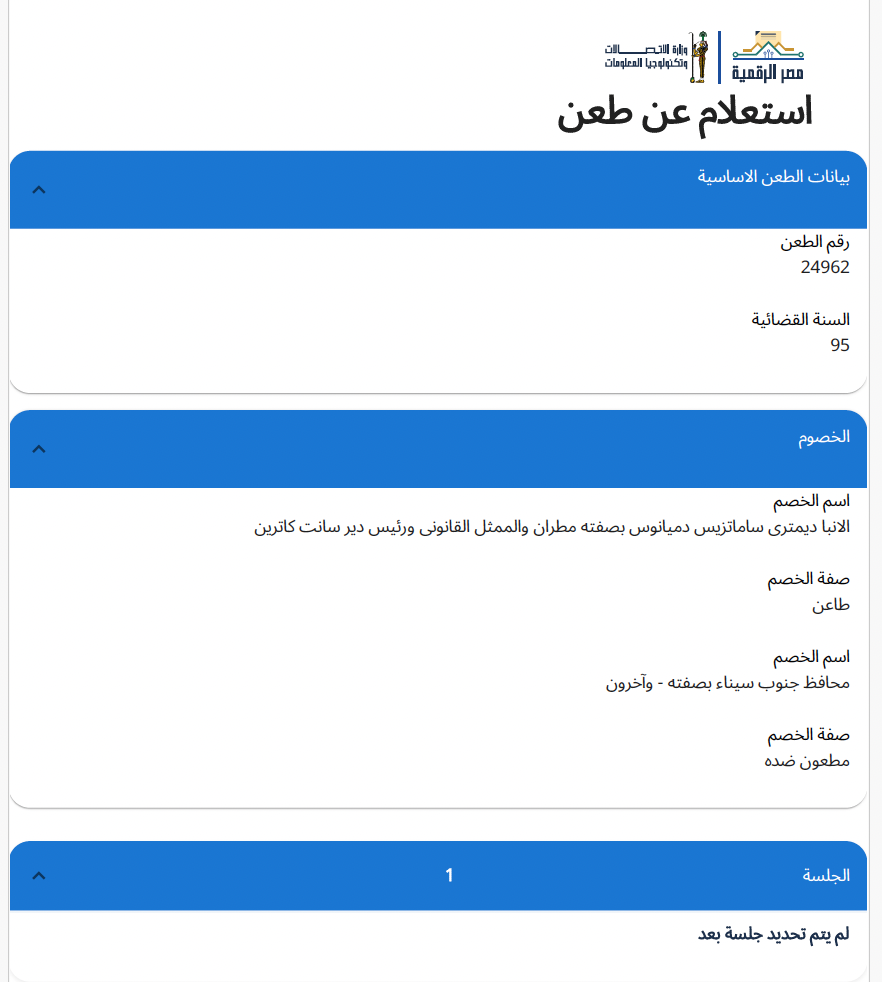
Two cassation appeals remain pending against the May 2025 Ismailia Court of Appeals judgment: one filed by the Egyptian government, No. 24838/95 Judicial Year, and another by the Monastery, No. 24962/95 Judicial Year. In July, the Court of Cassation Prosecution (Niyabat al-Naqd) issued advisory opinions recommending rejection of the Monastery’s appeal while recommending that the government’s appeal be accepted only partially. These opinions are recommendations to the Court, not judgments.
Egyptian reporting based on the prosecution memoranda stated that the two appeals were scheduled to be considered on August 23. This appears to have been the basis for subsequent reports presenting that date as when the Court would issue its ruling.
Greek media subsequently reported that announcement of the Court’s decision had been postponed. An August 24 report by Ta Nea, citing unnamed “ecclesiastical and diplomatic sources,” interpreted the delay as providing another window for negotiations between the Monastery and the Egyptian government. However, no publicly accessible Egyptian Court of Cassation order, docket entry or official communiqué has so far been located confirming what procedural action was taken or setting a new date.
What we know about the negotiations
Negotiations over the Monastery’s future legal status have been taking place, although their current state and precise content remain opaque. On June 3, the Greek Foreign Ministry publicly confirmed that a “preliminary common understanding” had been reached between the Greek and Egyptian sides and submitted to the Sinaitic community, which, the Ministry stressed, has the final say.
Current Greek reporting says negotiations are now taking place principally between Archbishop Symeon/the Sinaitic Brotherhood and the Egyptian authorities. The emerging formula reportedly separates Egyptian state ownership/control of archaeological property from permanent religious possession and use by the Brotherhood. Properties outside the Monastery walls remain particularly problematic.
There are also several unresolved prerequisites reportedly under discussion: Egyptian legal recognition of Archbishop Symeon so that he can represent the Monastery; recognition of the Monastery’s statutes; the legal status of the monks’ residence; and final approval of any agreement by the Sinaitic Brotherhood.
The absence of a Cassation decision appears likely to be connected with attempts to reach an agreement outside the courtroom, although no official link between the two has been confirmed.
At the same time, there are indications of growing international concern, particularly in the United States and the European Union, over Egypt’s continuing attempts to alter the centuries-old Status Quo and assert control over the Monastery and its properties. Such concern, if translated into effective diplomatic pressure, could become an important factor alongside the judicial proceedings and negotiations.