
By Coptic Solidarity –
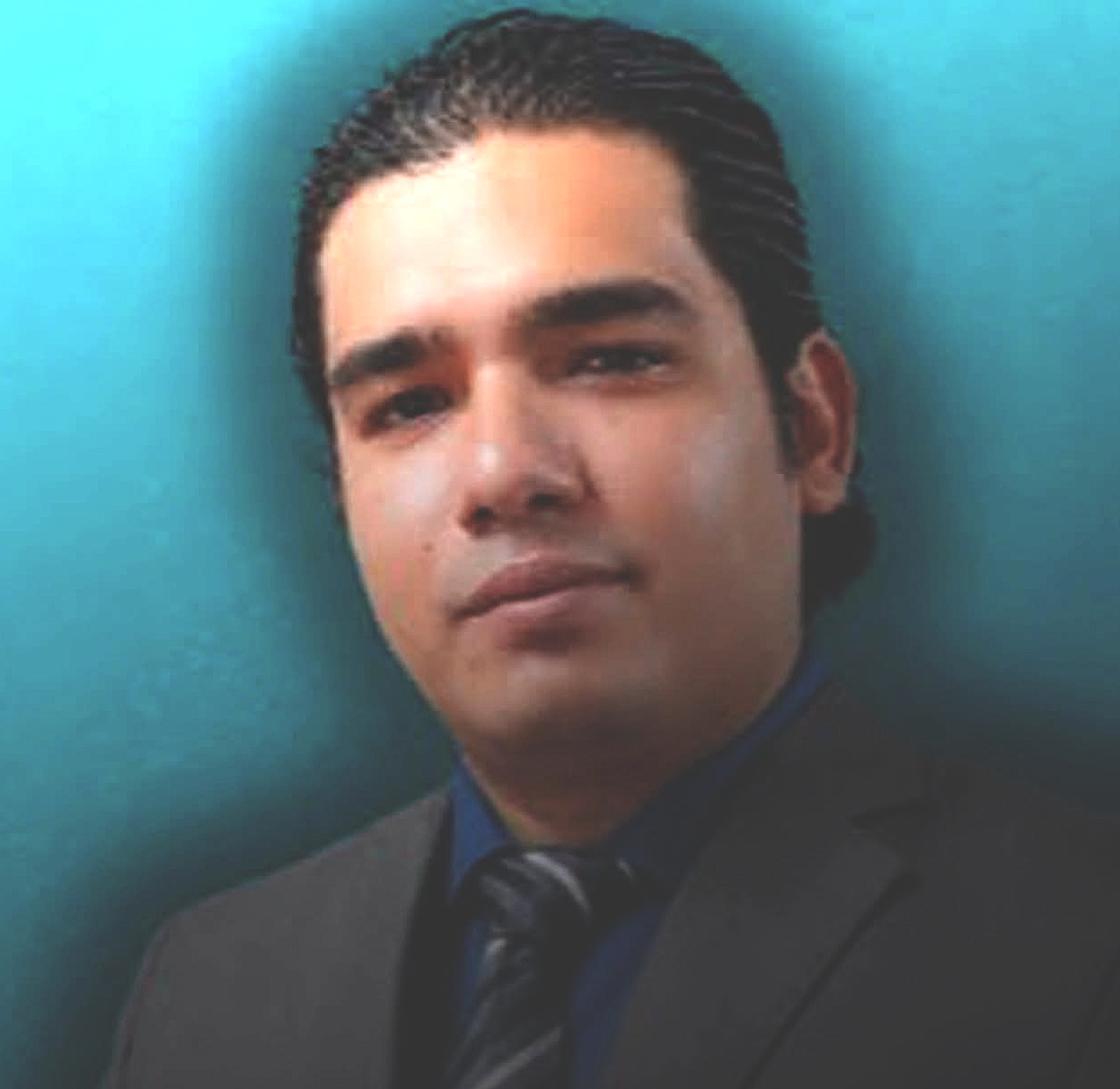
An Egyptian court has renewed the pretrial detention of Coptic novelist Peter Tawfik Kamal for another 45 days, despite mounting concerns over his deteriorating health, serious procedural irregularities, and the absence of credible evidence that his writings constitute criminal offenses. His case illustrates how Egypt’s blasphemy legislation can be used to criminalize not only religious criticism but also philosophical inquiry and literary creativity.
On November 17, 2026, the Fourth Circuit of the Minya Criminal Court ordered Kamal’s continued detention in Case No. 1184/2026, registered at the Mallawi Police Station.
He faces accusations of “contempt of religion” and of leading and organizing a group allegedly dedicated to denigrating revealed religions, and inciting sectarian strife.
According to the Egyptian Commission for Rights and Freedoms (ECRF) and the Law and Democracy Support Foundation (LDSF), the allegations are based primarily on Kamal’s social media posts, and literary works, particularly his novel Farewell, My Dear God (Wada’an Ilahi al-Aziz).
The two organizations maintain that the case contains no allegations of incitement to violence, hatred, or discrimination. They also challenge the legal basis for his continued detention, arguing that he has exceeded the maximum period permitted for pretrial detention in misdemeanor cases, while the authorities have produced no substantive evidence justifying the classification of his alleged offenses as felonies.
A Novelist’s Writings Become a Criminal Case
Kamal is a young Egyptian novelist and poet who has published several works exploring philosophical, existential, and religious questions.
Among his books are Land of Absurdity, Wandering and Love, Born Without Reassurance, Sonata for the Weeping Violet, and Psalms of Exile and Nothingness.
His arrest followed a summons to the National Security Agency headquarters in Mallawi, Minya Governorate, on April 14, 2026. He voluntarily appeared, apparently expecting to provide information requested by security officers.
Instead, he was detained and disappeared for eight days, during which his family and lawyers were unable to establish his whereabouts.
He eventually appeared before the prosecution on April 22. However, the official arrest report, dated that same day, claimed that he had been apprehended on a public road during a security operation.
This account directly contradicts the family’s documented reports of his detention eight days earlier. His relatives had already sent official complaints to the Public Prosecutor, the Interior Ministry, and the National Council for Human Rights demanding information about his whereabouts.
The discrepancy raises serious questions about the accuracy of the arrest record and the legality of his initial detention.
The prosecution subsequently relied on National Security investigations characterizing Kamal’s skeptical ideas as “extremist.”
According to the September 18 joint statement by ECRF and LDSF, the National Security officer responsible for the investigation acknowledged relying primarily on undisclosed confidential sources. He was reportedly unable to identify basic facts, including when the allegedly incriminating ideas had first been published or when the relevant online account had been created.
The authorities also examined Kamal’s mobile phone, private correspondence, photographs, and personal files, using portions of this material in the investigation.
The resulting case appears to rest not on identifiable criminal conduct but on the content of his intellectual and literary expression.
Deteriorating Health and Denial of Basic Rights
The latest detention renewal comes amid increasingly alarming reports concerning Kamal’s physical and psychological well-being.
In a joint statement issued on November 16, ECRF and LDSF reported that he had developed an abscess on his back, accompanied by a high fever, without receiving adequate medical treatment.
His health has reportedly deteriorated substantially, with significant weight loss aggravated by harsh detention conditions.
The organizations documented prolonged deprivation of outdoor exercise, inadequate sleeping arrangements, insufficient blankets, and increasing restrictions on food supplied by his family.
Books have also been prohibited, depriving a writer of access to materials central to his intellectual and professional life.
On November 12, Mallawi Prison authorities reportedly refused to admit medication intended for Kamal, reversing their decision only after objections and the threat of a formal complaint.
Kamal also requires regular specialist medical supervision and medication for a previously diagnosed psychiatric condition, according to the organizations, which have called for an independent medical assessment and uninterrupted treatment.
Further concerns surround his access to legal representation. His defense team reported that, during an earlier detention-renewal hearing, the authorities claimed he had waived his right to have a lawyer present. His lawyers categorically denied this, insisting that he had never relinquished his right to legal assistance.
These allegations, if substantiated, would represent serious violations of the guarantees afforded to detainees under Egypt’s Constitution and international human rights standards.
Criminalizing Thought Under the Pretext of Protecting Religion
The case raises fundamental questions about the scope of freedom of belief and expression in Egypt.
Article 64 of the Egyptian Constitution declares freedom of belief absolute, while Articles 65 and 67 protect freedom of thought, opinion, and artistic and literary creativity.
Yet Article 98(f) of the Penal Code, commonly used in blasphemy prosecutions, contains broad provisions concerning the exploitation of religion to promote allegedly extremist ideas and denigrate revealed religions.
Its vague terminology allows peaceful criticism, philosophical skepticism, and religious disagreement to become subjects of criminal investigation.
In Kamal’s case is particularly revealing. The freedom to hold religious beliefs necessarily encompasses the freedom to question, reject, or change them. The peaceful expression of nonreligious views cannot legitimately be equated with incitement to sectarian hatred.
Nor should the authorities become arbiters of acceptable literary or philosophical interpretations.
The case also illustrates how pretrial detention can become a form of punishment long before any conviction. Kamal has been imprisoned for more than seven months, while successive detention renewals have continued despite the defense’s challenges to the evidence and his worsening health.
His ordeal is not an isolated concern. Other Egyptian Christians, including researcher Augustinos Samaan, have faced criminal prosecution and imprisonment for religious expression, while Muslim intellectuals who challenge established religious narratives have also encountered legal and administrative restrictions.
These cases point to a broader institutional problem: the use of criminal law and state authority to police religious discourse and suppress intellectual dissent.
The Egyptian Commission for Rights and Freedoms, the Law and Democracy Support Foundation, and Women Journalists Without Chains have called for Kamal’s release and an end to prosecutions based on peaceful expression.
Coptic Solidarity joins these demands and calls for the immediate and unconditional release of Peter Tawfik Kamal, the dismissal of charges arising from his peaceful writings and beliefs, and an independent investigation into his alleged enforced disappearance and mistreatment.
Pending his release, the authorities must guarantee adequate medical care, unrestricted access to legal counsel, and detention conditions consistent with basic human dignity.
A state that imprisons a novelist for questioning religious beliefs is not protecting religion. It is demonstrating how little protection it affords freedom of thought.
______________________
Sources:
LDSF — Detention renewed for 45 days, November 18, 2026.
ECRF — Medical neglect and denial of basic rights, November 16, 2026.
ECRF — Detailed account of the charges and arrest, October 15, 2026.
Women Journalists Without Chains — Freedom of thought on trial, September 24, 2026.