
By Coptic Solidarity –
Egypt’s Court of Cassation has set November 15, 2026, to consider the cassation challenge filed by Coptic Christian researcher Dr. Augustinos Samaan against his five-year prison sentence with hard labor for “contempt of religion”—a challenge centered on the serious procedural violations that marked his referral, trial and conviction.
According to Samaan’s lawyers, Said Fayez office, electronic records of the Court of Cassation show that Cassation No. 12839/96 Judicial Year has been scheduled for November 15. The challenge concerns the five-year sentence originally imposed on January 3, 2026, and subsequently upheld by the Giza criminal court on February 23.
The Court of Cassation proceedings are particularly significant because fundamental guarantees of a fair trial were denied from the moment his case was referred to trial. His lawyers were not notified of the referral, were denied timely access to the case file, and were consequently absent when proceedings against him began. Samaan was tried and sentenced without his family or defense even knowing that his trial was taking place. They discovered that he had already been convicted only when they appeared at court expecting what they believed would be another detention-renewal hearing.
Harsh Sentence for Religious Expression
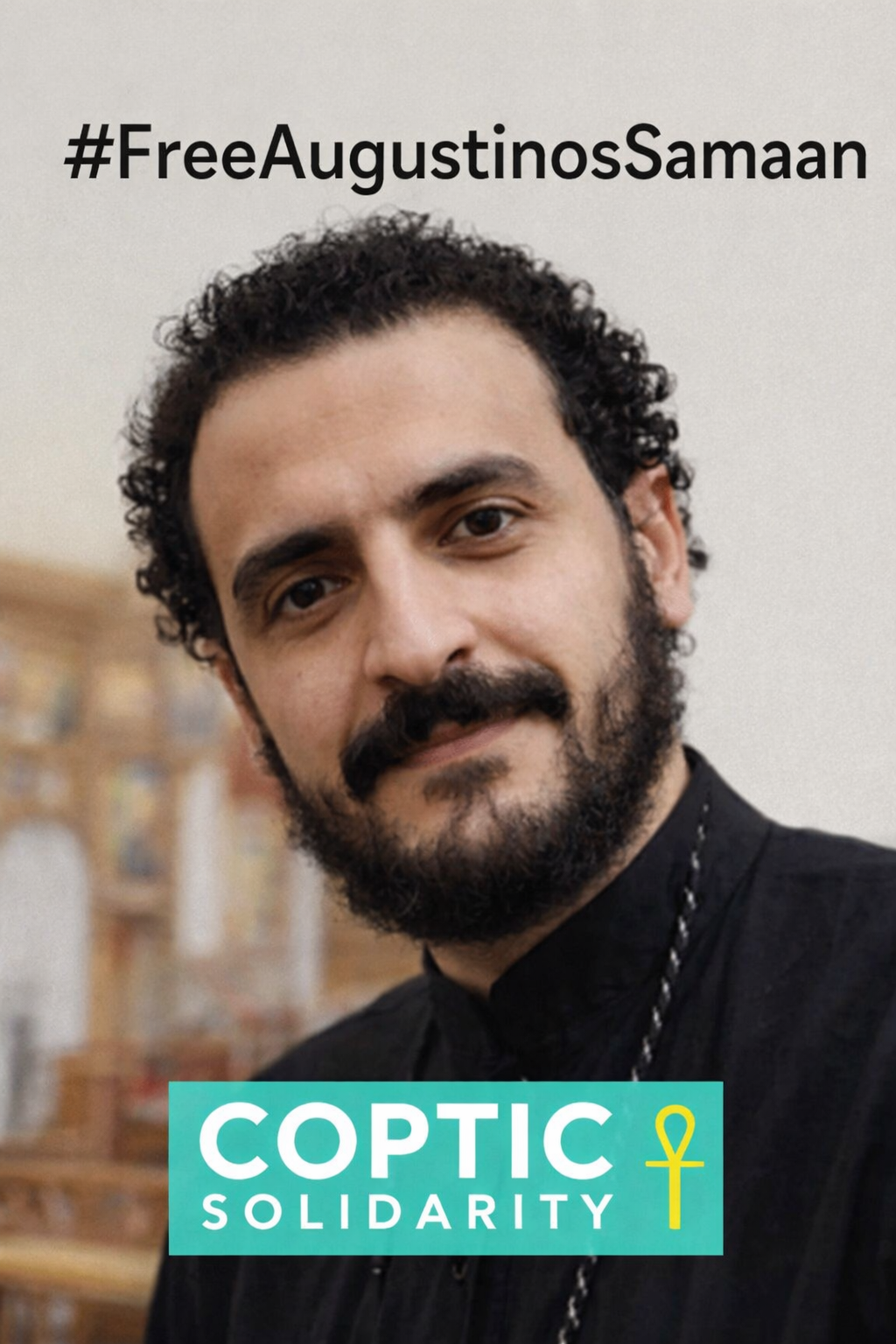
Samaan, 37, is a Coptic researcher specializing in comparative religion and a Christian apologist known for his online discussions of Christianity and Islam and his responses to anti-Christian arguments.
Masked security officers arrested him on October 1, 2025, confiscating his computer, telephone, books and personal papers. He was initially confronted with terrorism-related accusations, which were subsequently replaced by charges of “contempt of religion” and misuse of social media under Article 98(f) of the Egyptian Penal Code, commonly known as Egypt’s blasphemy provision.
On January 3, Samaan was sentenced to five years’ imprisonment with hard labor, the maximum prison term under Article 98(f), with immediate enforcement and court costs.
But the severity of the sentence was compounded by the manner in which it was obtained. Court officials later confirmed that Samaan’s case had been heard on December 27, 2025, and adjourned to January 3 for judgment—without his lawyers being notified of either proceeding. His defense was also prevented from obtaining essential case documents before his conviction and did not gain access to the file until February 11.
On February 23, the Giza criminal appeals court upheld the five-year sentence despite the defense’s objections concerning both the prosecution of peaceful religious expression and the procedural violations surrounding the original proceedings.
Trial Process Now Under Scrutiny
The November 15 proceedings therefore place before Egypt’s highest ordinary court a case in which the substance of the conviction and the manner in which it was obtained are closely intertwined.
Samaan is imprisoned for peaceful religious expression, while the judicial process that produced the maximum five-year sentence denied his defense some of the most elementary safeguards of a criminal trial: notification that the case had been referred, knowledge of the trial dates, timely access to the prosecution file, and a meaningful opportunity to defend him before conviction.
The Court of Cassation will now have the opportunity to determine whether a conviction reached through such proceedings can stand.