
By Coptic Solidarity –
Fifteen years after the Maspero Massacre, one of the darkest chapters in Egypt’s modern history remains unsolved without meaningful justice. On that day, the Egyptian Armed Forces killed peaceful demonstrators demanding equal citizenship, while state-controlled media portrayed the victims as aggressors and encouraged citizens to turn against them. The failure to hold those responsible accountable continues to cast a long shadow over Egypt’s Coptic Christians.
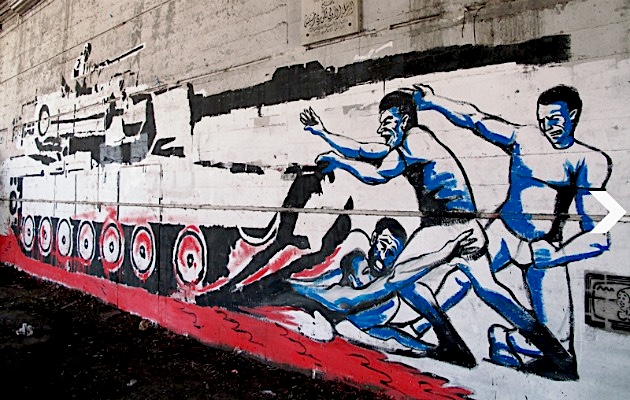
On October 9, 2011, thousands of Egyptians, predominantly Copts, marched through Cairo to protest the destruction of a church in Aswan by Islamist extremists and the authorities’ failure to protect their community. As demonstrators approached the MasperoTelevision Headquarters, Egyptian military forces opened fire and drove armored personnel carriers into the crowds, crushing protesters beneath their wheels. Twenty-eight people were massacred, all but one were Copts, and more than 300 were injured.
The role of Egypt’s state-controlled media in transforming victims into alleged perpetrators was also quite disturbing. While soldiers and extremists were killing civilians in front of that same building, state television falsely claimed that armed Coptic protesters were attacking and killing Egyptian soldiers. Broadcasters urged “honorable citizens” to take to the streets to defend the military. To obfuscate the reality, the military forcibly ended live broadcasts of the events by two independent media outlets.
Rather than inform the public of the facts, state media helped incite hostility against the very people being massacred. The contrast was chilling: Copts demanding protection were depicted as a mortal threat, while the institutions killing them claimed to be defending the nation.
Fifteen years later, who has been held accountable?
Earlier this year, Nadia Beshara, mother of slain Maspero activist Mina Danial, died after spending nearly fifteen years demanding justice for her son. She never lived to see it.
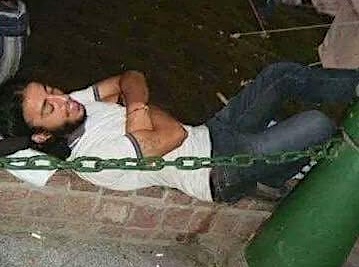
Three low-ranking soldiers received two- to three-year sentences for involuntary manslaughter. No senior military commander was prosecuted for the killings, and the military’s use of live ammunition was never properly investigated. Meanwhile, Coptic demonstrators themselves faced arrests and prosecution. Despite extensive video evidence, eyewitness testimony, and forensic findings, Egypt has never undertaken a credible, comprehensive reckoning with the massacre.
This failure established and reinforced a dangerous message: violence against Copts can occur without meaningful consequences, even when state institutions themselves are implicated.
The consequences remain visible even today. In July 2026, following a sectarian attack on a Coptic church in Tal al-Quiblya, Minya, Coptic Solidarity documented how authorities detained Christian victims and pressured them toward informal reconciliation rather than ensuring accountability for their attackers.
Such practices perpetuate the same inversion of justice witnessed at Maspero, where victims are treated as troublemakers, perpetrators escape meaningful punishment.
This is how impunity fuels repeated hostility. When perpetrators face no serious consequences, others are emboldened. When authorities pressure victims into silence, discrimination becomes entrenched. And when official narratives obscure responsibility, the conditions for future violence remain intact.
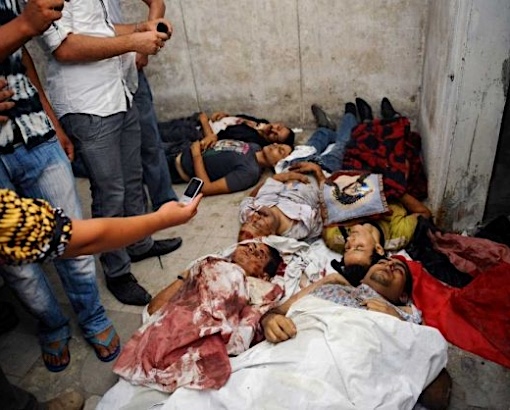
Today, Coptic Solidarity honors those killed at Maspero and renews its demand for an independent investigation, accountability throughout the military chain of command, and an end to the institutional practices that allow anti-Coptic violence to go unpunished.
Egypt cannot credibly promise national unity while denying equal justice. Fifteen years after Maspero, the message must be unmistakable: without accountability, there can be no lasting protection for Copts, and without equal protection, there can be no genuine equal citizenship.