
By Coptic Solidarity –
The defence of Said Abdelrazek is due to present its arguments on 8 December, after prosecutors sought the maximum penalty at a 3 November hearing. Accounts of religious remarks made during the session raise further questions about the atmosphere in which his case is being heard.
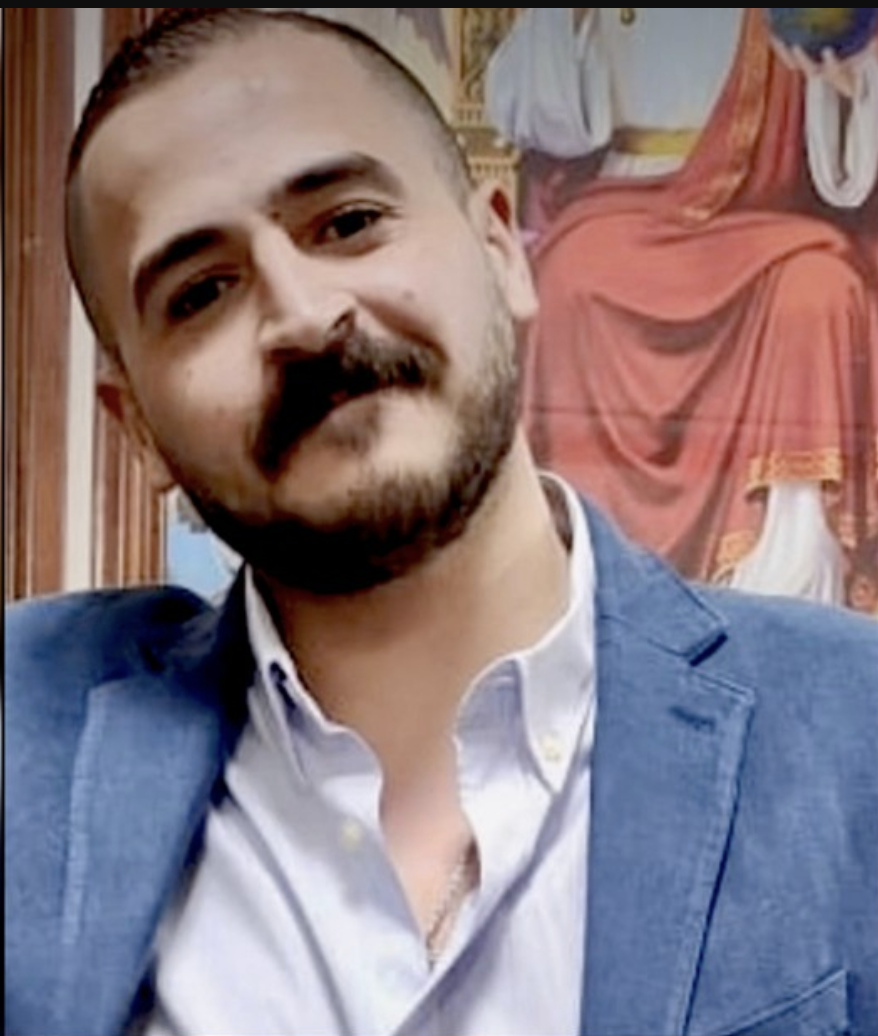
Egyptian prosecutors asked a terrorism court to impose the maximum penalty on Said Mansour Rezk Abdelrazek, also known as Said Abu Mustafa, at a hearing on 3 November 2026. His lawyer’s office confirmed the request and said the court adjourned proceedings until 8 December for the defence to present its arguments.
Abdelrazek is a convert from Islam to Christianity. He faces charges that include contempt for Islam, joining a banned terrorist organization, inciting unrest and spreading false information. These are prosecution allegations, not findings of guilt. The United States Commission on International Religious Freedom records the charges in its religious prisoners of conscience database. Amnesty International has argued that the case arises from Abdelrazek’s conversion and religious beliefs and has called for his release.
According to the formal account of the latest hearing the prosecution has completed its closing argument and requested the harshest penalty available, while the defence has yet to make its closing case. According to a statement from lawyer Said Fayez’s office, counsel intends to address the prosecution’s submissions, examine the evidence and set out the legal and factual grounds of the defence on 8 December.
Separate accounts of the hearing, which have not been independently verified, describe exchanges that merit careful scrutiny. According to these accounts, the prosecutor argued that although a person may leave Islam, Abdelrazek had no right to express hatred toward it. He accused Abdelrazek of disrespecting the Prophet Muhammad, Aisha, the Prophet’s companions and the Muslim community, and of causing division in Egypt. The accounts also say the prosecutor characterized people who called Abdelrazek “Mawlana” as followers of a terrorist group and ended by declaring that Egypt is, and will remain, an Islamic state. These descriptions of the prosecutor’s remarks are based on accounts of the hearing, not an independently verified transcript; his accusations against Abdelrazek remain allegations, not findings of guilt.
Accounts of the hearing also describe an unrelated exchange. As a lawyer stood drinking water while listening to the prosecutor, the presiding judge reportedly cited a hadith discouraging the practice of drinking while standing. The judge then urged those present to love the Prophet Muhammad. If accurately reported, religious instruction from the bench during the trial of a Christian convert raises serious questions about the appearance of judicial impartiality. It does not establish how the court will decide the case, but it makes close observation of the remaining proceedings especially important.
The stakes are already substantial. Abdelrazek has been detained since July 2025. Amnesty International says he has alleged torture and other ill-treatment in custody; those allegations require an independent investigation. His conversion and public expression of Christian beliefs have drawn attention from international religious freedom and human-rights organizations.
At the next hearing, the central questions should be tested through evidence and law: what acts Abdelrazek is alleged to have committed, what proof supports each charge, and whether peaceful religious expression has been treated as a security offence. The prosecution’s request for the maximum penalty makes those questions urgent. So do the reported remarks from the courtroom. Abdelrazek is entitled to a fair hearing before an impartial court, with adequate time for his defence and a judgment grounded in proven conduct rather than disapproval of his faith.