Coptic churches, monasteries, cemeteries, manuscripts, and artifacts are an integral part of Coptic and broader Egyptian history, serving as a physical record of Copts’ established presence in their indigenous lands. Thus, the loss and alteration of these sites is a significant loss of Egyptian history and identity.
NaqlunFayoum Governorate
RashidBeheira Governorate
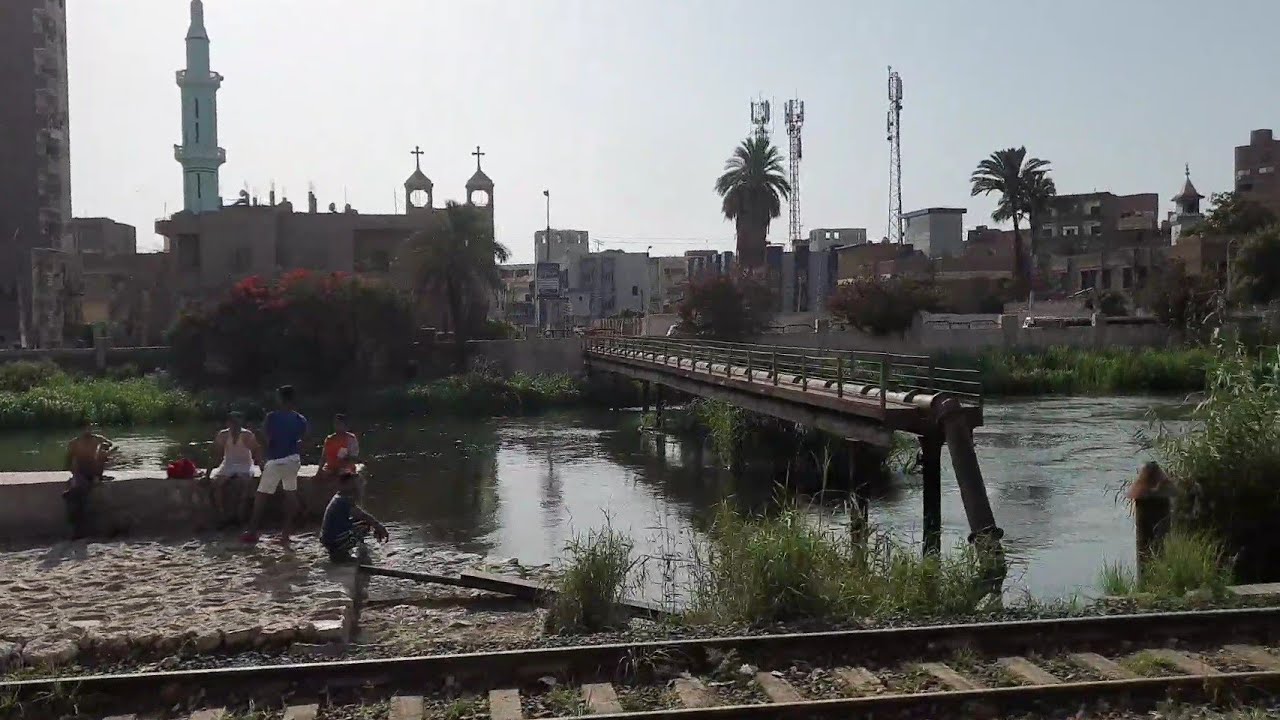
Tal al-QibliyaMinya Governorate
15th of May CityCairo Governorate
Administrative map adapted from NordNordWest / Wikimedia Commons · CC BY-SA 3.0 DE
Cultural Destruction
Cultural destruction refers to the deliberate damage, demolition, intimidation, or violence targeting of Coptic churches, monasteries, cemeteries, lands, and related religious property. Because the affected sites are active places of worship, burial, pilgrimage, monastic life, and communal memory, their destruction interferes with the community’s ability to exercise its religious freedom, preserve its cultural life, and genuinely participate in its own religious and cultural heritage.
The Monastery of Archangel Gabriel
Naqlun Desert · Fayoum Governorate
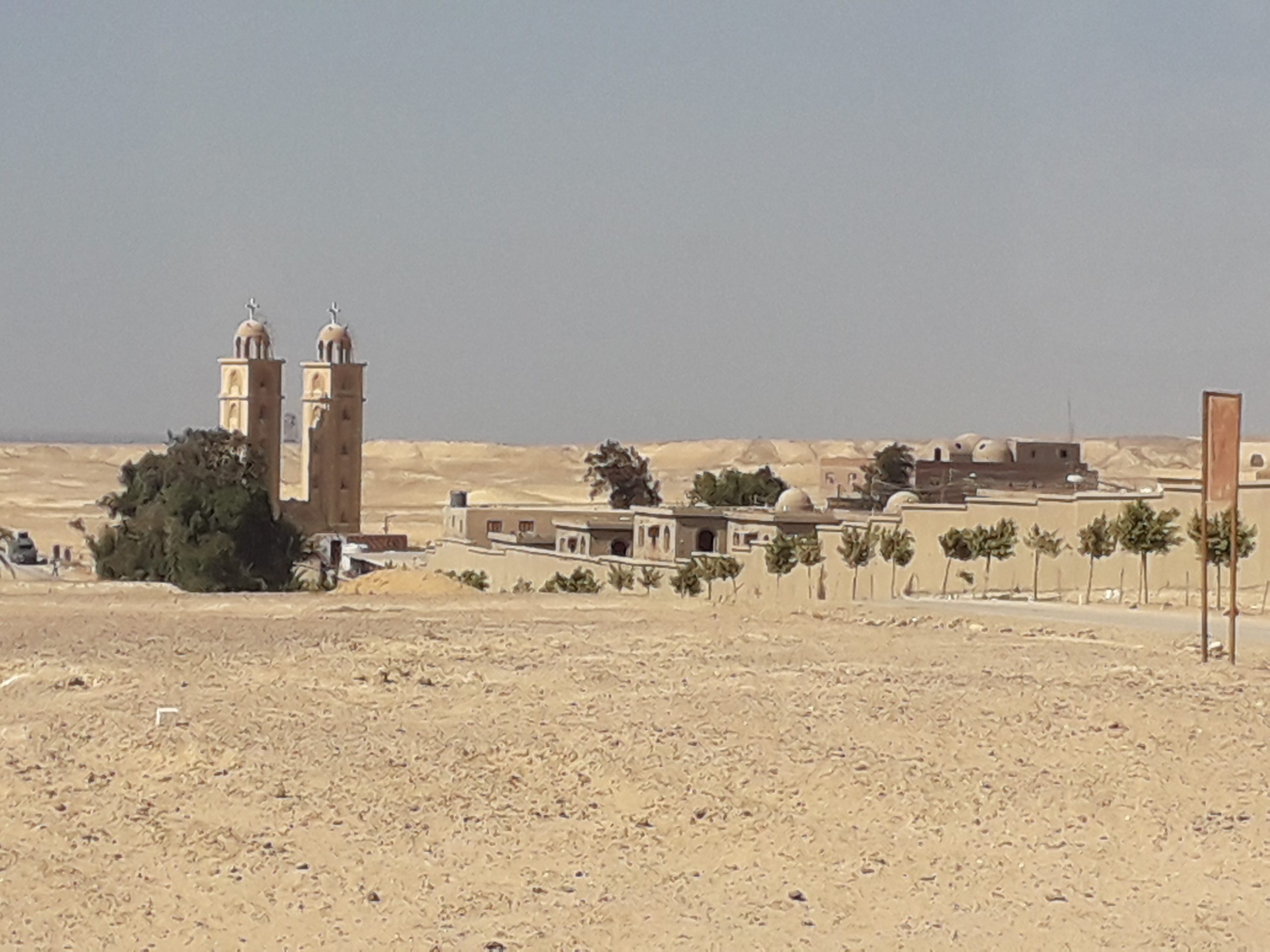
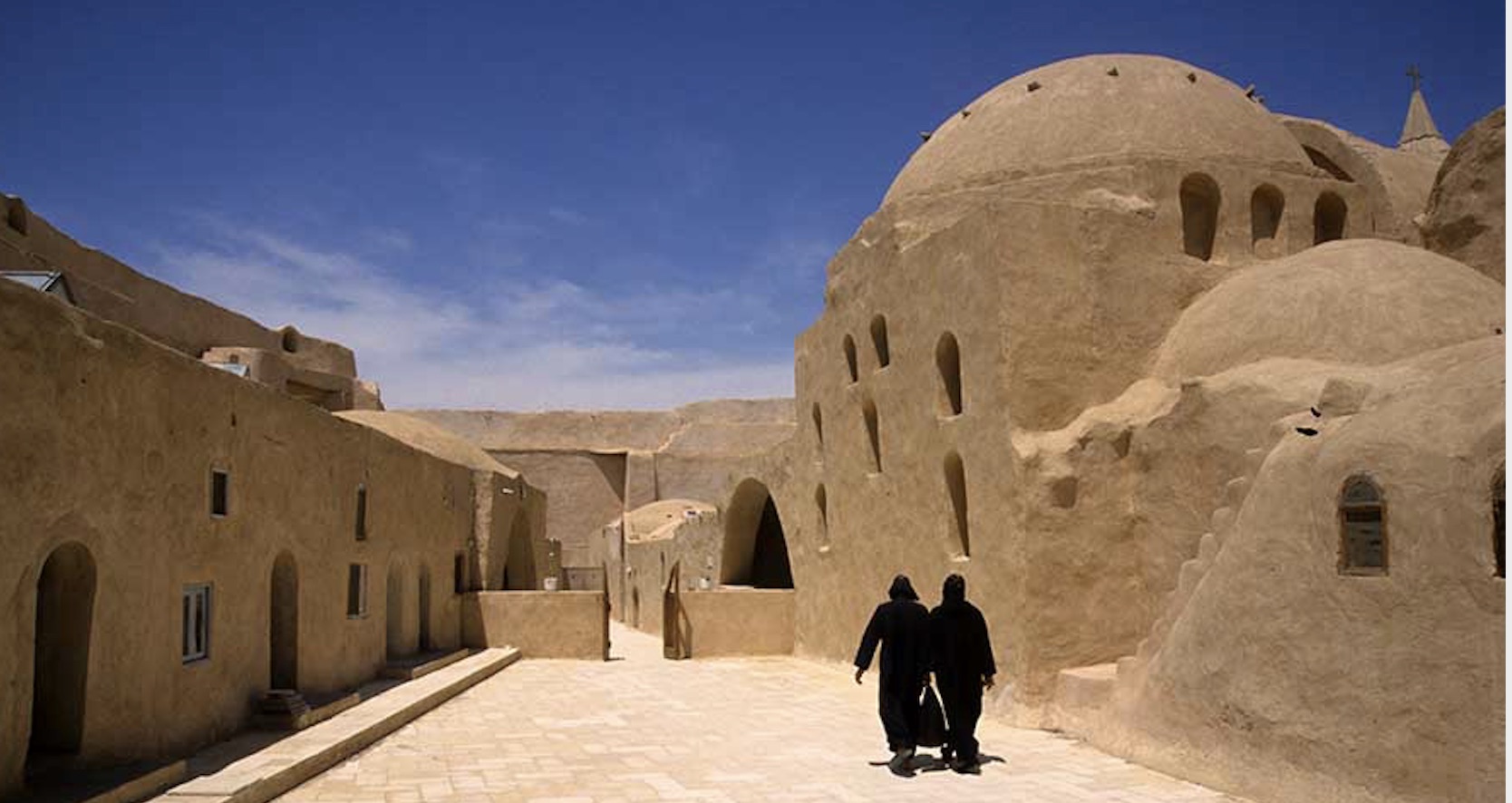
Set against the desert edge of the Fayoum Oasis, the Monastery of the Archangel Gabriel at Naqlun preserves more than fifteen centuries of Coptic monastic life. Its landscape contains some 90 rock-cut hermitages, ancient cemeteries, and the remains of successive monastic communities.
Archaeologists have also recovered nearly 1,000 texts in Coptic, Greek, and Arabic, making Naqlun a living place of worship and an extraordinary archive of Egypt’s Christian heritage.
WataniWatani
Violation(s)
Discriminatory Enforcement · Demolition
Location
Naqlun Desert, Fayoum Governorate
Case Started
April 20, 2026
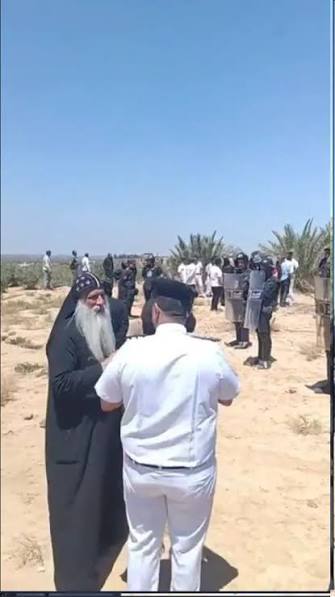
On April 20, authorities executed a demolition order against agricultural land affiliated with the Monastery. During the execution of the demolition, a monk sustained a foot fracture after being struck by demolition equipment.
In a subsequent statement, the Monastery announced it had repeatedly initiated formal regularization procedures for the land they had cultivated for about two decades. The Fayoum authorities demolished the farmland without proper notice, and, to this day, authorities have rejected regularization requests but have not provided a final resolution of their position.
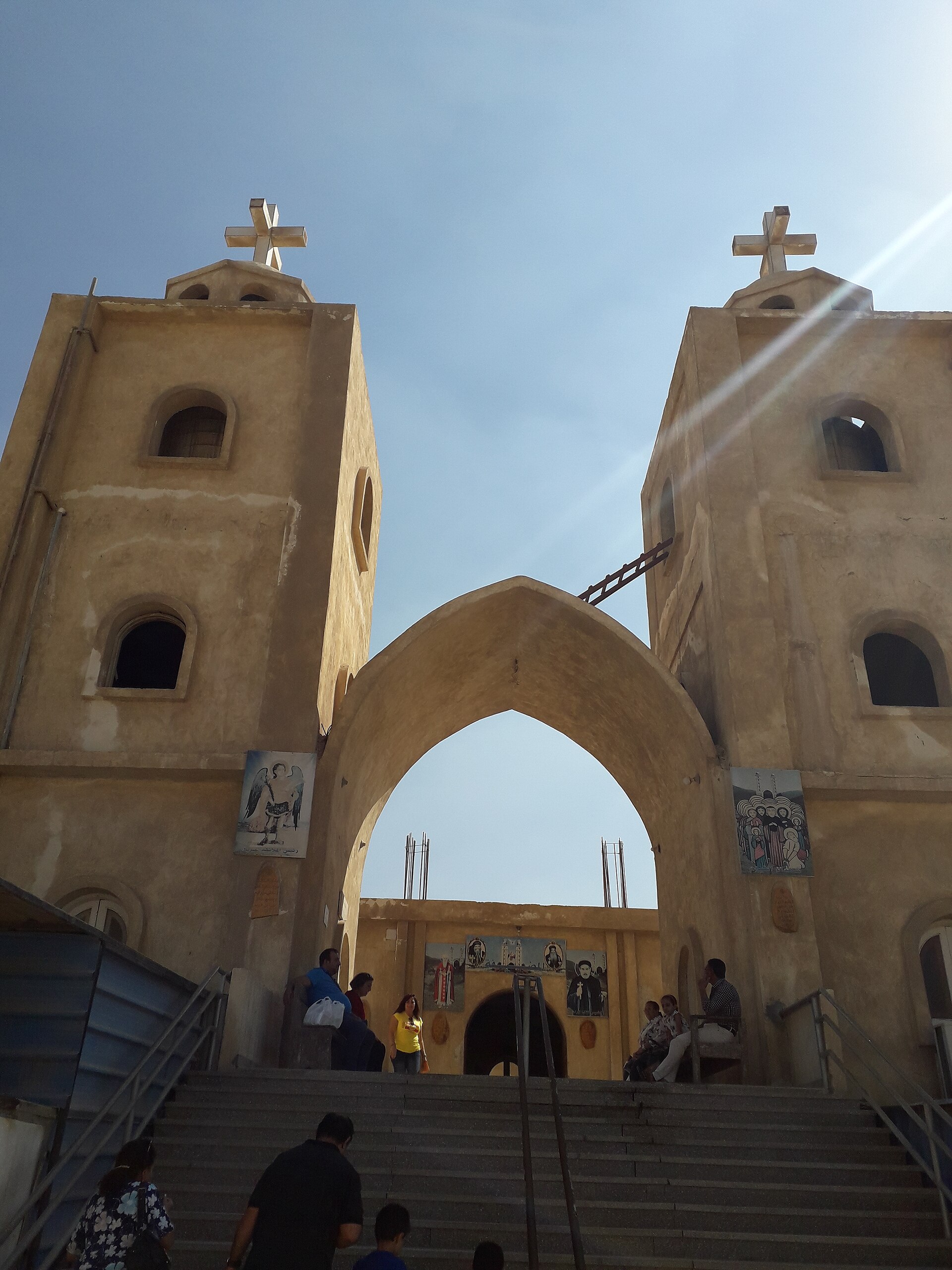
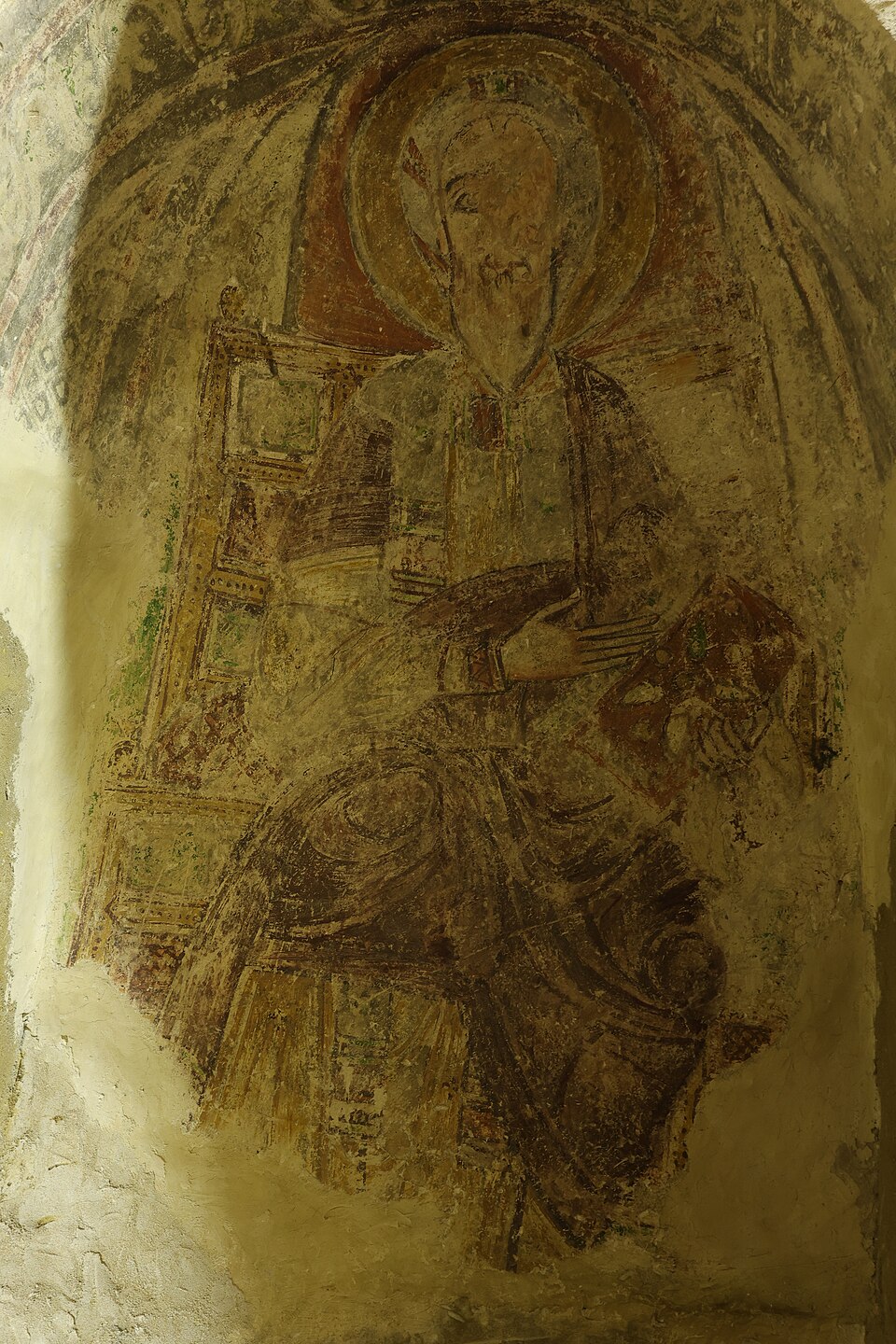
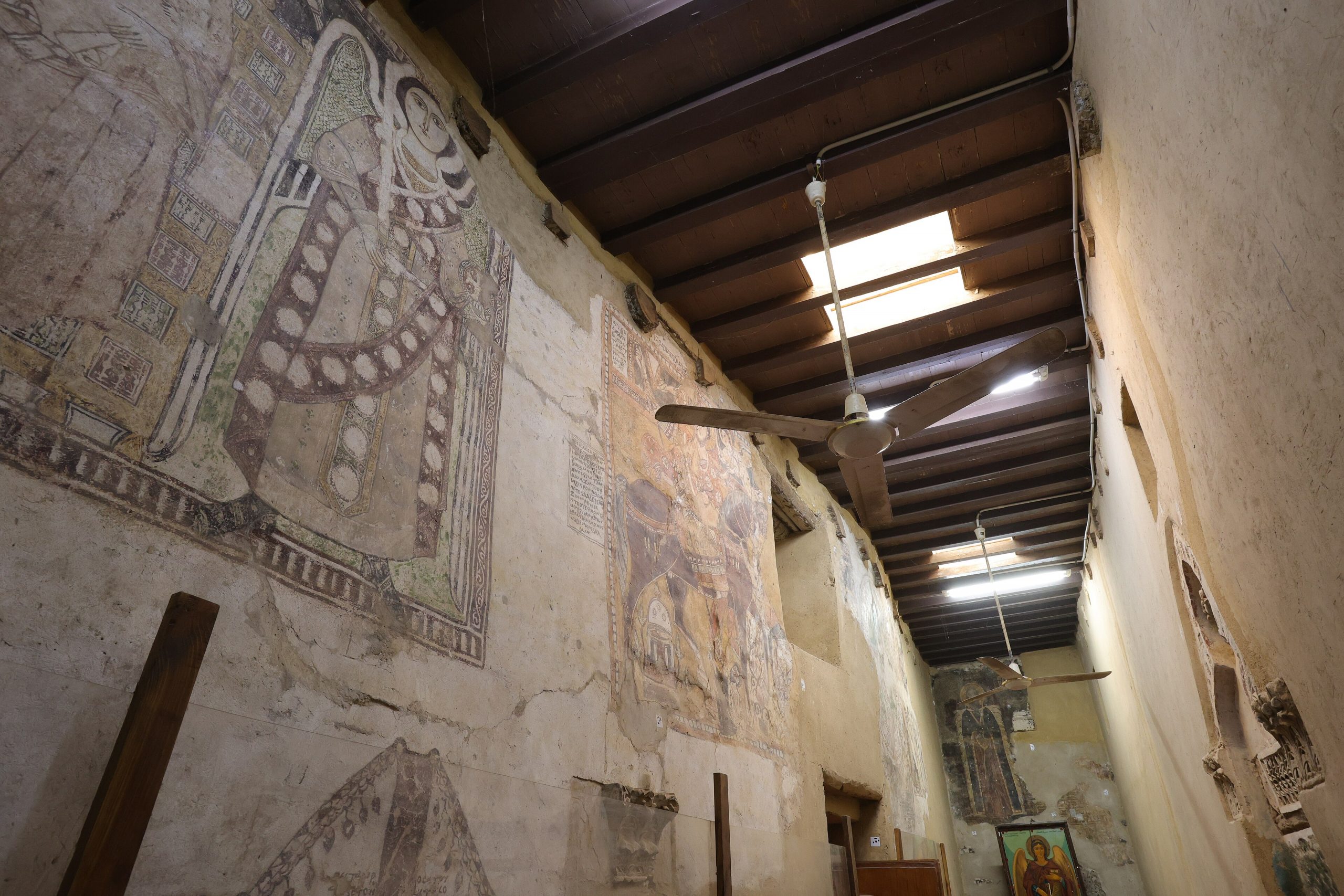
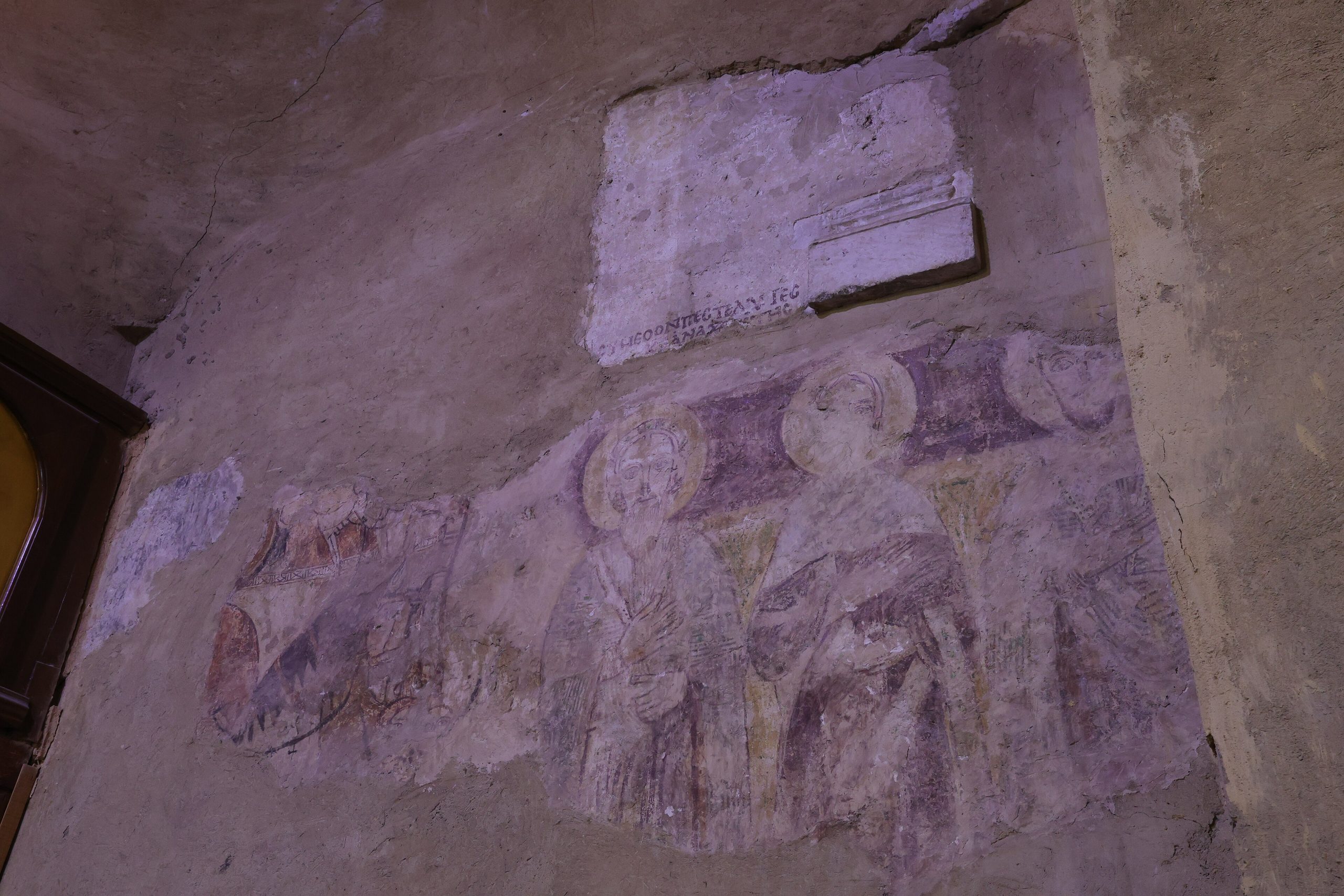
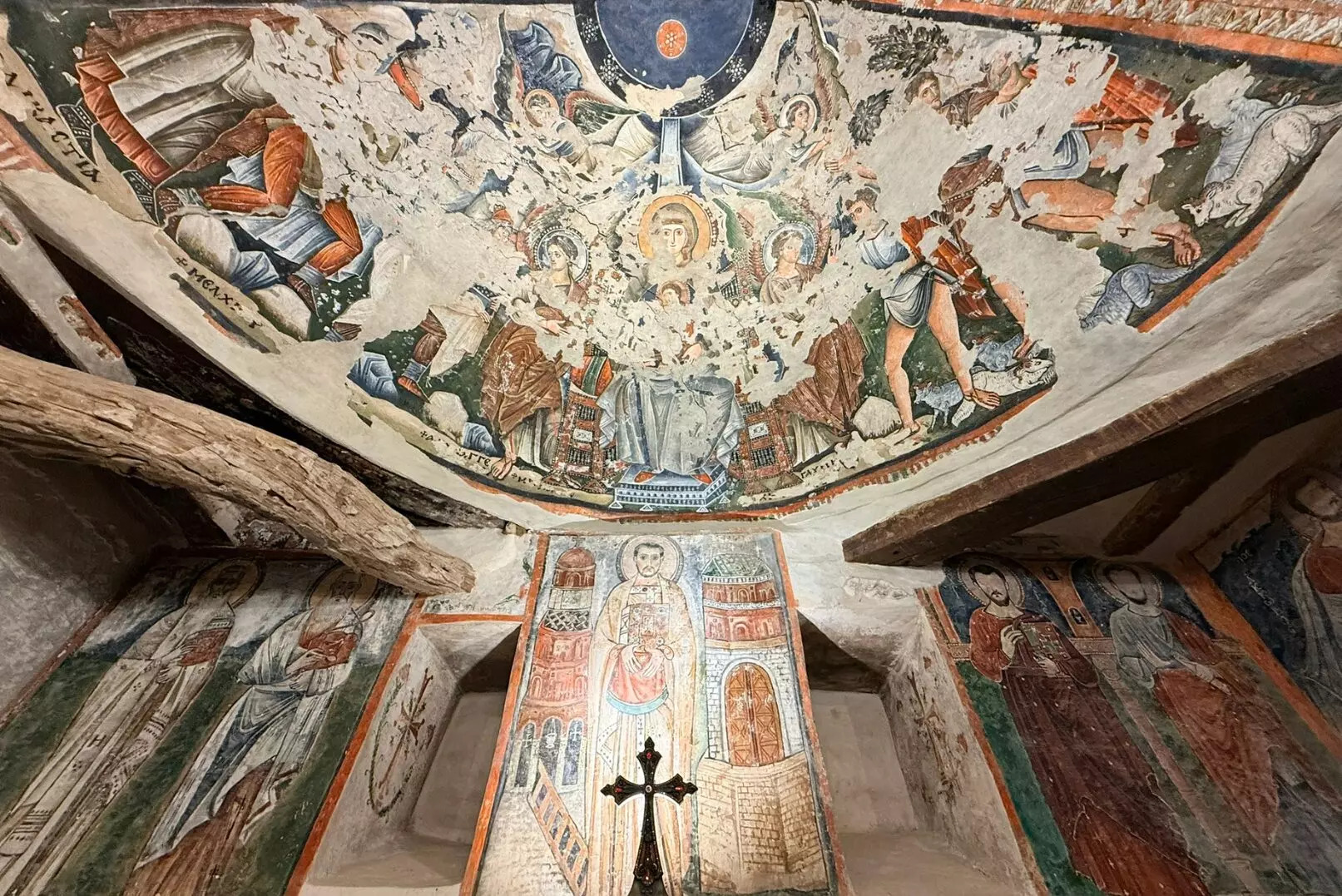
Within the Monastery is the Church of Saint Gabriel, which has three sanctuaries dedicated to the Archangel Gabriel, the Virgin Mary, and St. George. With its current structure dating back to the 12th century, the church is famous for its 10th- and 11th-century wall paintings, covered with plaster.
These paintings survived for centuries until they were rediscovered during the restoration process in 1991. These paintings are unique patterns of medieval Coptic art and are considered to be some of the oldest from the Fayoum area.
Violation(s)
Assault · Coerced Reconciliation
Location
Naqlun, Fayoum Governorate
Case Started
June 26, 2026
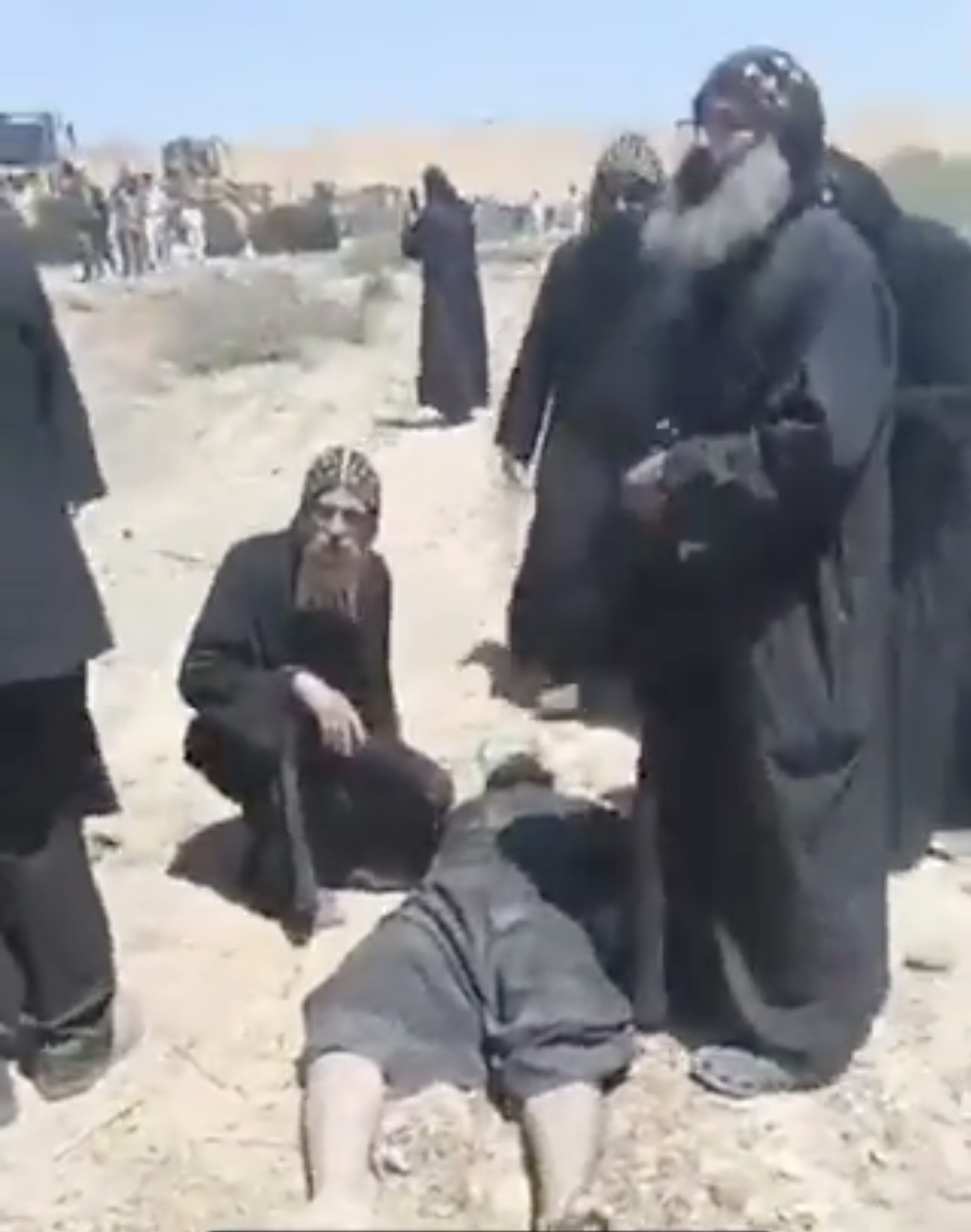
In a later incident in the same location, on June 26, as two monks were passing by the disputed land, “private security forces,” whom the local authorities had contracted to guard the land, shot one of the monks.
According to an official statement, the shooters were detained, and an investigation took place. Later reports indicate that the injured monk requested a full settlement, after which the prosecution dropped the charges. In a video shared on social media, the other monk who was present at the scene stated that authorities pressured him and the injured monk to settle and drop their charges.
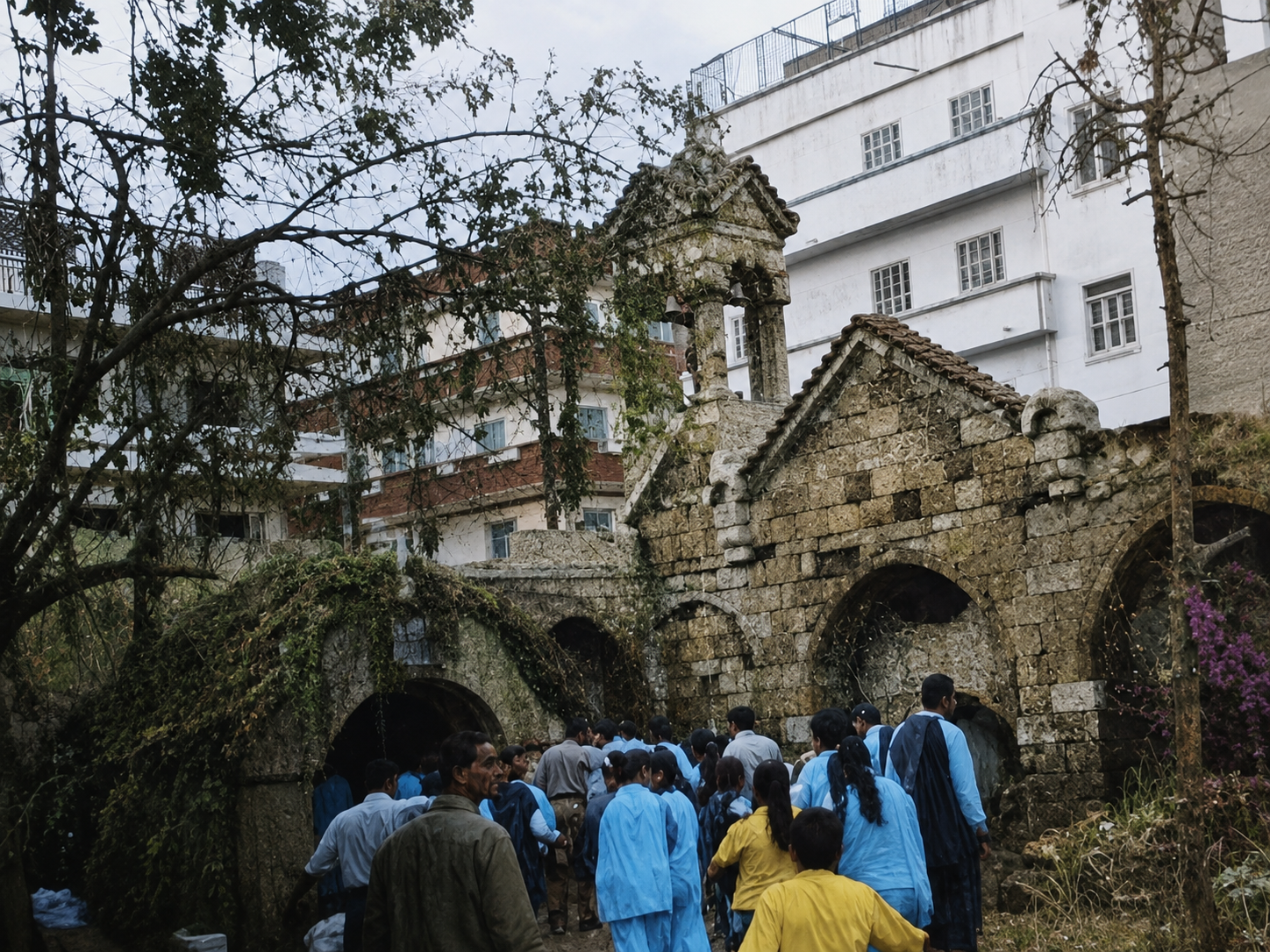
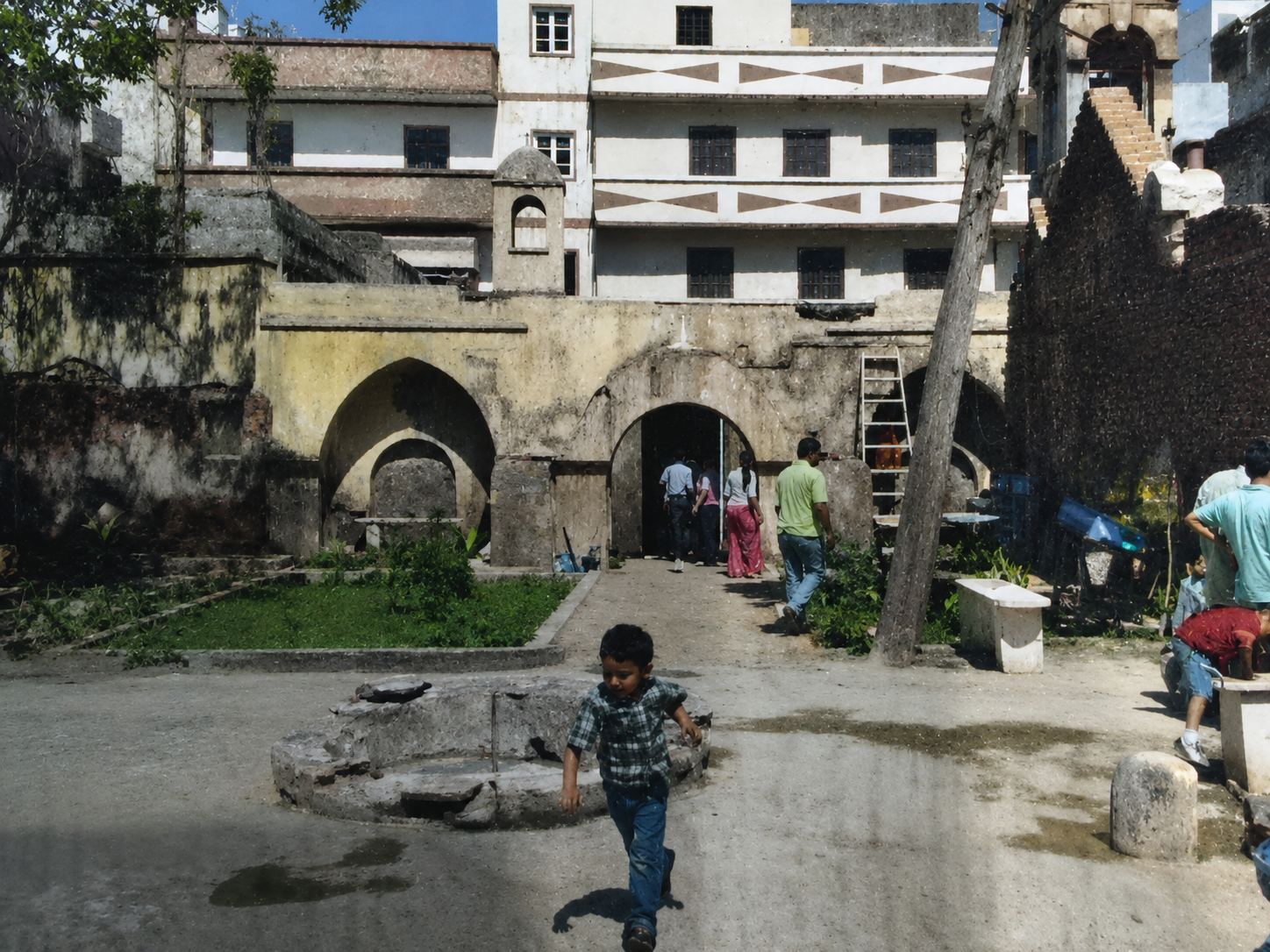
While the original church’s construction date remains contested, the Church of the Virgin Mary’s current buildings date back to 1817. Initially, the Greek Orthodox Church owned and operated the complex, which included 14 leased commercial units to fund its maintenance and ensure the continuity of its endowment status, until the late 20th century.
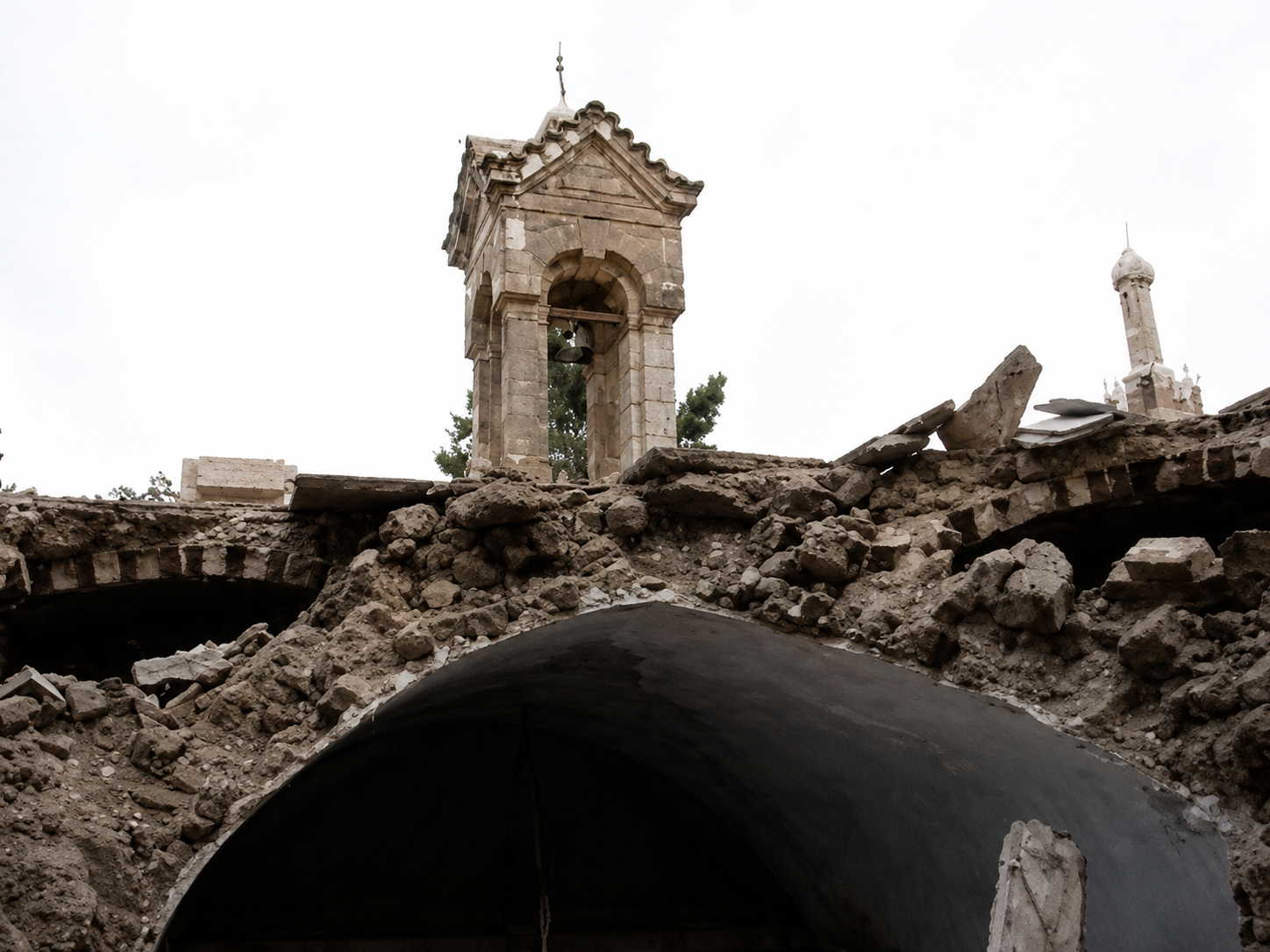
As the Greek population decreased in Rashid, the Greek Church transferred ownership to the Coptic Orthodox Church under Pope Shenouda III. Its surviving stonework, arched openings, domed roofline, and distinctive bell tower give the building a character unlike the surrounding cityscape.
Watani
Violation(s)
Demolition · Assault
Location
Rashid (Rosetta), Beheira Governorate
Case Started
August 31, 2025
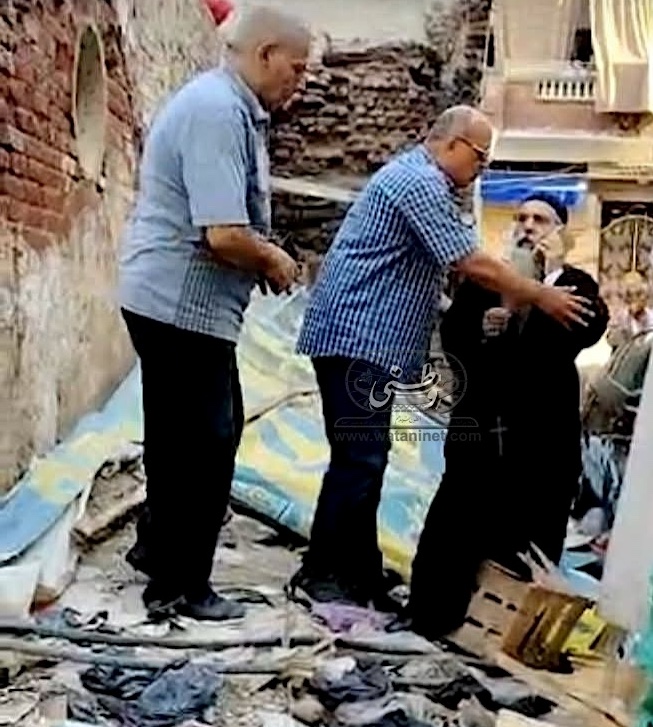
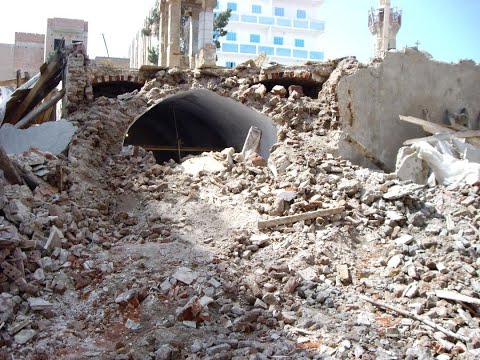
On August 31, authorities stopped non-state actors from demolishing the remaining towers and domes of the Church. During the process, the Church’s priest protested and attempted to document the violations when some perpetrators attacked him, and his phone was taken away.
The site has been the scene of an ownership dispute between a criminal court counselor and the Coptic Orthodox Church (CoC) since 2008, and the former has repeatedly brought bulldozers to demolish parts of the church. No reporting indicates that the dispute has been resolved.
For years, Christians in Tal al-Qibliya had no church in their village. Families traveled to surrounding villages for worship and gathered for regular prayers in one another’s homes. Eventually, residents began using a building among their own homes as a shared place of worship and Sunday school. As one resident puts it, the local Coptic community has long looked for “a place that embraces them.”
Tal al-Qibliya, Abu Qurqas district, Minya Governorate
Case Started
July 8, 2026
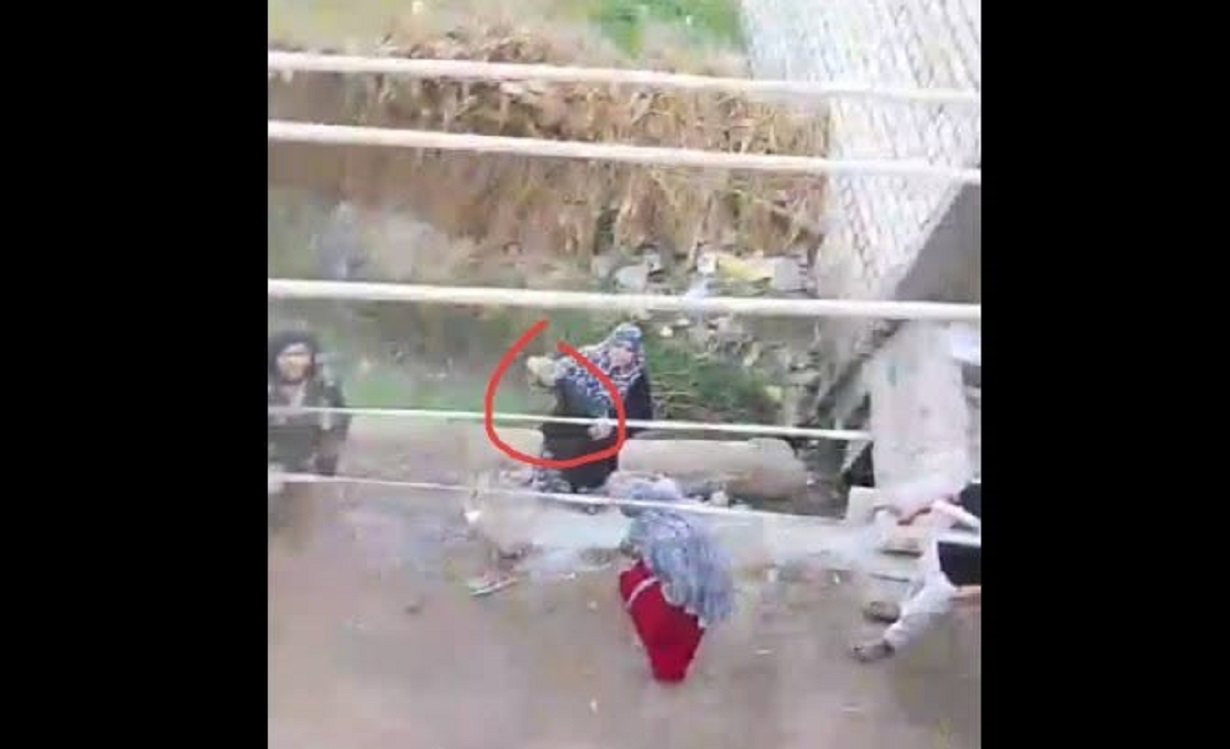
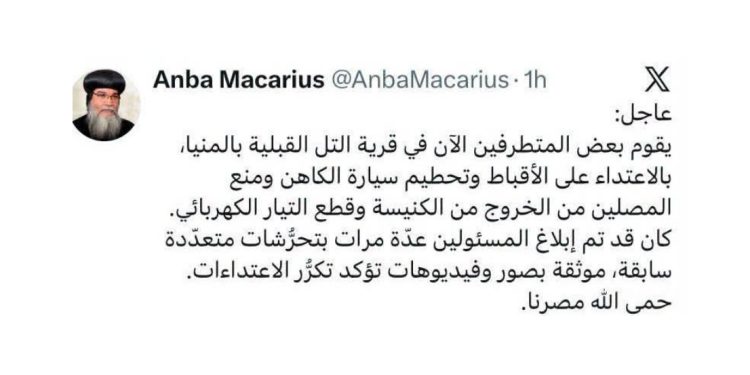
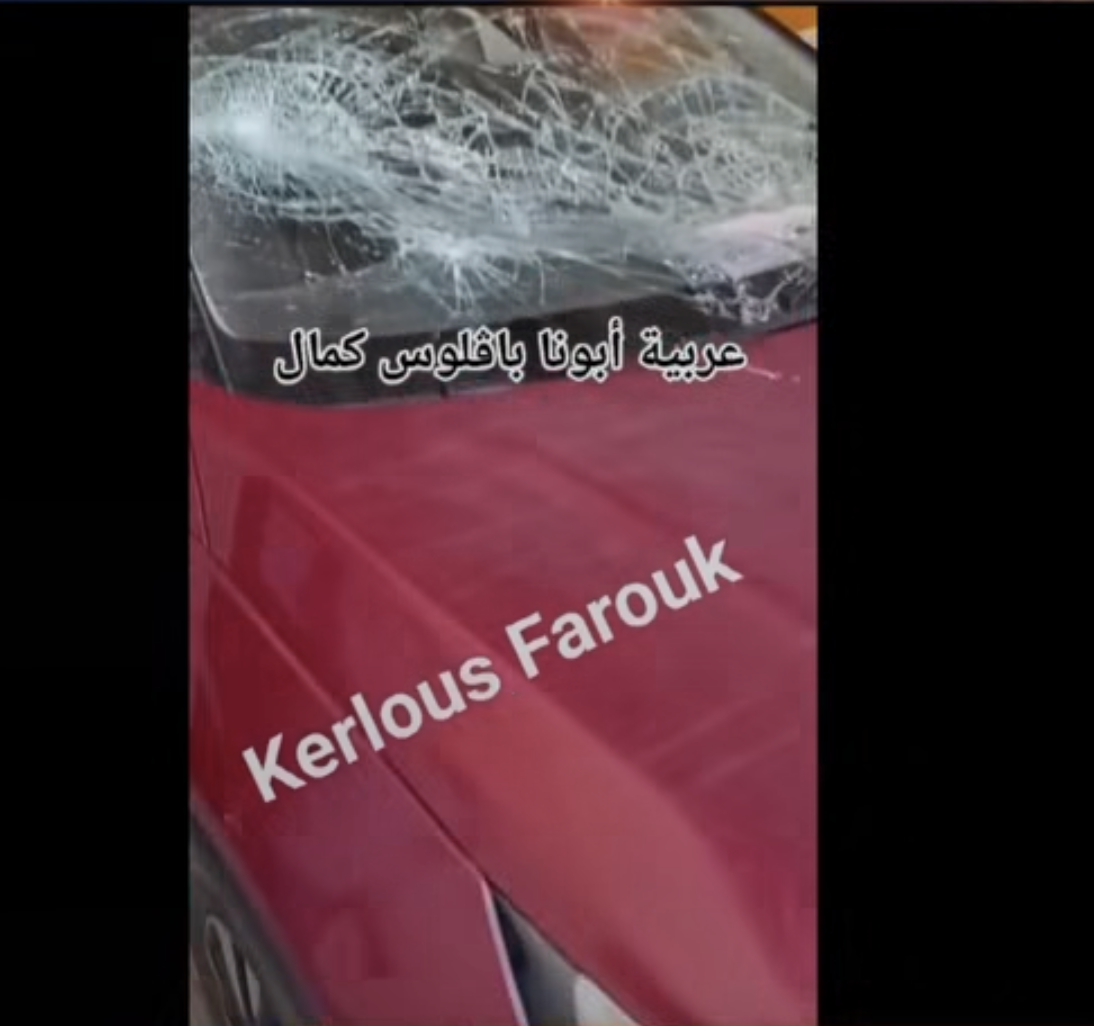
On July 8, assailants surrounded a church building and hurled stones at several homes owned by Copts in Tal al-Qibliya. During an altercation between a Christian resident and a local non-commissioned police officer, bystanders assaulted the resident and intervening family members, after which the wider violence took place. Following the Bishop of Minya’s public appeal, authorities brought the violence under control.
While a group of the attackers was arrested, forces also detained four Christian residents, including the initially assaulted resident and another who was recording the events on his phone. The four Christian detainees were released the following day, but, according to the Bishop’s July 9 statement, the plaintiffs were coerced into entering a reconciliation session and had to drop the charges to get released.
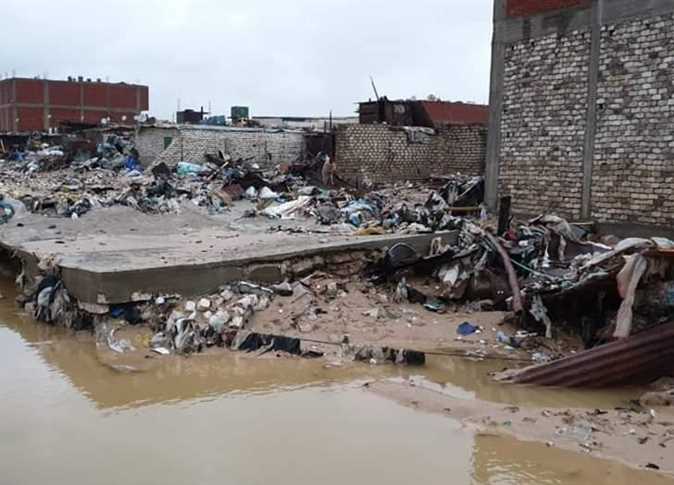
After devastating floods struck the Zarayeb area in 2020, families were eventually relocated to the new al-Zohour residential district.
Among the needs that followed the displaced Coptic community was a place to worship and gather. Plans for the new church site, which the government initially permitted, included a communal space that includes a place of worship, a nursery, a clinic, and a space for youths. The site represented an effort to rebuild communal life for the displaced community.
al-Zohour, 15th of May City, Helwan, Cairo Governorate
Case Started
February 3, 2026
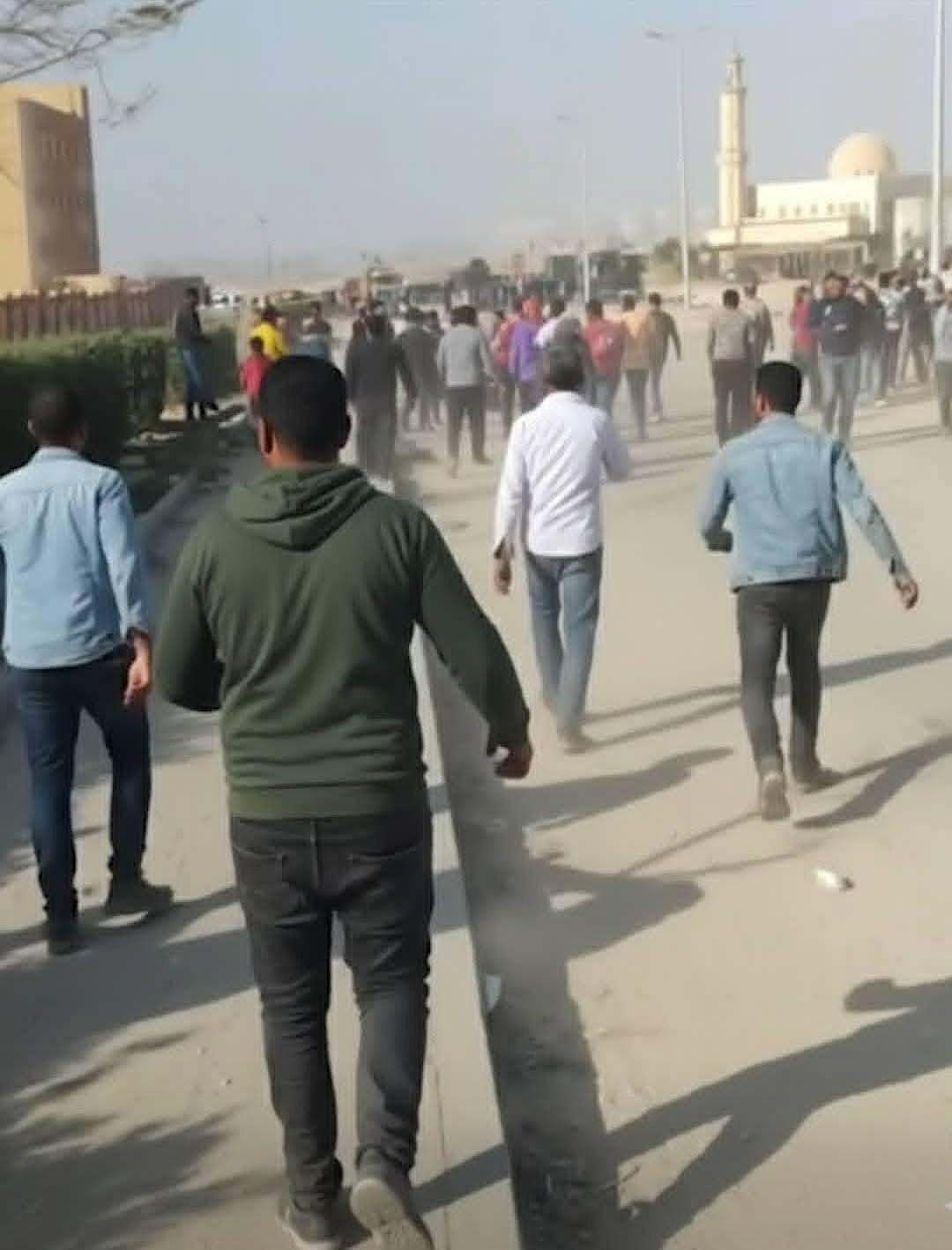
On February 3, tens of Copts were peacefully protesting as authorities were demolishing a wall adjacent to a previously licensed church construction site with no prior notice in al-Zohour. During the protests, security forces completed the demolition, used tear gas, as well as verbal abuse and beat protesters, and initially detained about 58 men, women, and children, including the church’s priest.
While 39 individuals were released without charges, 13 men and 5 women were charged with resisting authorities and unlawful gathering, and they were briefly held in pretrial detention. Their court hearing was scheduled for March 12. The Egyptian Initiative for Personal Rights reported that all 18 defendants were acquitted.
Monastery of the Archangel Gabriel at Naqlun in the Fayoum landscape
View of the Monastery of the Archangel Gabriel at Naqlun
Watani
Watani
Historic wall painting at Naqlun
Interior detail of the Church of Saint Gabriel at Naqlun
Medieval Coptic art at Naqlun
Historic Church of the Virgin Mary in Rashid
Historic photograph of the Church of the Virgin Mary in Rashid
View of the historic Church of the Virgin Mary in Rashid
Watani
Documentary photograph related to the Church of the Virgin Mary in Rashid
Church construction site in Tal al-Qibliya, Minya
Incident photograph from Tal al-Qibliya
Incident photograph from Tal al-Qibliya
Incident image from Tal al-Qibliya
Church wall construction site in al-Zohour, 15th of May City
Demolition and protest at the al-Zohour church construction site
Incident photograph from al-Zohour, 15th of May City
Saint CatherineSouth Sinai Governorate
Administrative map adapted from NordNordWest / Wikimedia Commons · CC BY-SA 3.0 DE
Cultural Engineering
Cultural engineering refers to the legal and administrative interference and redesign of Coptic and Christian heritage in measures that weaken Coptic autonomy and participation in their living religious spaces. Unlike cultural destruction, this pattern does not always involve immediate physical damage, but rather operates through state agencies, ranging from localities to the Ministry of Tourism and Antiquities, that insidiously transfer physical and administrative control over Coptic and Christian heritage from affected religious communities to the state.
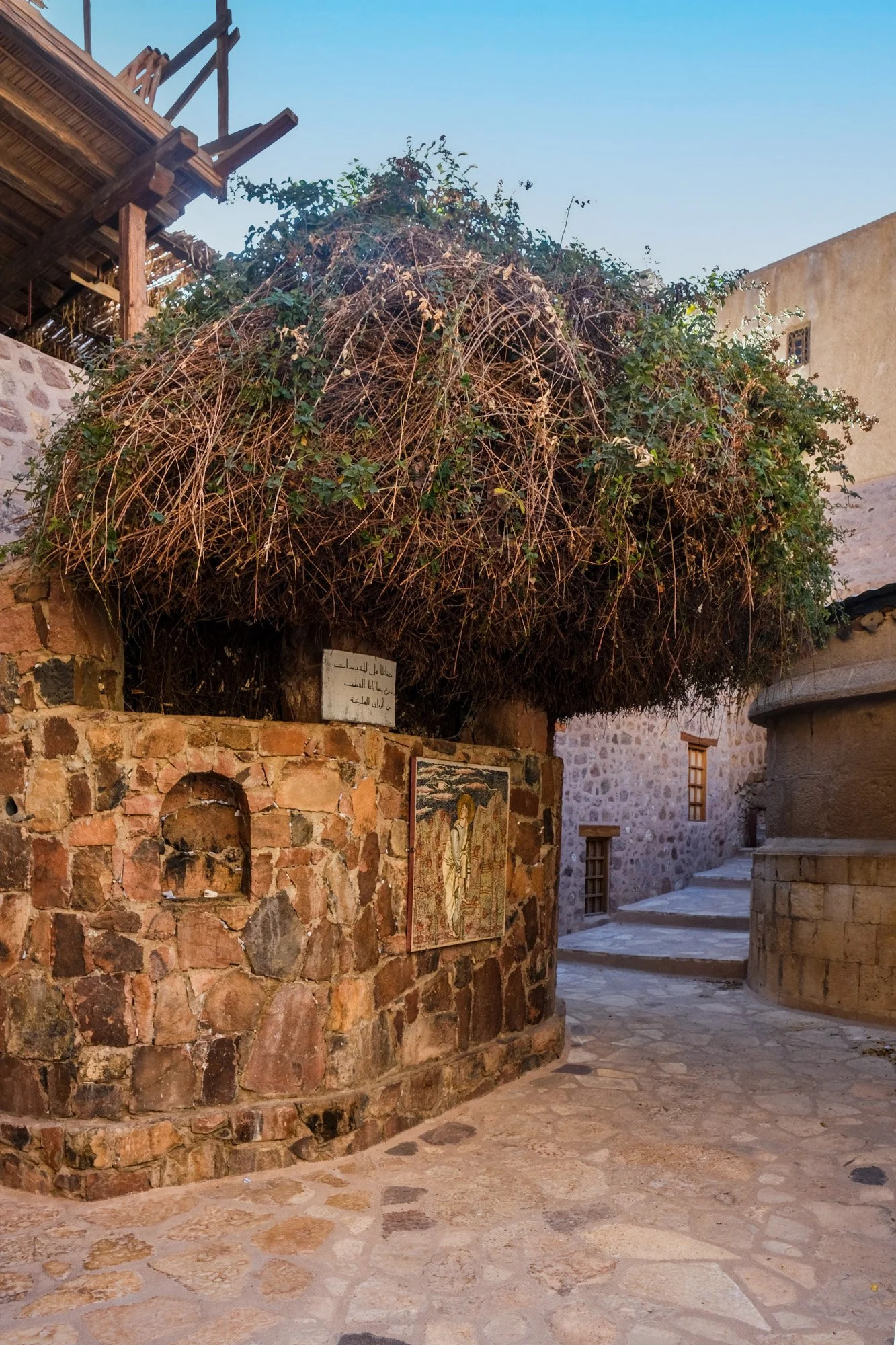
Monastery of Saint Catherine of the Holy and God-Trodden Mount Sinai
Saint Catherine · South Sinai Governorate
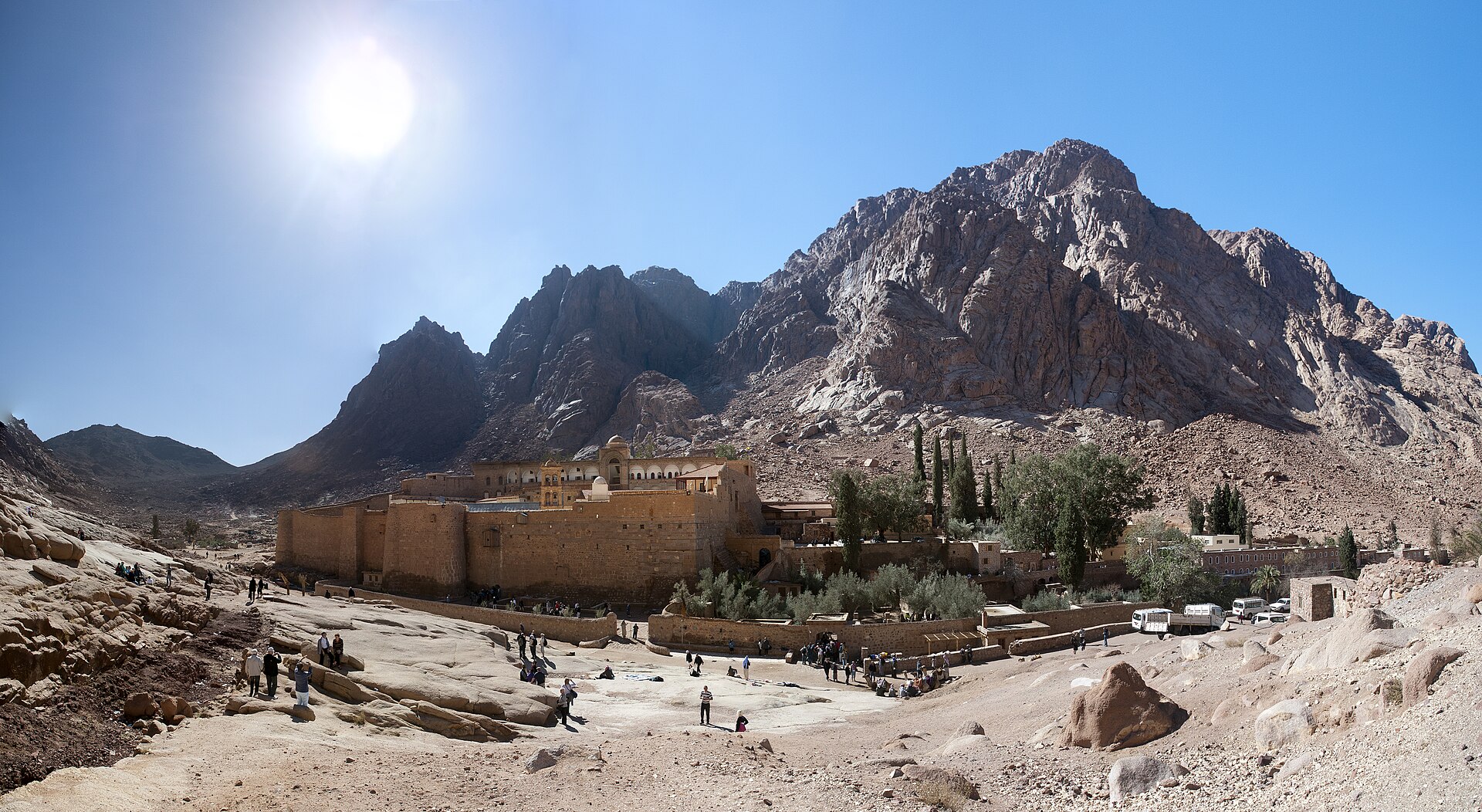
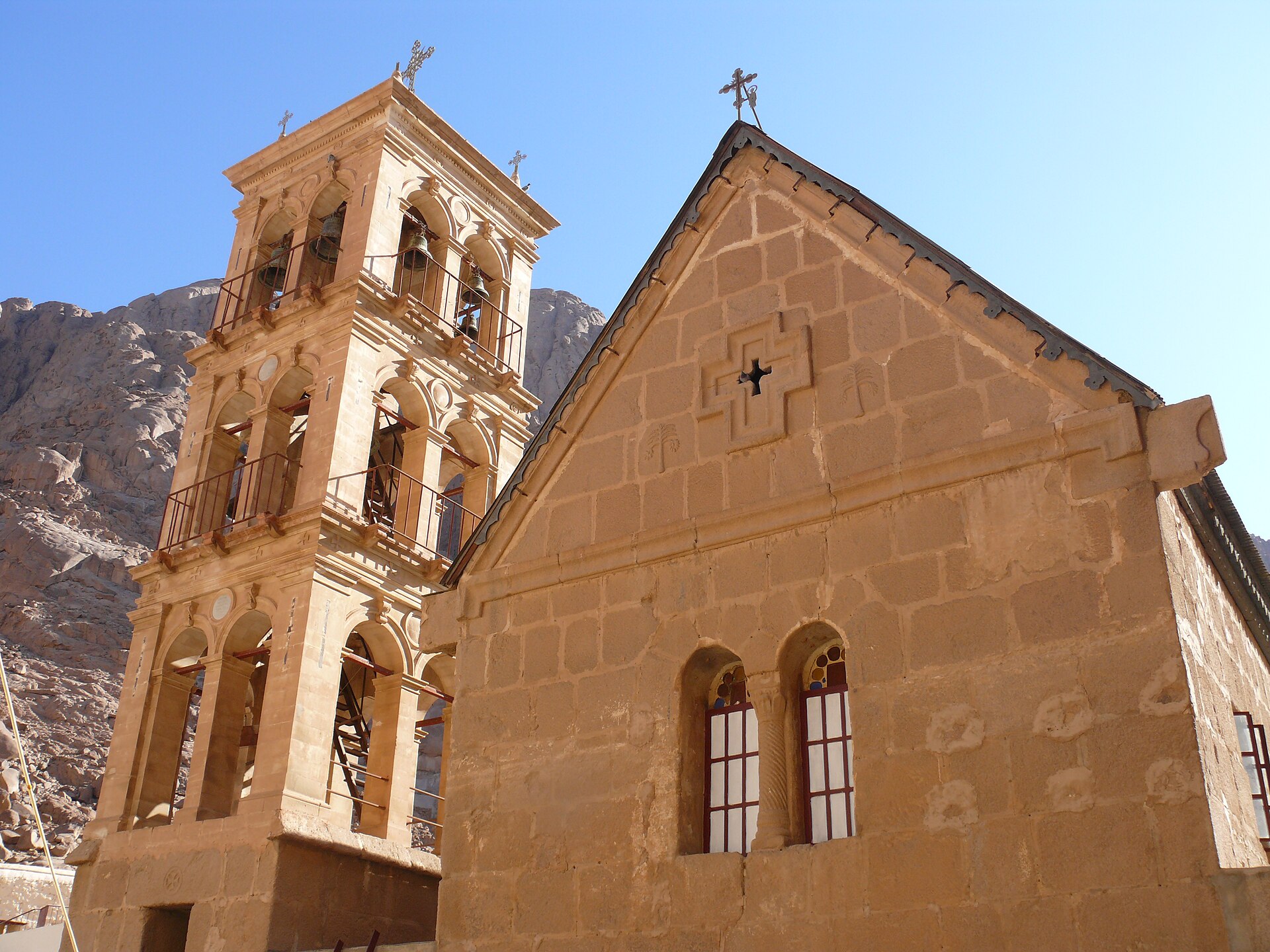
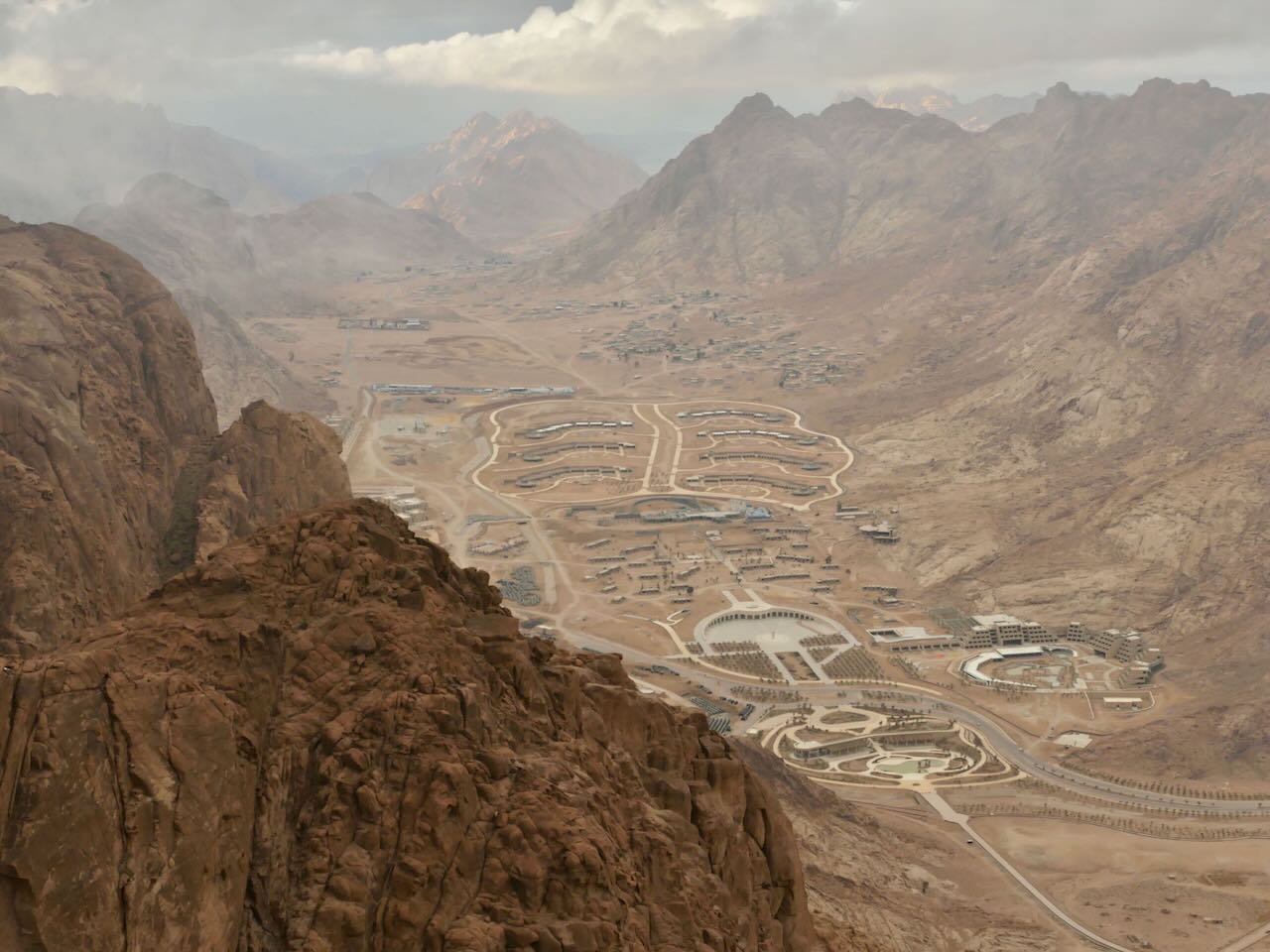
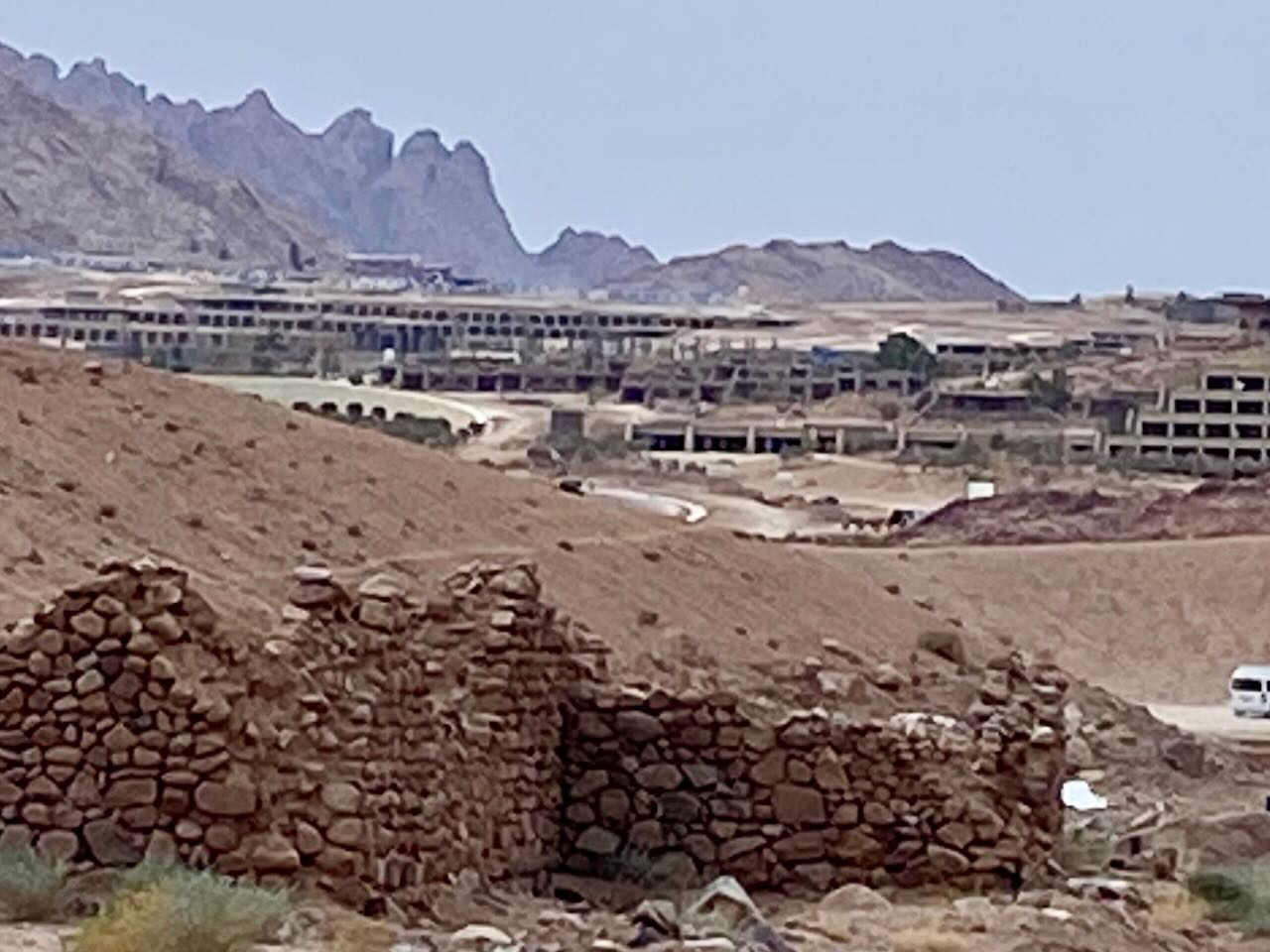
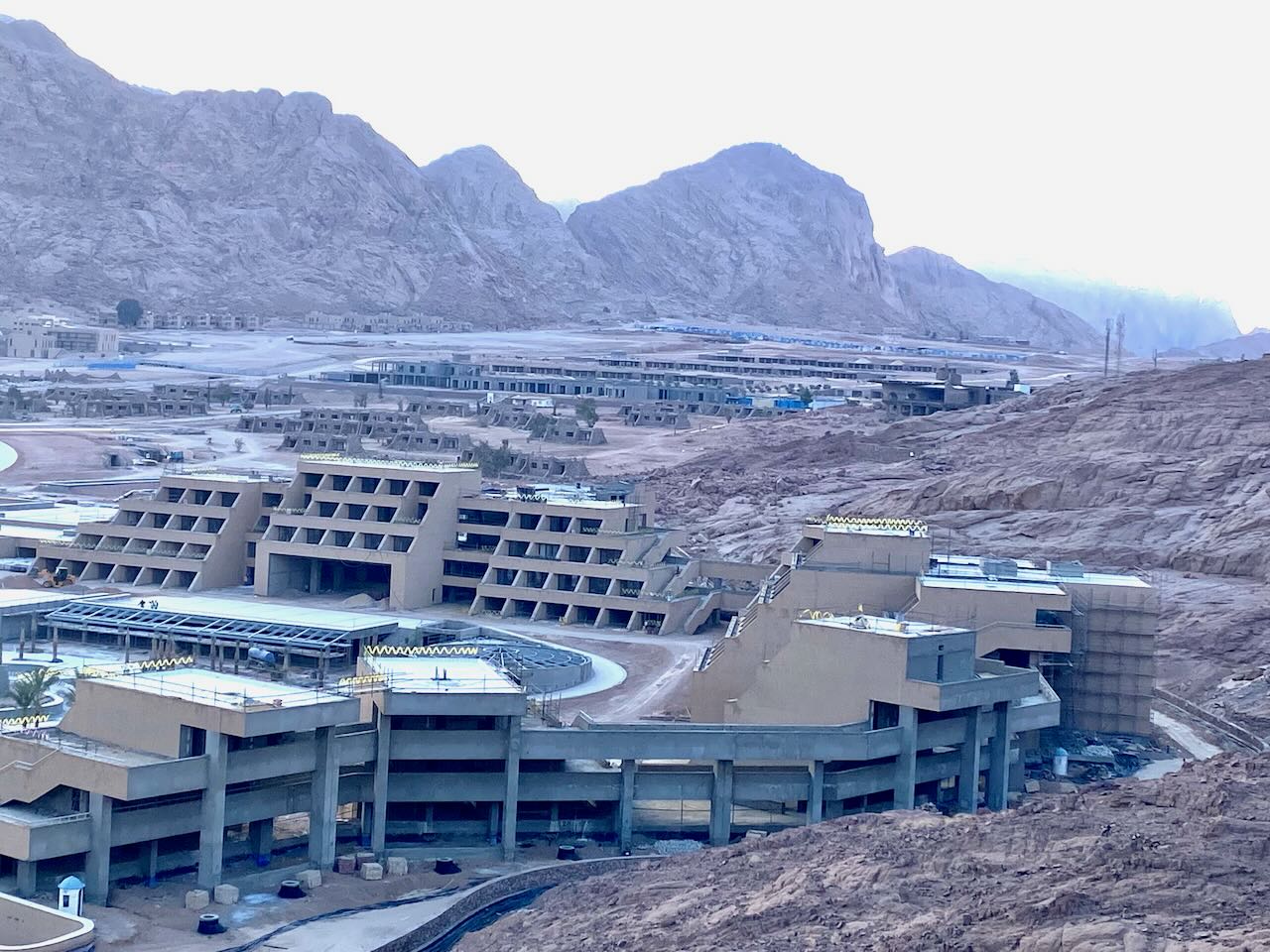
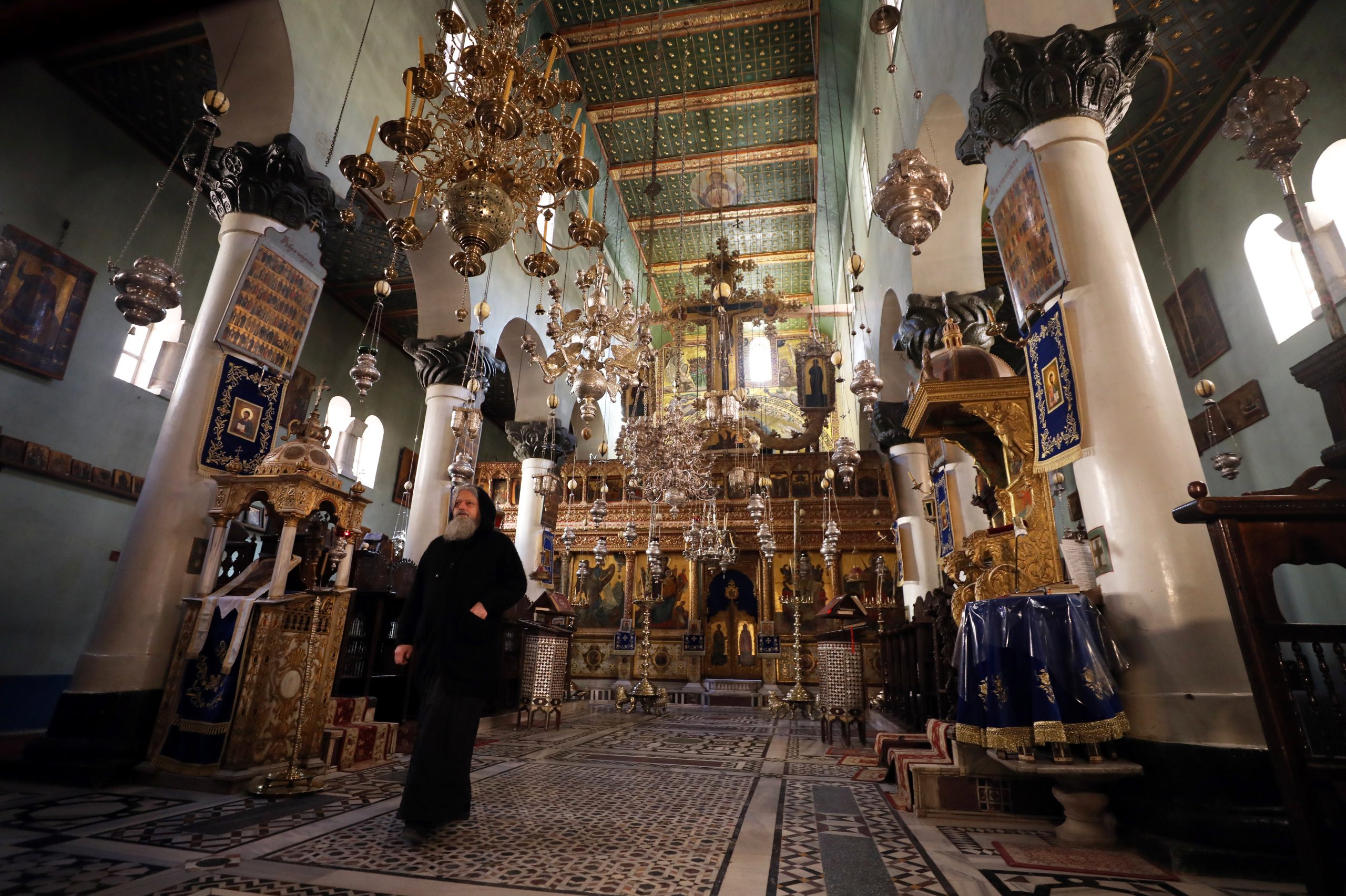
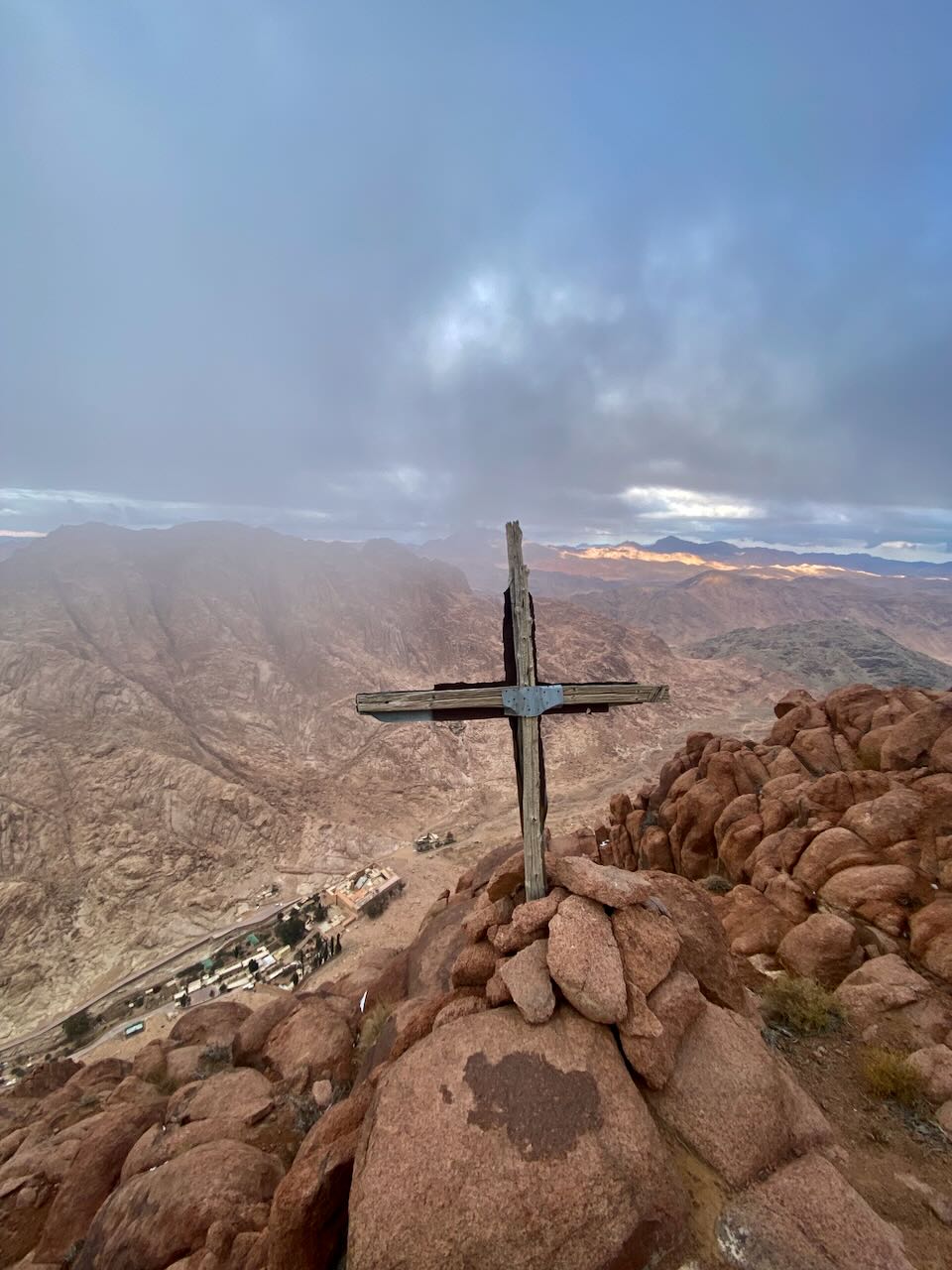
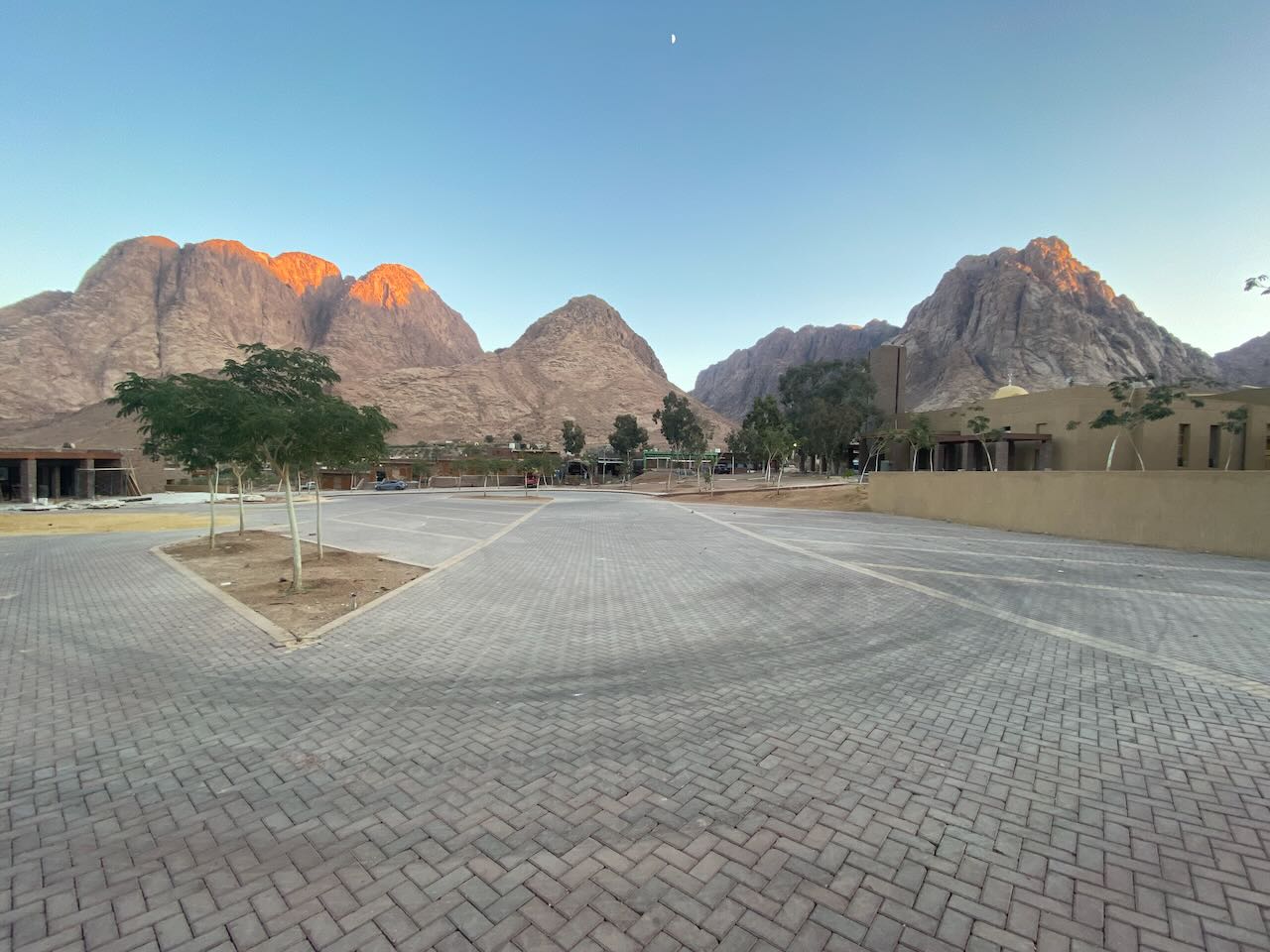
Built in the sixth century under Byzantine Emperor Justinian I, Saint Catherine’s Monastery is the oldest continuous Christian monastery. At the foot of Mount Sinai, the fortified monastery has preserved a 1,500-year monastic tradition that surrounds, according to biblical tradition, the site where the Prophet Moses saw the Burning Bush. Sacred to Christianity, Judaism, and Islam, the monastery and its unique surrounding landscape were inscribed as a UNESCO World Heritage Site in 2002.
On May 28, the Court of Appeals of Ismailia issued a ruling on an appeal, where the Archbishop of Sinai and head of Saint Catherine’s Monastery was stripped of ownership rights to 71 plots of land, expelled from some of them, and fined 10 million LE. While the Court asserted state ownership over most of the disputed land plots, it coined a new category for ownership, “religious ownership,” which gives the Archbishop a symbolic custodianship over the remaining plots.
Continue at Saint Catherine · Beat 2
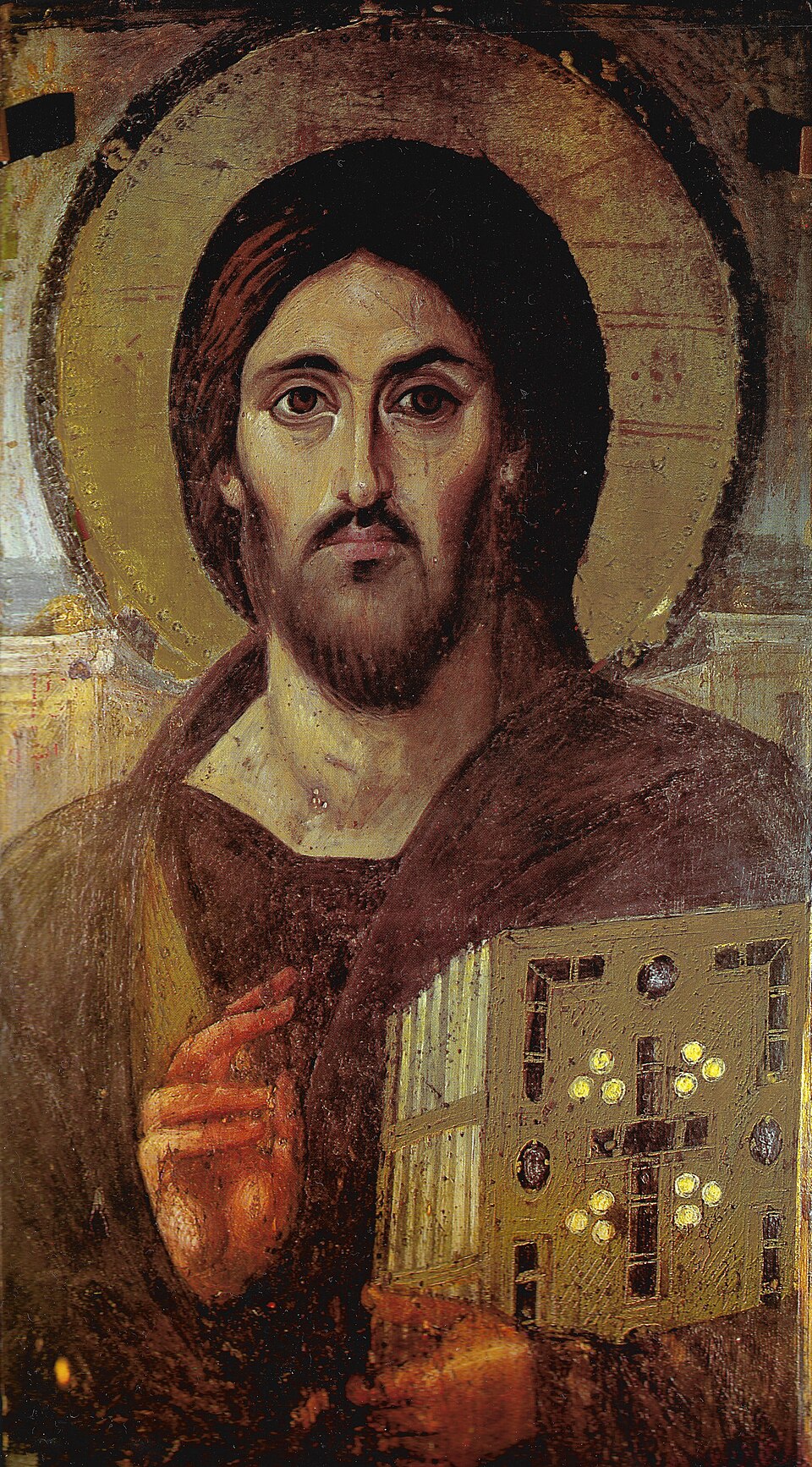
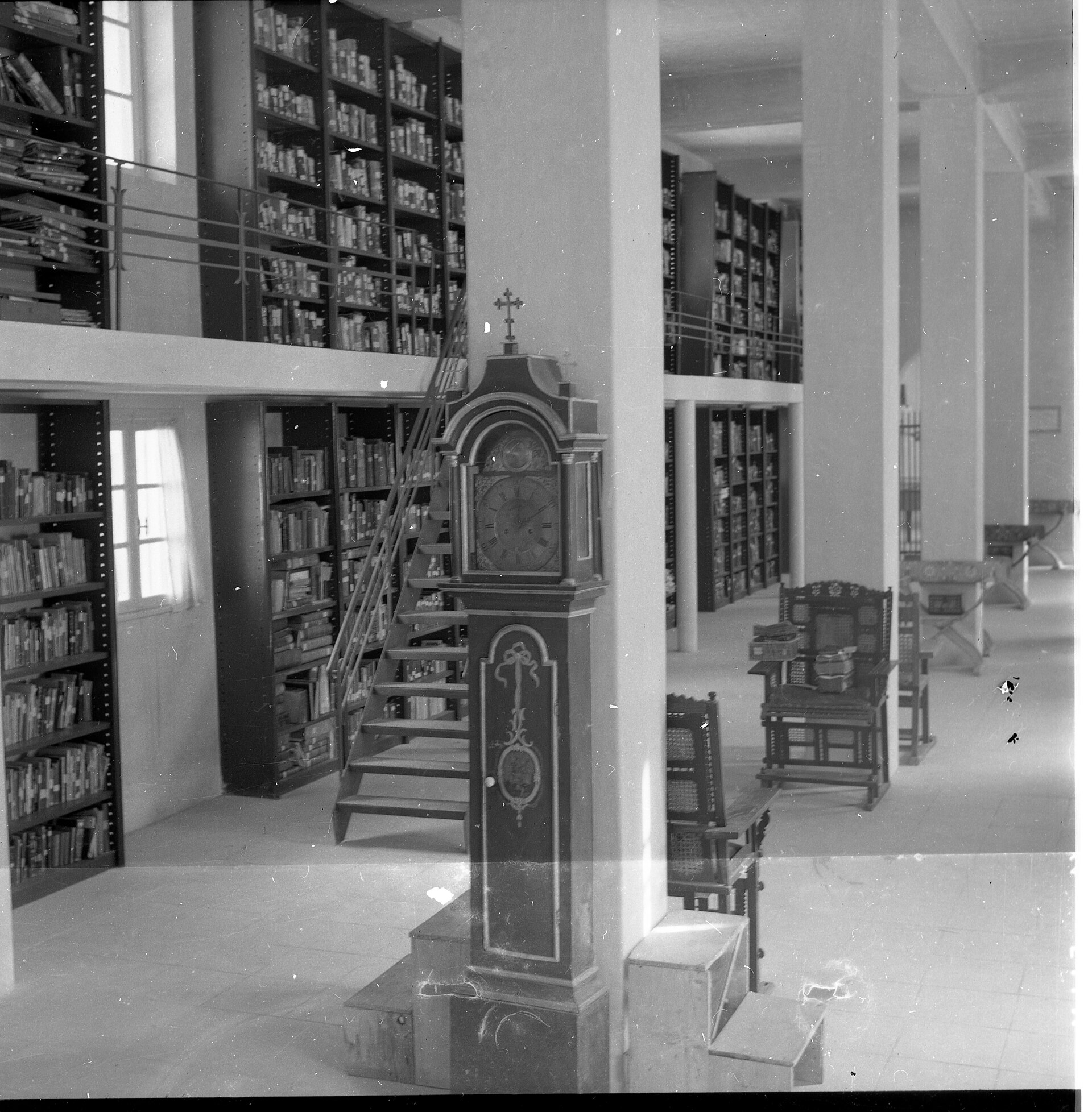
The Monastery houses an extraordinary archive of the early Christian world: the second-largest collection of early codices and manuscripts, second only to the Vatican Library. Its collections include rare manuscripts and some of the earliest surviving Byzantine icons, including sixth- and seventh-century works. Notably, the Monastery’s library had historically included the Codex Sinaiticus, a 4-th century biblical manuscript, and the oldest surviving icon of Christ, the mid-6th-century “Christ Pantocrator.”
World Heritage WatchWorld Heritage Watch
The 2025 decision comes after an original 2015 lawsuit, initiated by the South Sinai Governorate and the St. Catherine Municipality, was ruled on on May 30, 2020, which required the Archbishop to hand over 29 plots, deeming them state property, while the government’s request over the 42 other plots was rejected as their exact locations were not initially specified. After the initial decision, both parties appealed the decision, and the plaintiff was joined by the Ministry of Antiquities and the chairperson of the Environmental Affairs Agency.
Continue at Saint Catherine · Beat 3
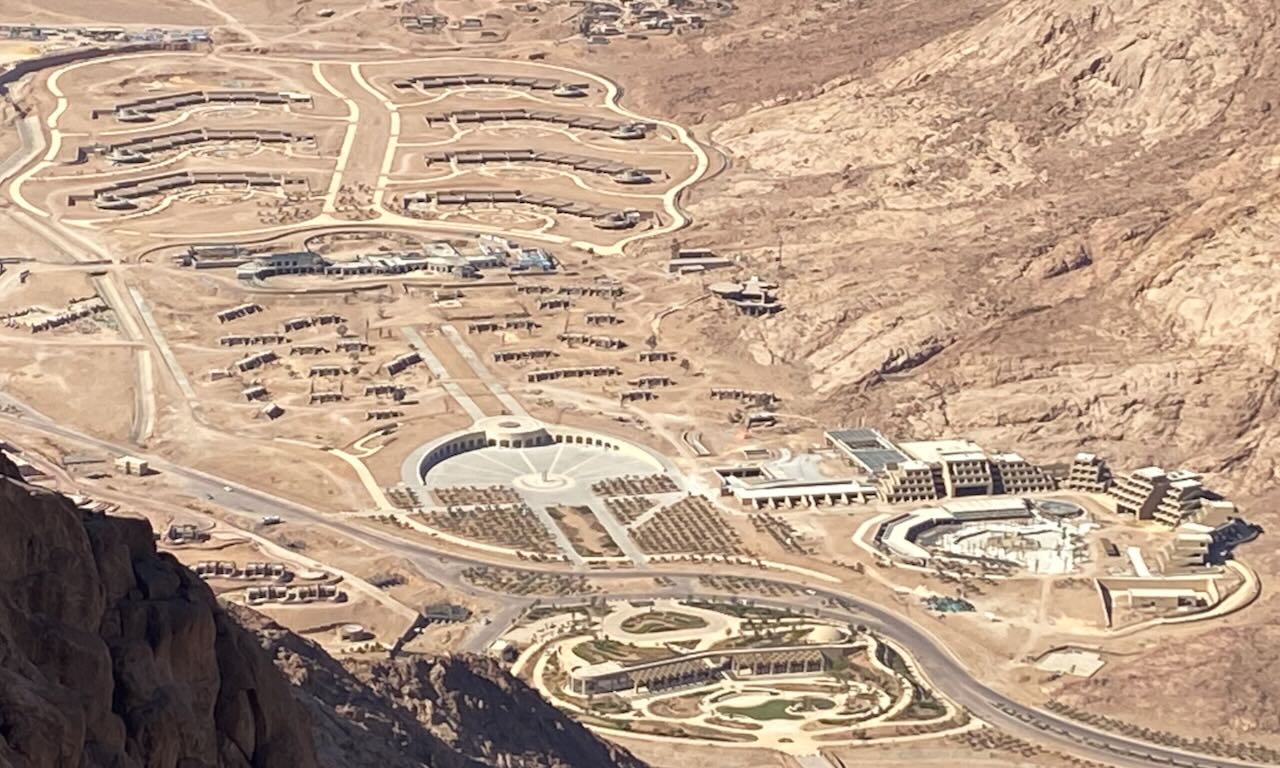
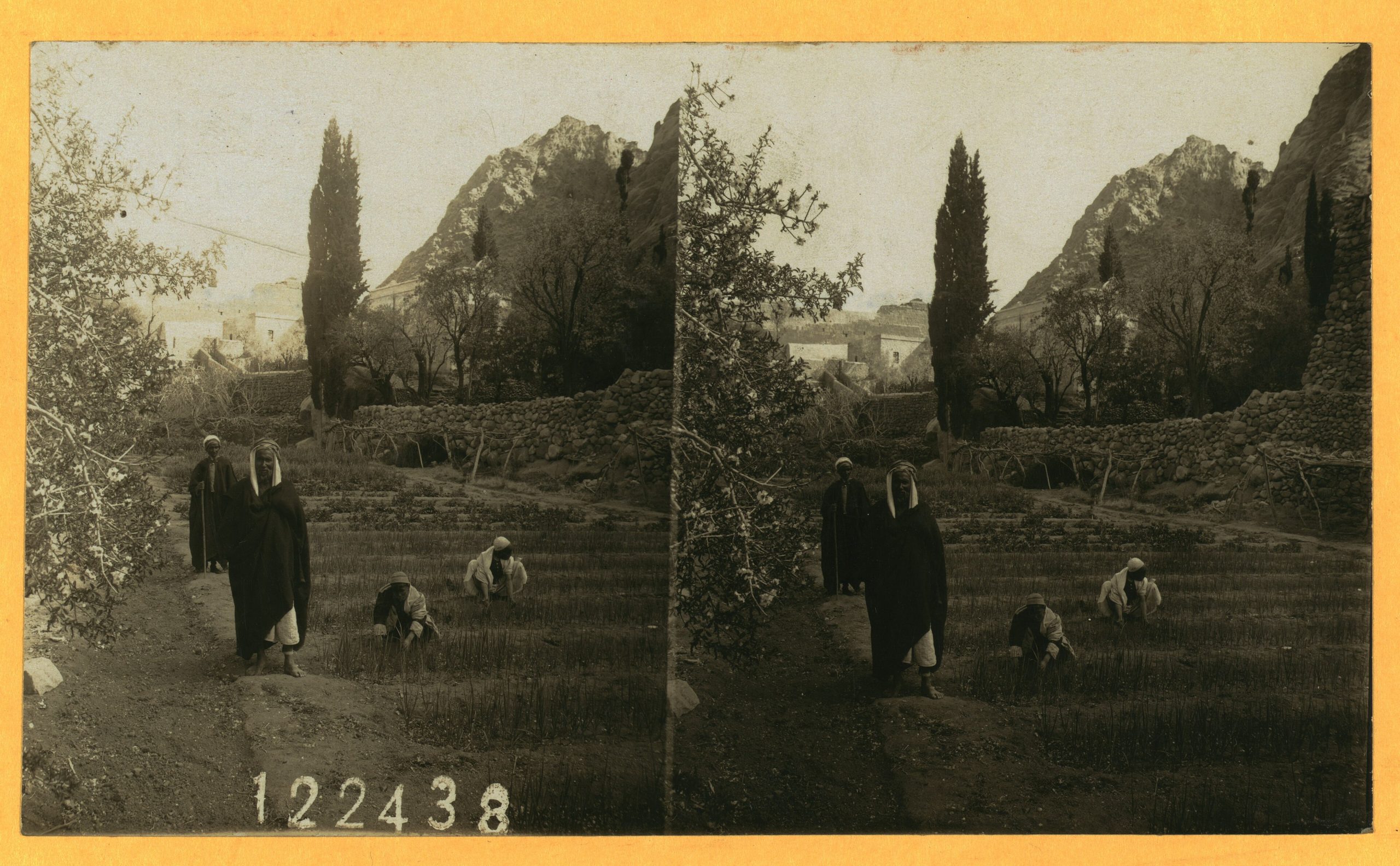
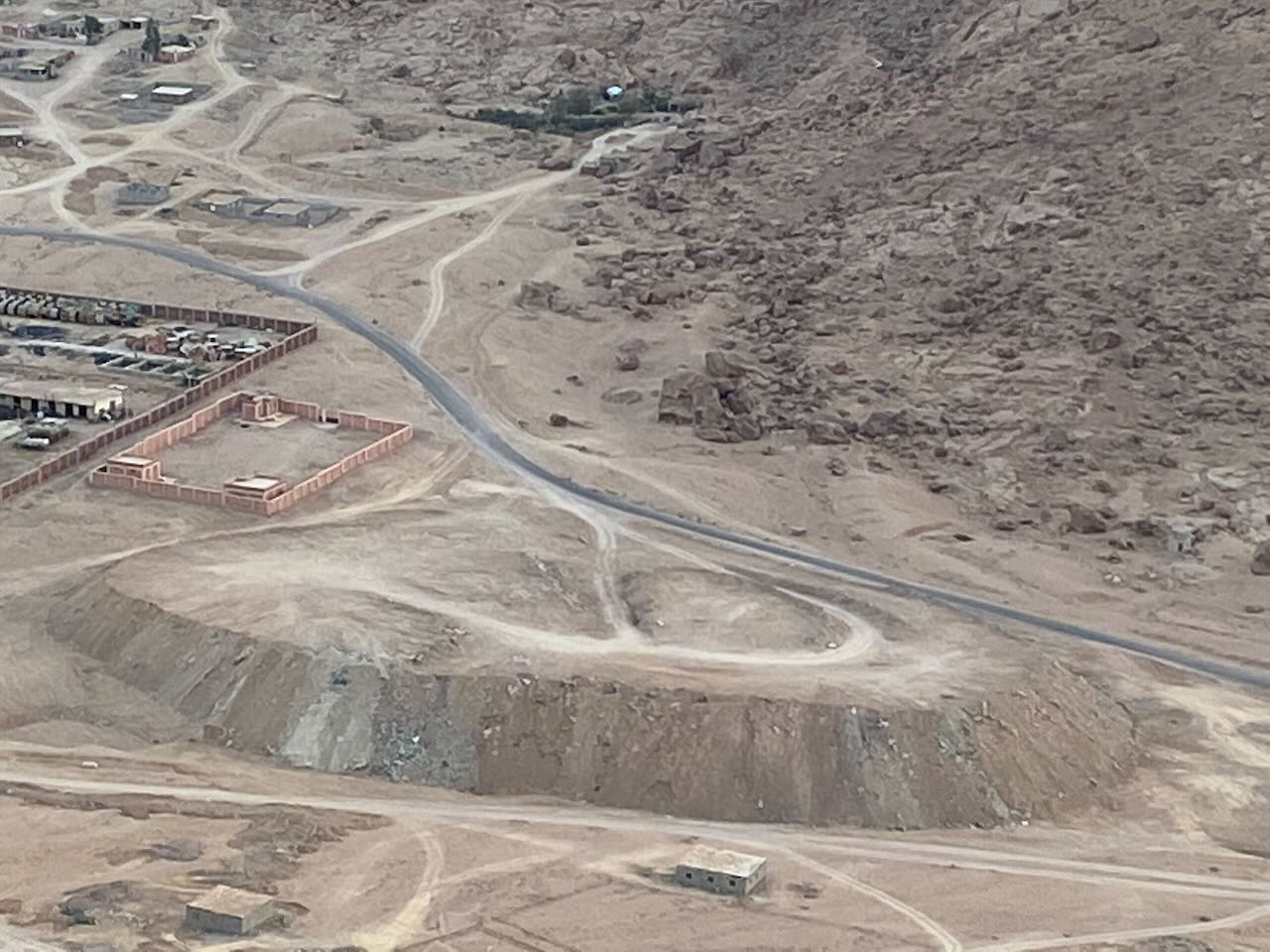
The Monastery’s monastic community has maintained numerous communal and religious sites outside of the fortified area. For centuries, the monks maintained terraced gardens and orchards, hermitages and chapels, pilgrimage paths, and historic cemeteries. The Egyptian World Heritage nomination of the Monastery acknowledged the Monastery’s custodianship of surrounding lands and properties as parts of one integrated and inseparable space.
World Heritage WatchWorld Heritage Watch
Most recently, the Monastery has reportedly been pressured to accept a proposed settlement recognizing Egyptian state ownership of its historic property while receiving only undefined rights of use. At the same time, the Abbot still lacks the presidential recognition necessary to fully exercise his civil authority, while questions surrounding the Monastery’s legal personality continue to impair its ability to administer its affairs.
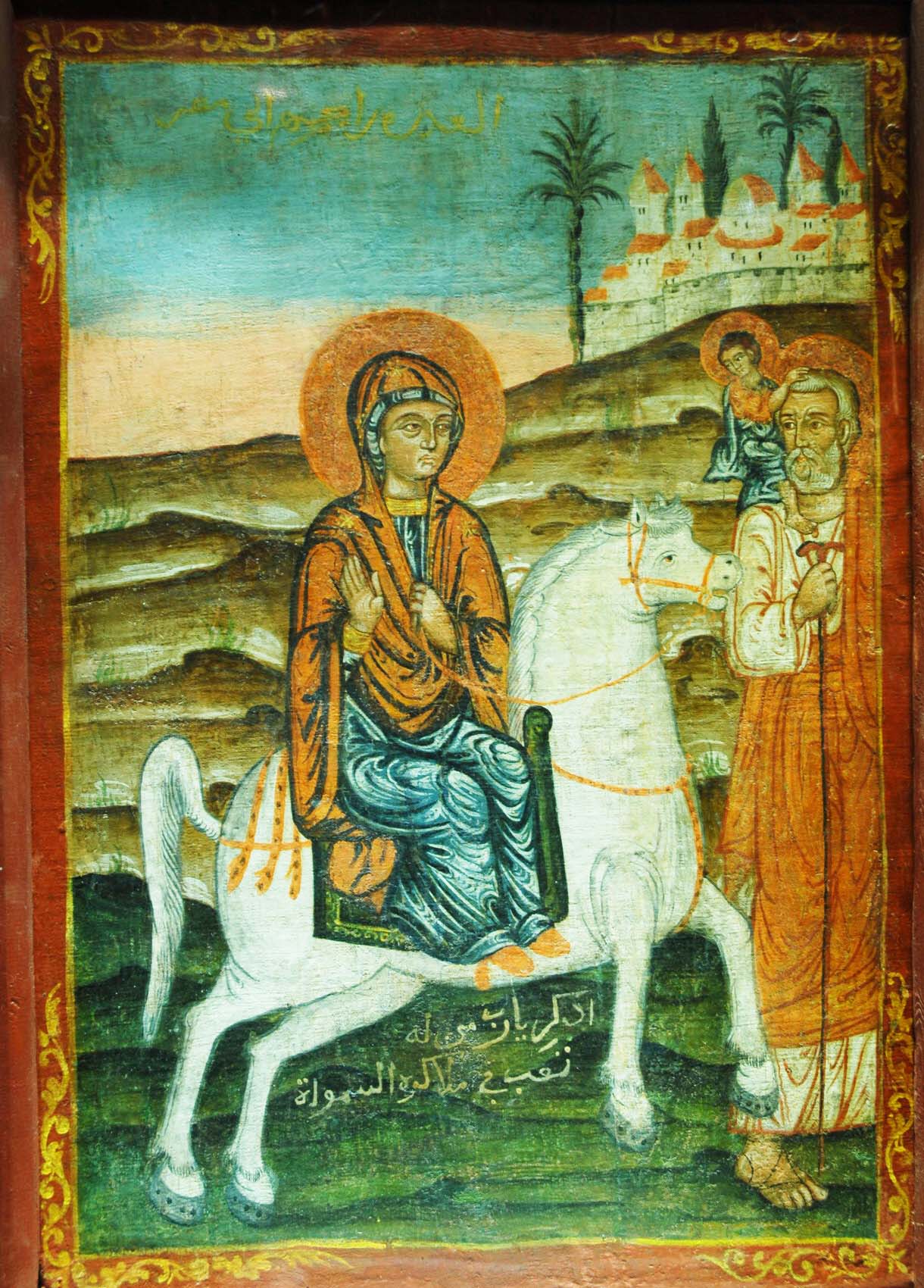
The Holy Family Trail is a 3,500 km route across Egypt that marks the biblical tradition of Jesus, the Virgin Mary, and Joseph’s flight to Egypt. Across 16 centuries, Coptic tradition preserved the places and sites associated with the Family’s journey through the country. Today, this route connects 25 principal sites stretching from Sinai and the Nile Delta through Cairo to Assiut. Together, these living spaces form a sacred geographical history embedded in Coptic history and religious memory.
Youm7
Violation(s)
Discriminatory Legal Action · Appropriation
Location
25+ sites across Egypt
Case Started
May 4, 2026
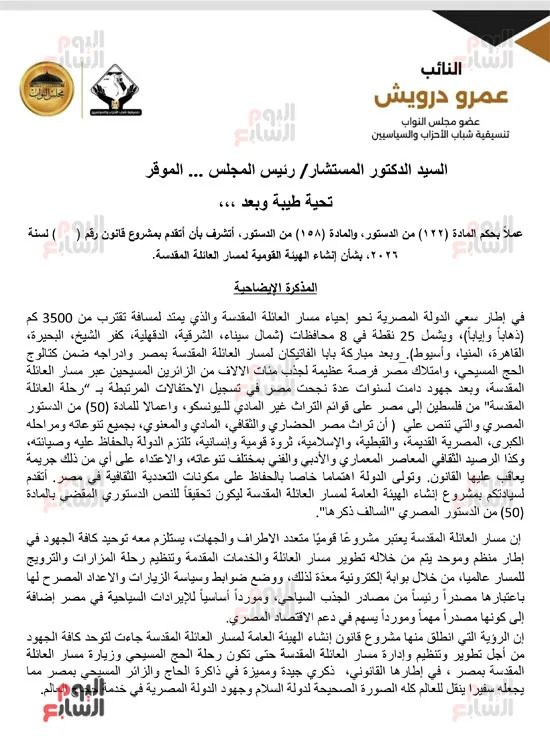
On May 4, the Speaker of the House (Egypt) referred a bill introduced by MP Amr Darwish and 60 other members to a joint parliamentary committee. The proposal would create the General Authority for the Holy Family Trail, a public economic authority under the Prime Minister responsible for managing, developing, and investing in the Trail. The Coptic Orthodox Church later stated that the proposal has neither been formally presented to it nor approved by the Church. If passed, the legislation would effectively transfer the administrative control of tens of churches, monasteries, and communal spaces to the state.
Follow the route · Beat 2
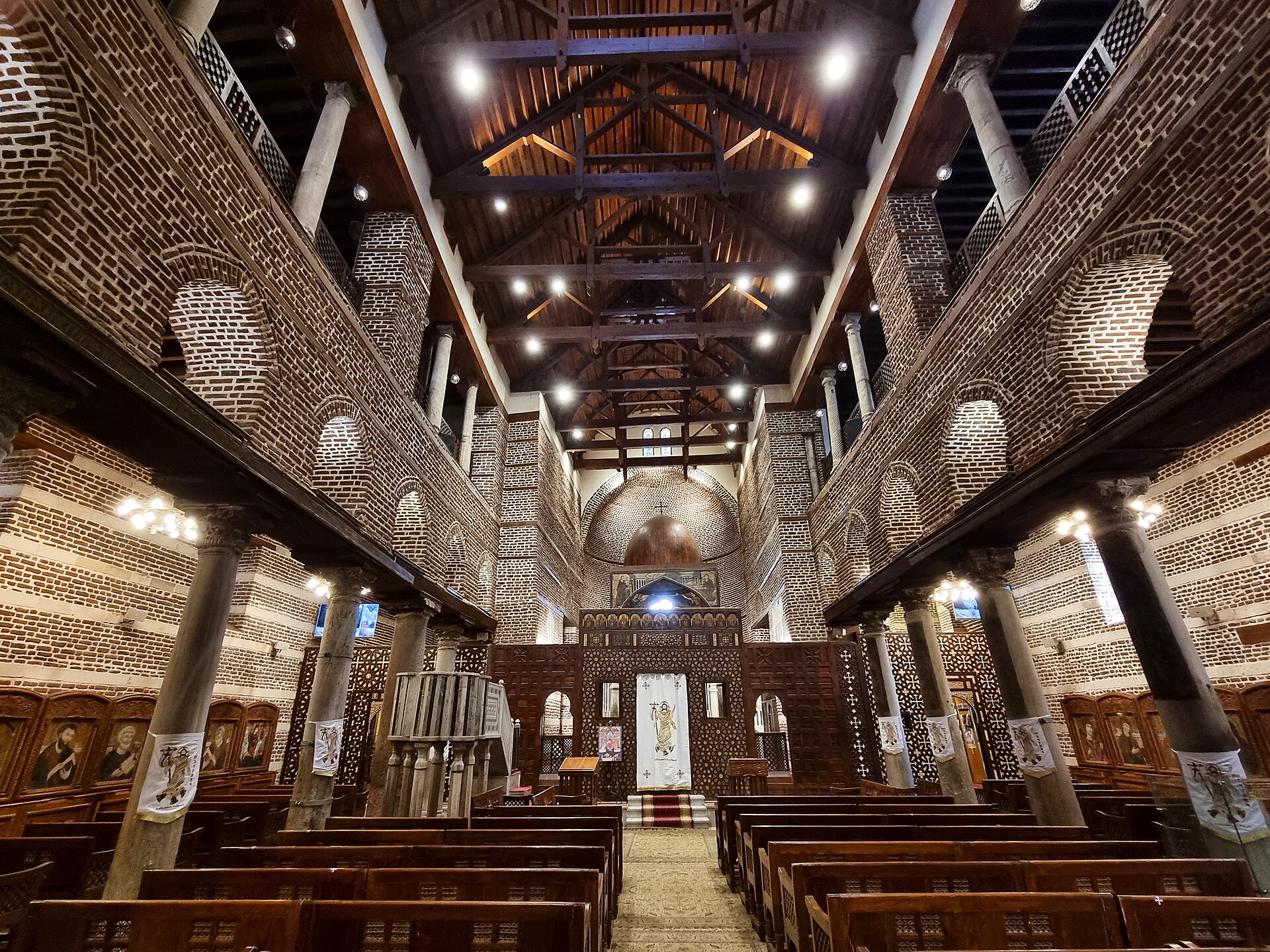
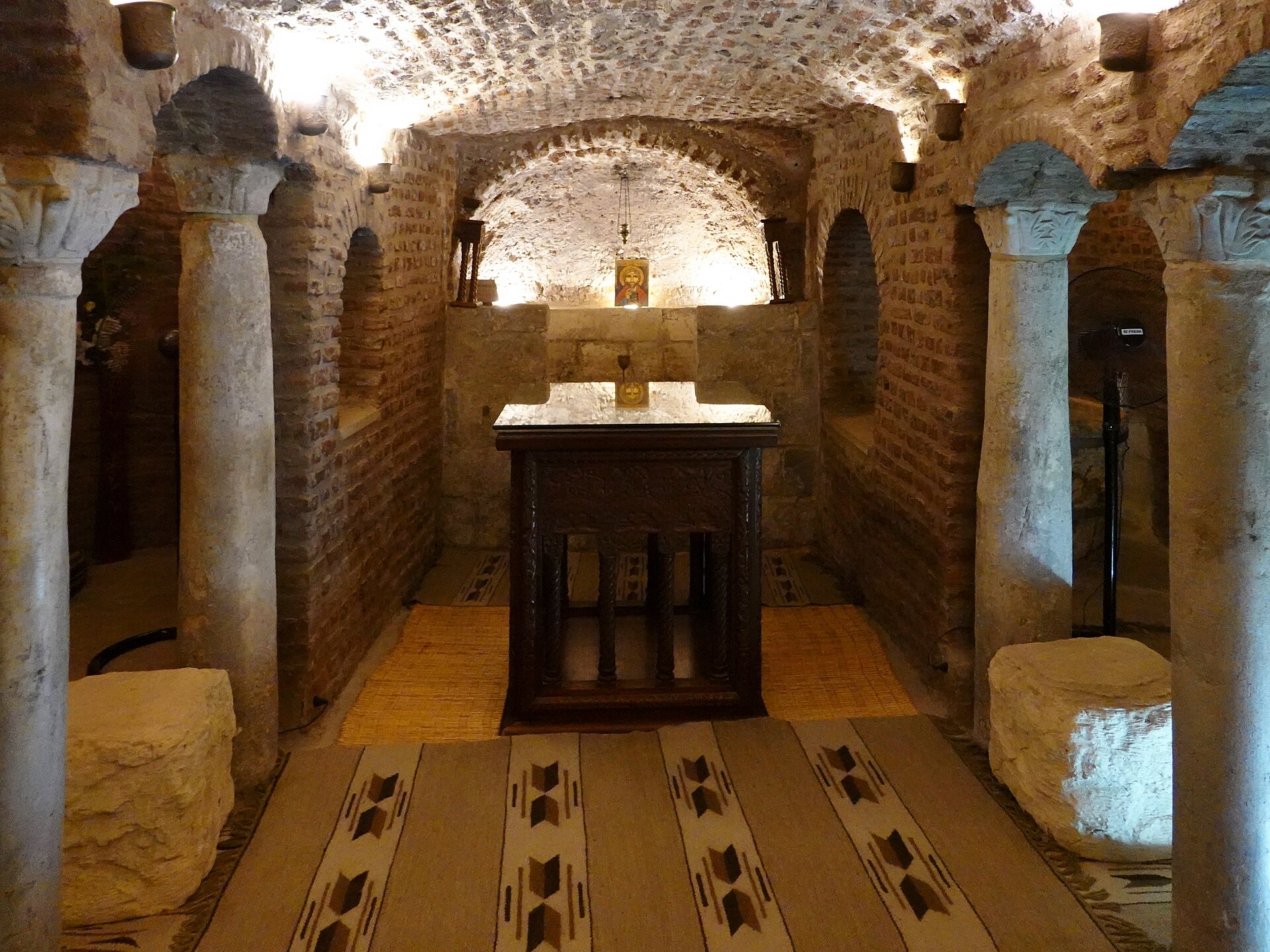
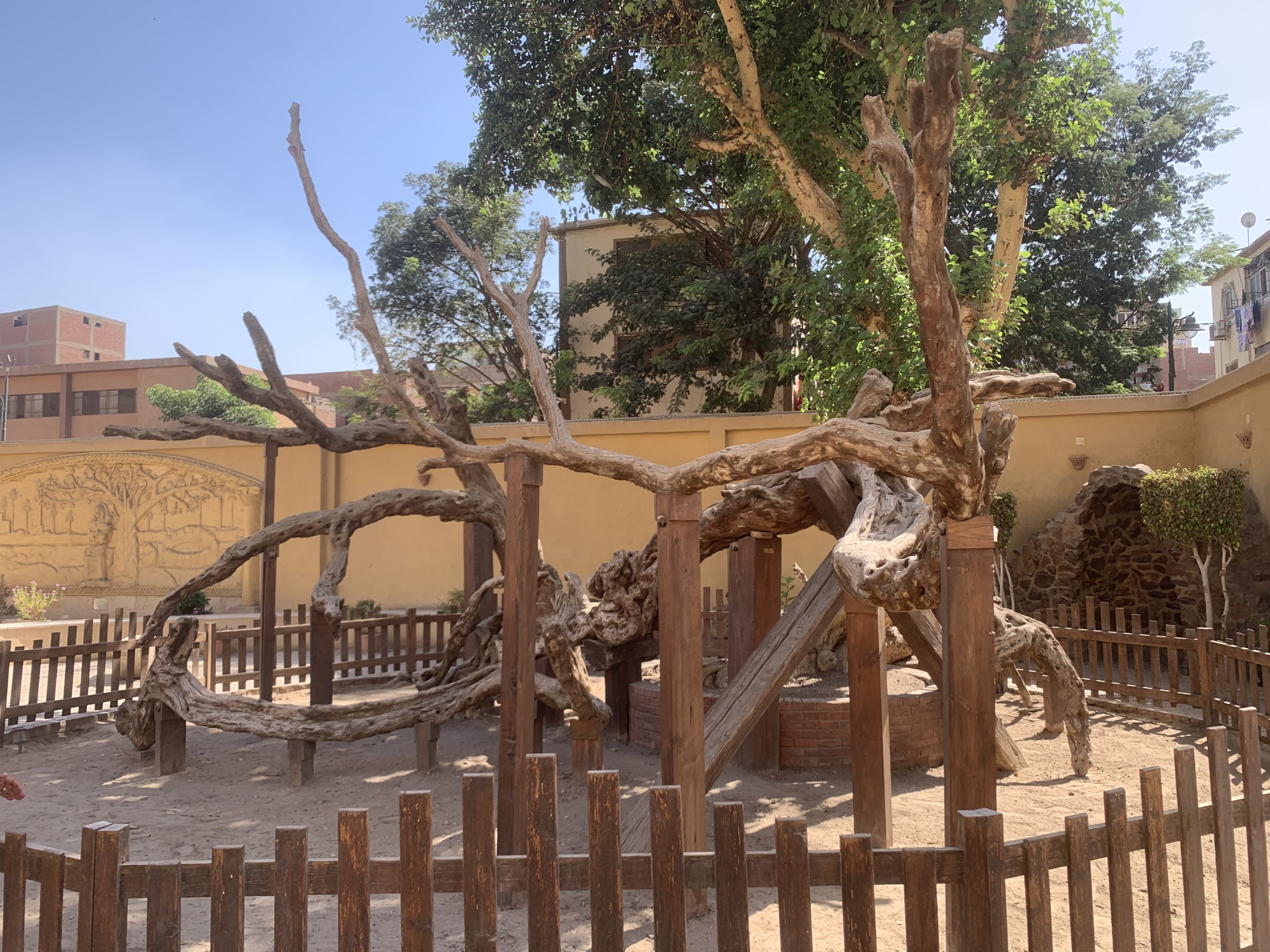
The Trail is not a single monument, but rather a collection of active churches and monasteries, ancient crypts and caves, wells, trees, and archaeological remains. For example, at Abu Serga, a 4th-century church in Old Cairo, pilgrims descend beneath the church to a crypt associated with the Family’s refuge. About 100 km to the northwest, Wadi al-Natrun, which was traditionally blessed by Mary and Jesus when they visited, houses the highest concentration of historic and active Coptic monastic communities in Egypt.
Youm7
Article 6 of the proposal would permit the Prime Minister to transfer control over non-antiquity lands and facilities located within Trail sites to the new Authority. The bill does not define the geographic scope of those lands and facilities in the statute itself. Critics have warned that the provision’s ambiguity could create disputes over church endowments, historic property, and privately owned land surrounding the Trail’s sites.
Follow the route · Beat 3
UNESCOUNESCOUNESCOUNESCO
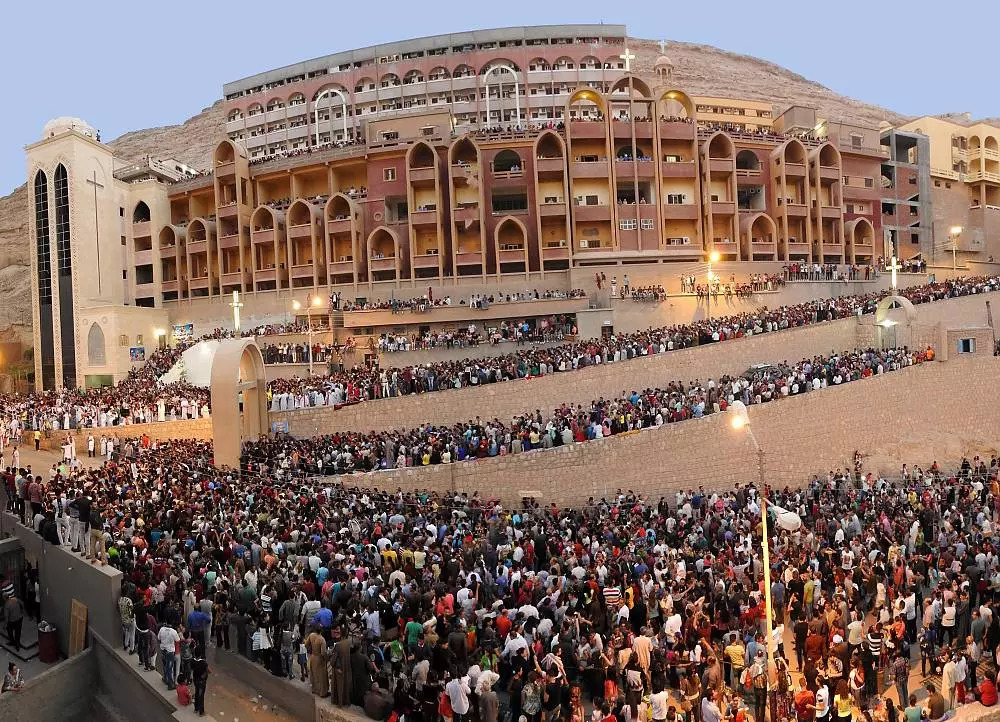
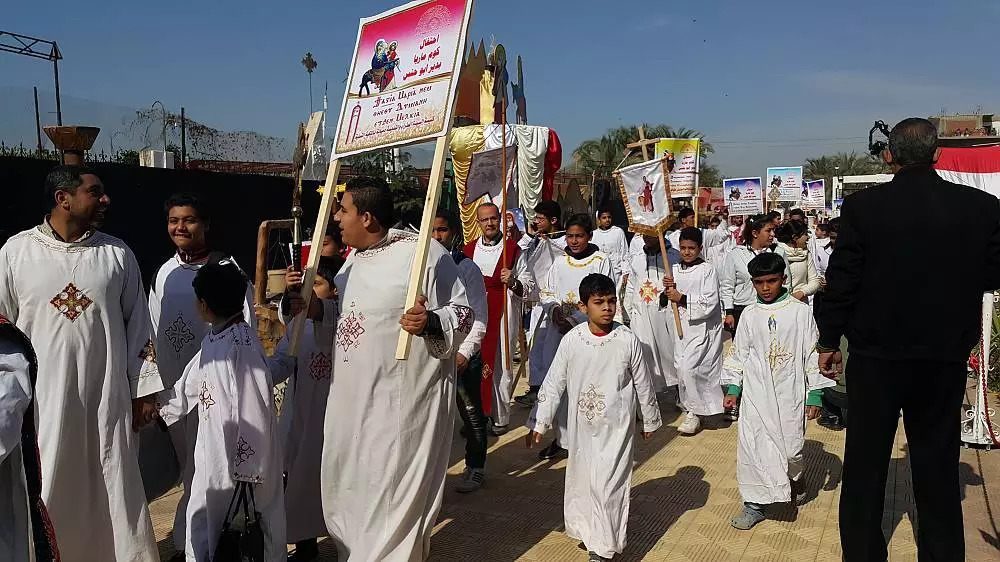
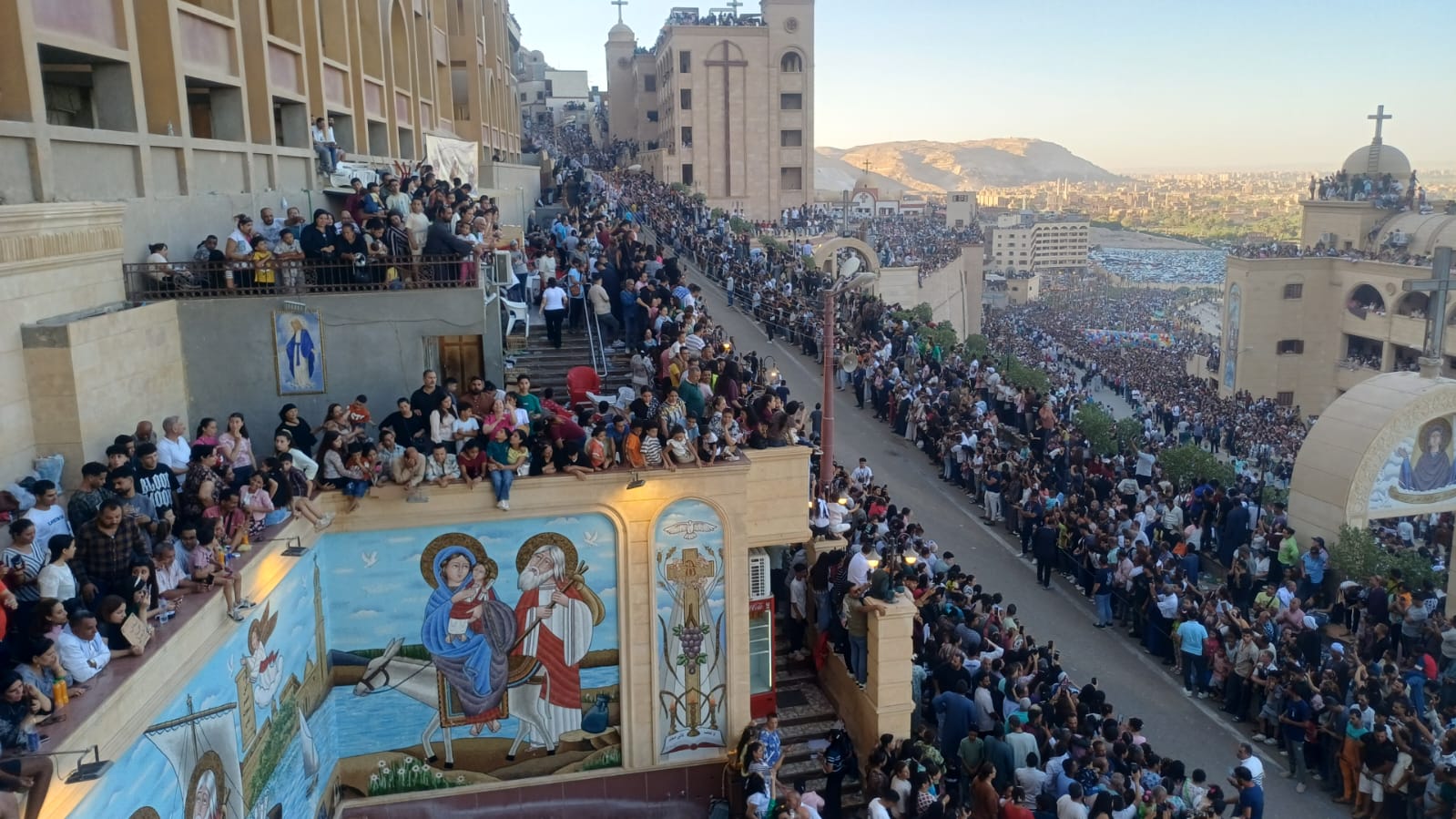
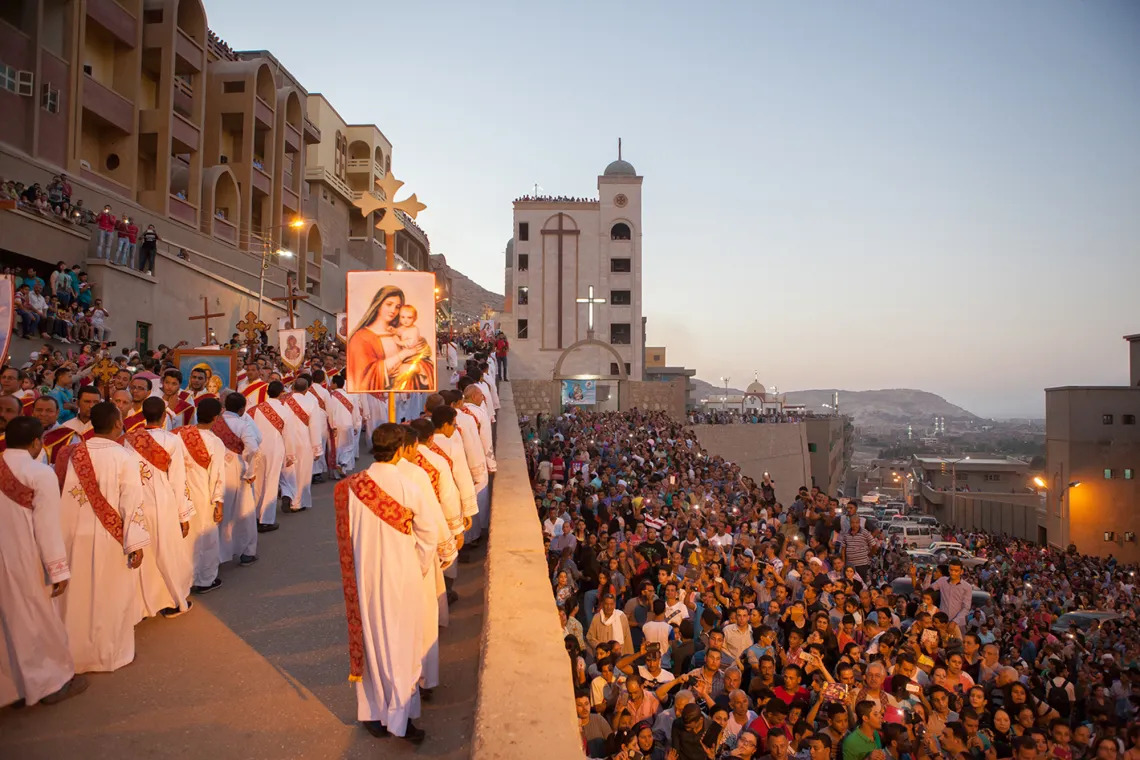
Across the Trail’s route, Copts have embraced the memory of the Holy Family’s visit through pilgrimage, worship, feasts, processions, and local traditions. As both the Coptic Orthodox and Catholic Churches consider the route a pilgrimage, around a million pilgrims visit the last site, the Virgin Mary Monastery in Dronka, Asyut, which makes up the largest Marian procession in the Middle East and all of Africa.
In 2022, UNESCO inscribed the festivals associated with the Holy Family’s journey on its Representative List of the Intangible Cultural Heritage of Humanity, recognizing its unique traditions transmitted through churches, monasteries, and generations of participants.
The proposed Authority would derive revenue from investment in lands and facilities under its control, visitor and service fees, grants, donations, and other sources. Its Board would be able to approve development projects, contract with companies, and establish joint-stock companies. However, among a 17-member Board dominated by government and security representatives, the Coptic Orthodox Church would receive only one seat. The majority of the non-archaeological sites claimed to be a part of the Holy Family Trail are active churches, monasteries, and religious sites that have been fully operated by CoC for centuries with occasional project-based support from the government.
Saint Catherine’s Monastery and surrounding landscape
View of Saint Catherine’s Monastery
Saint Catherine’s Monastery at the foot of Mount Sinai
World Heritage Watch
World Heritage Watch
Manuscript collection at Saint Catherine’s Monastery
Historic icon or manuscript at Saint Catherine’s Monastery
World Heritage Watch
World Heritage Watch
Terraced gardens or landscape associated with Saint Catherine’s Monastery
Saint Catherine’s surrounding monastic landscape
Historic property associated with Saint Catherine’s Monastery
Landscape around Saint Catherine’s Monastery
Monastic landscape associated with Saint Catherine’s
World Heritage Watch
World Heritage Watch
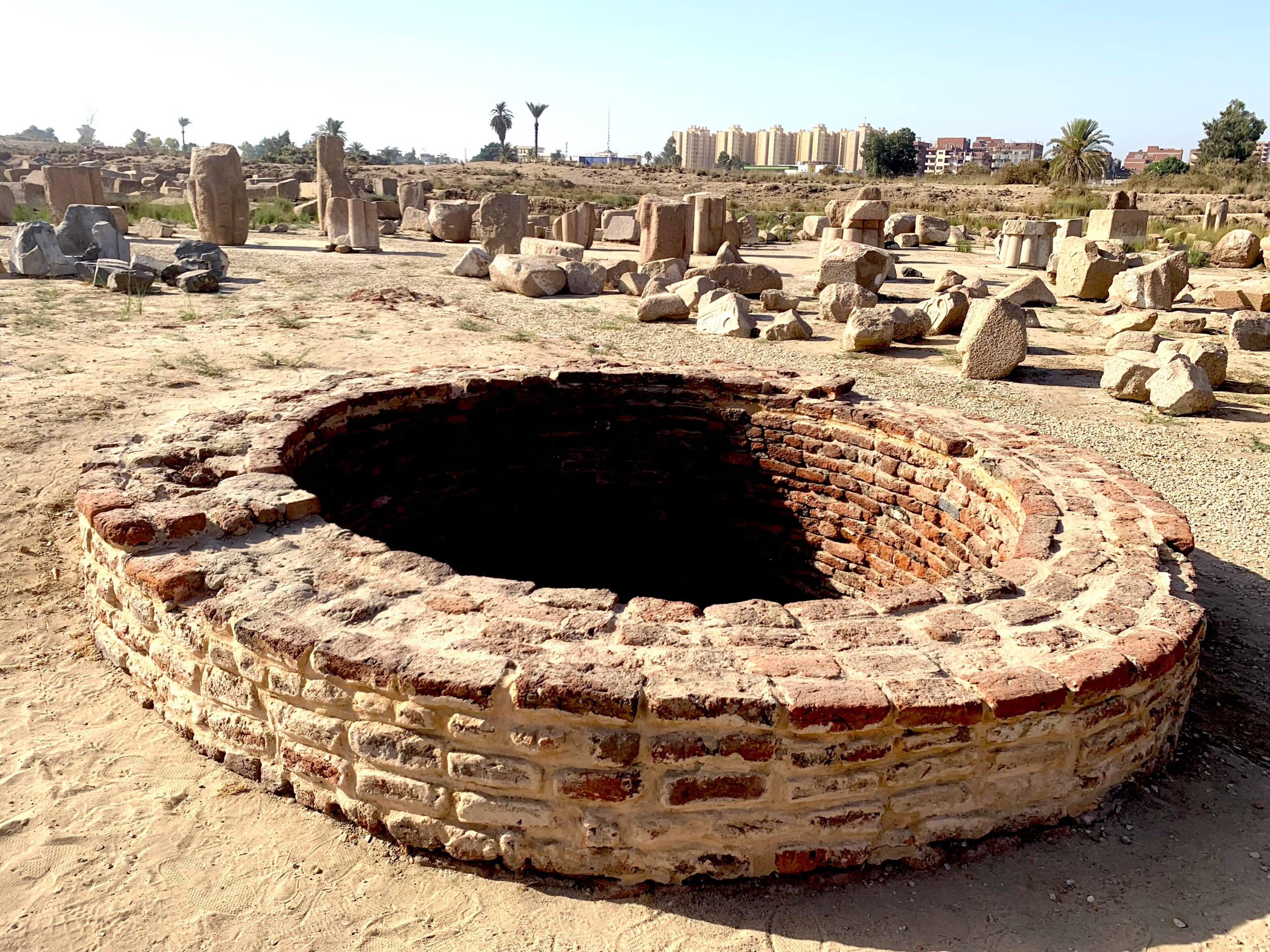
Site associated with the Holy Family Trail
Youm7
Holy Family Trail site 1
Holy Family Trail site 2
Holy Family Trail site 3
Holy Family Trail site 4
Holy Family Trail site 5
Holy Family Trail site 6
Holy Family Trail site 7
Youm7
UNESCO
UNESCO
UNESCO
UNESCO
Numerous international experts have argued that damage or alteration of cultural heritage constitutes a feature of more systemic violations against enshrined regional and international laws. In these cases, there is clear evidence of harm against Coptic individuals’ and communities’ freedom of religion or belief (FoRB), minority rights, the right to effective remedy, the right to non-discrimination, and, in some events, the liberty and security of persons. CS recommends that policymakers seek concrete monitoring and accountability measures to cease and mitigate ongoing and near-future violations.
What Can Be Done to Save Coptic Heritage?
Egyptian Government
Halt demolitions and alterations to Coptic and Christian cultural as well as religious heritage.
Regularize Coptic places of worship without bureaucratic obstruction and review the 2016 Church Construction Law.
Cease the practice of coercive, extrajudicial reconciliation sessions that disadvantage Copts.
Preserve living cultural and religious heritage sites without overcommercialization or appropriation.
You Can Help
Share the stories. Bring these violations to the attention of journalists, advocates, community members, and others who can share the word.
Contact your representatives. Ask them to raise the documented cases in diplomatic engagements with Egypt.
Support CoptWatch. Report any violation you know of to Coptic Solidarity; violations are harder to erase, deny, or repeat when they’re documented.
International Actors
Raise the documented violations directly with Egyptian authorities and seek concrete actions to cease and remedy such practices.
Utilize UN and UNESCO mechanisms to protect threatened heritage and scrutinize restrictions on Copts’ ability to access and administer their living religious heritage.
Track the ongoing violations and prioritize the documented patterns in bilateral policies and partnerships with Egypt.