
By WSJ –
Islamists in Mali have routed Kremlin-backed forces after confounding efforts by the West to uproot al Qaeda and its offshoots in the Sahel.
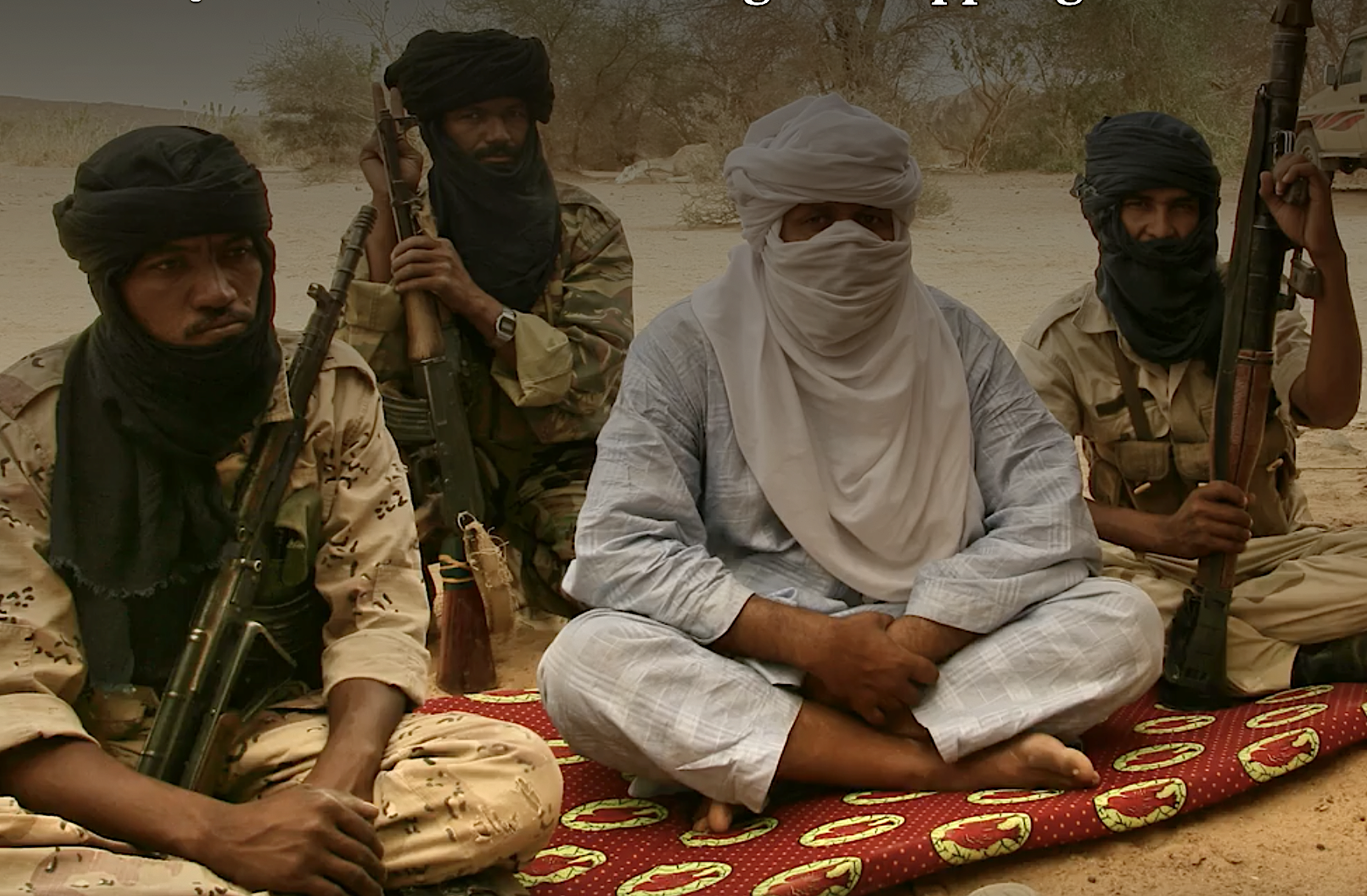
Al-Qaeda-led militants bent on building an African caliphate are closing in on Mali’s capital and forcing a retreat of the Russian mercenaries who were meant to stanch the spread of the Islamist group across the country.
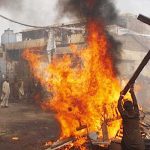
In some of the fiercest attacks in more than a decade this week, rebels routed Kremlin-controlled forces from a northern town, seizing Russian hardware as they swept through the Sahara. In the capital Bamako, militants imposed a siege, attacked the airport and killed the defense minister at his suburban home.
“The regime is highly vulnerable, and the Russians have shown they cannot protect it,” said Justyna Gudzowska, executive director of The Sentry, a U.S.-based group that has recently investigated the activities of Russian forces in Mali.
“The risk isn’t only Bamako falling,” she said. “It’s the junta becoming nominally in charge of a capital while losing effective control of most of the country.”
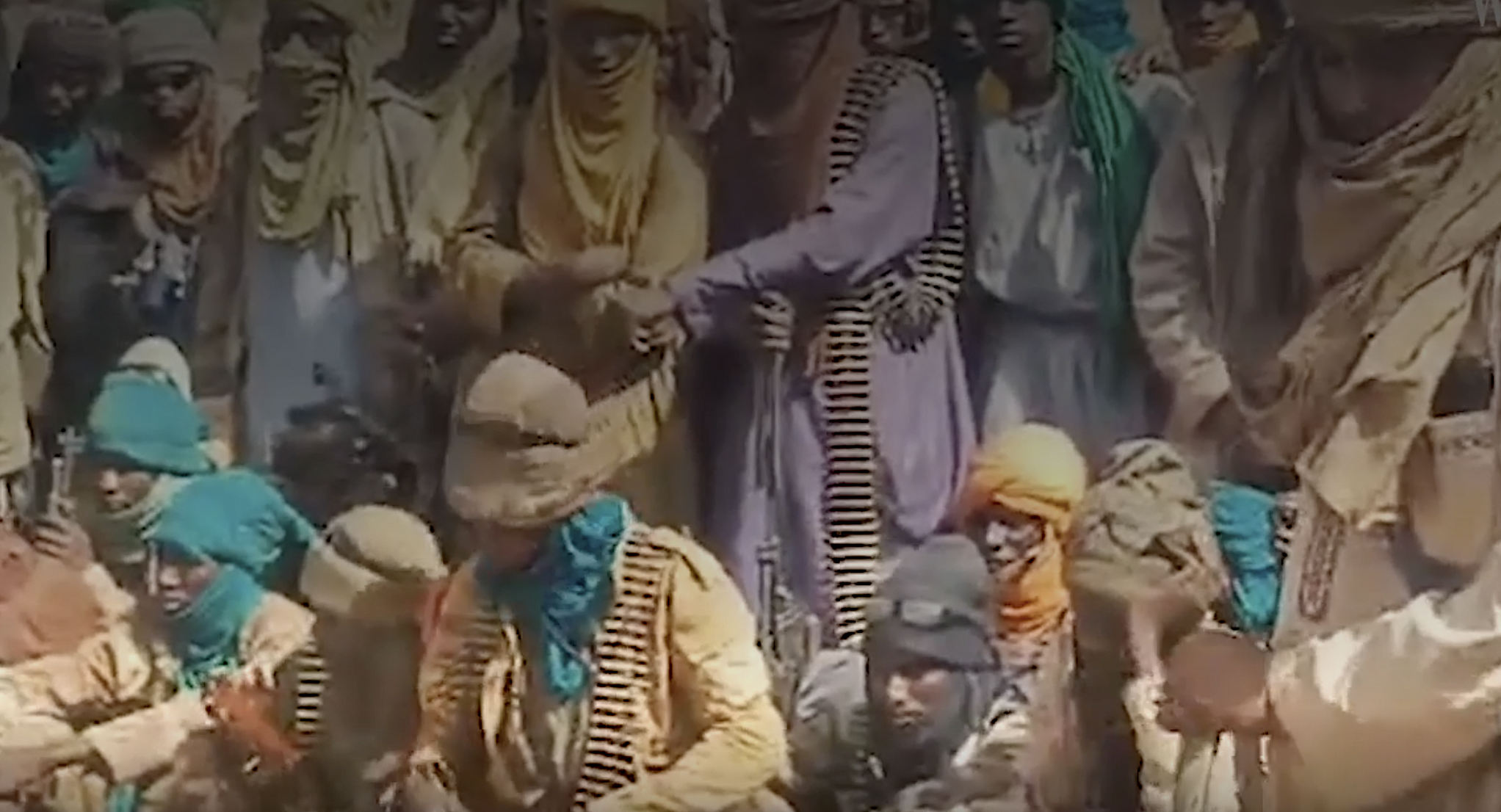
Should the jihadists topple the government, Mali would become the first country anywhere to be governed by adherents of the terror group that blew up American embassies in Kenya and Tanzania, brought down the Twin Towers on Sept. 11, 2001, and drew the U.S. into a 20-year war in Afghanistan. Their relentless rise, in the face of Western and Russian attempts to oust them, has been funded by drug running, extortion and kidnap for ransom.
Mali imported Russia’s Wagner mercenaries in 2022, in a failed attempt to swiftly suffocate the local Islamist insurgency that has since emerged as al Qaeda’s most successful and resilient offshoot.
The partnership formed part of Moscow’s ambitious foray into Africa and the Middle East, where the Kremlin offered countries such as Mali, Sudan and Syria security—in exchange for access to their vast mineral wealth. More broadly, Russia regarded its interest in Africa as key to the success of its struggle with the West for global dominance.
But that strategy is now unraveling. Russia risks being squeezed out of Libya after the U.S. earlier this month oversaw efforts to reunify local factions. The Kremlin stands sidelined in Syria following the toppling of dictator Bashar al-Assad at the end of 2024.
The latest retreat in Mali could spell the end of the adventurism in Africa that Wagner founder Yevgeny Prigozhin envisaged as Russia’s route to riches. Prigozhin led an aborted coup against the Kremlin in 2023 and was killed two months later when the jet he was on was bombed.
On Monday, the Africa Corps—a Kremlin-controlled force that absorbed Wagner fighters after Prigozhin’s death—said it was withdrawing from Kidal, a strategic town in Mali’s mineral-rich north. “The situation in the Republic of Mali remains difficult,” the group said on its Telegram channel announcing the retreat from the settlement.
Rebels then seized Russian armored vehicles and an attack helicopter, according to footage analysis by Adam Rousselle, principal analyst at Between the Lines Research, a consulting firm focused on armament analysis and militant groups.
Farther east, a local franchise of Islamic State—fiercely opposed to both al Qaeda and the government—seized a border village from the Russians at the country’s frontier with Niger, according to Western officials and footage posted on social media.
Then on Tuesday, militants from the al Qaeda outfit Jama’at Nusrat al-Islam wal Muslimin, or JNIM, announced a siege on the capital.
“We will not open even one route, as the entire city is under lockdown,” local jihadist commander Abu Hudhayfa al-Bambari said on the group’s social media.
The U.S. Embassy in Bamako told its citizens to shelter in place and avoid unnecessary travel, adding that it was “aware of reports of possible terrorist movements within Bamako, including reports of forced school closures.”
Over the weekend, JNIM had launched attacks on the capital’s airport and on the nearby town of Kati, according to the group, the government and Africa Corps.
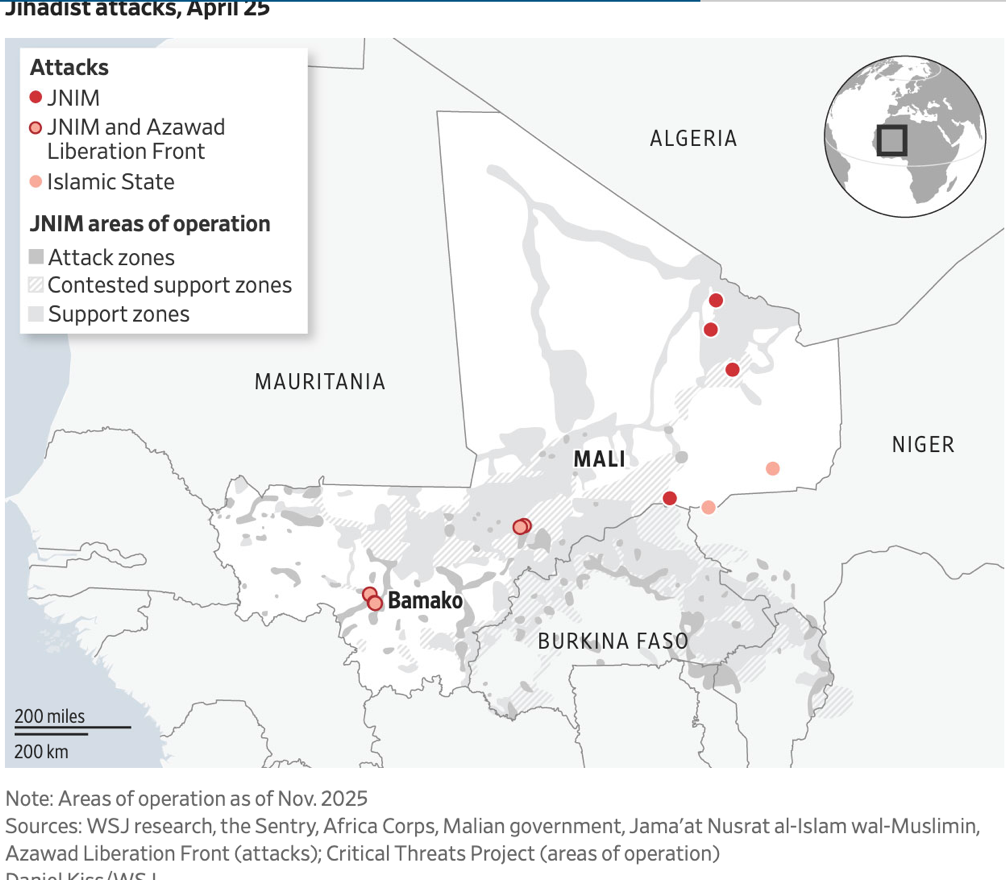
The Russians fought back at the airport, but in Kati, Mali’s defense minister was killed when a car laden with explosives rammed his home. The minister, Gen. Sadio Camara, had orchestrated Russia’s intervention in the country. The rebels say they want Russia to leave Mali. But Kremlin spokesman Dmitry Peskov said on Thursday that Moscow will remain in Mali at the request of the authorities.
The setback for Russia and its local allies comes as the jihadists have been in ascendance for the past year. The 6,000-strong al Qaeda umbrella group already controls territory the size of Montana in Mali and other parts of the Sahel, an arid strip of land that dissects Africa from east to west.
But Western officials fear it could seize control of the entire country—home to 25 million people in an area almost twice the size of Texas.
“This appears the most serious challenge to the government” in over a decade, said Andrew Lebovich, a researcher on African militant groups at the Dutch think tank Clingendael.
Iyad Hag Ghali
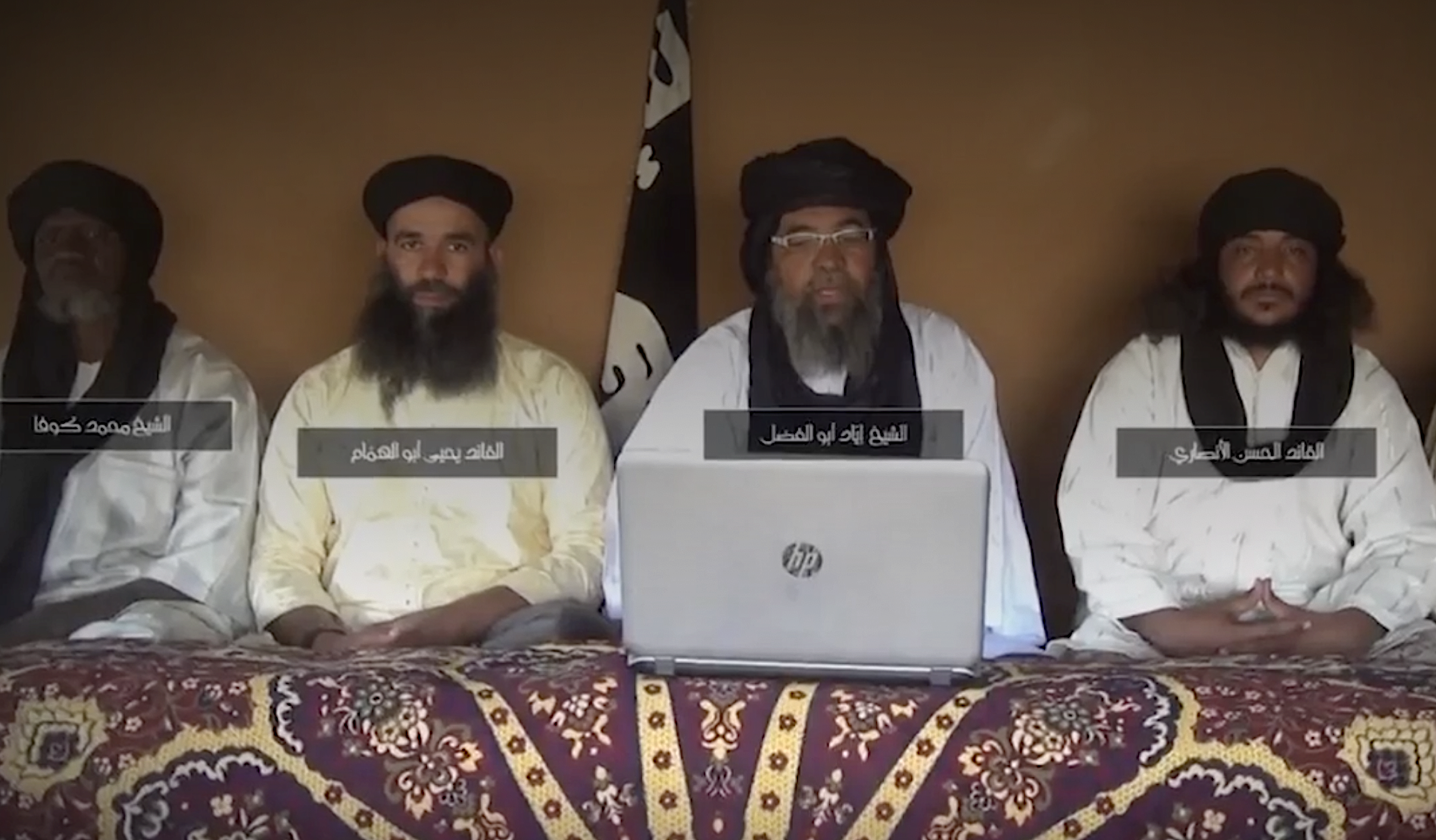
The insurgency, which began in 2012, is led by Iyad ag Ghali, a former Marlboro-puffing rock ‘n’ roller who became radicalized and banned music from the territories he controls.
For eight years, forces led by France, the former colonial power, contained the Islamists. But after they failed to stamp them out, Mali decided to bring in Kremlin-backed Wagner..
(..)
Western officials worry the attacks over the weekend are bringing the group closer to taking the capital. The officials, along with local intermediaries who speak to the group, say its funding has been bolstered by fresh cash injections from the sale of intercepted fuel and by a recent ransom payment.
The United Arab Emirates paid over $20 million in November to secure the freedom of an Emirati prince kidnapped by JNIM, The Wall Street Journal previously reported, citing Western officials. The ransom deal included the release of dozens of Islamist extremists imprisoned in Mali.
The militants are also funding themselves by escorting Colombian cocaine transiting through the Sahel for distribution to Europe, say current and former rebel leaders in northern Mali.
Islamists have proved in Syria and Afghanistan they can win a war of attrition while, in parallel, the existing regime collapses from within. JNIM has said it wants to emulate the Taliban, who entered Kabul after the military they had been fighting for two decades effectively vacated the capital.
__________________
Read full article at: