
By Sam Brownback – WSJ-
Mistakes in Iraq led to genocide of Christians and Yazidis. Don’t let it happen again.
I am haunted by memories of the genocide of Christians and Yazidis in Iraq. I was a senator when the U.S. ousted Saddam Hussein in 2003. While there are many lessons from that war, one mistake was allowing a security environment in which only Muslims were safe.
That mistake must not be repeated in Syria. That would drain the nation of the talent and resources it needs to stabilize, grow and prosper. Instead of a new, forward-looking Syria emerging after more than 50 years of Assad family rule, the world would see yet another destabilizing militant regime.
At the end of Saddam’s brutal dictatorship, Iraq had about 1.5 million Christians. Today, there are fewer than 250,000. There were more than 500,000 Yazidis in 2003 under Saddam. Today that number is estimated at 300,000, with 125,000 of those in internal-displacement camps, primarily in the Kurdistan region. The same will happen in Syria if we don’t insist on the safety of the country’s many religious and ethnic minorities. Syrian Kurds, Christians, Druze, Yazidis and Alawites must have domestic security.
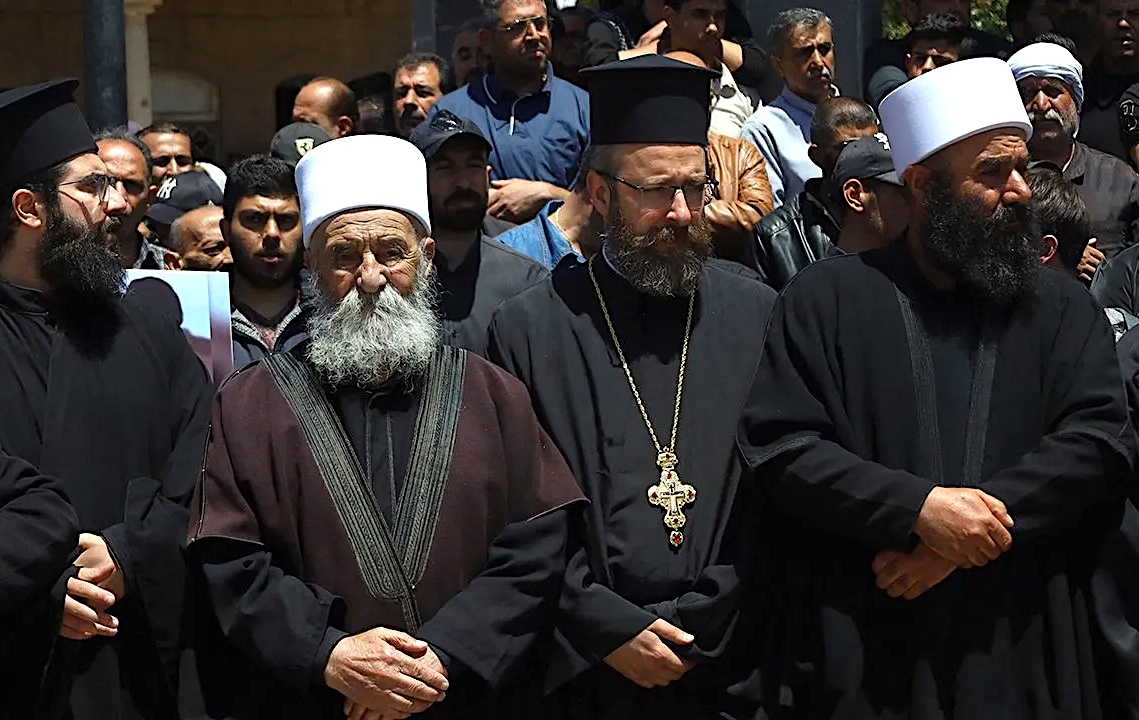
President Ahmed al-Sharaa, a former leader of a Sunni extremist group, and his government have proved unreliable protectors of these groups and can’t be relied on to provide safety for non-Sunnis, especially given the atrocities against Alawites, Druze and Kurds in which his own forces have been implicated.
While the international community should continue to work with the al-Sharaa government, the security and education of these minority communities can’t be left solely in the hands of a government that has already allowed massacres to take place. If America looks away, radical elements in Syria will slaughter religious and ethnic minorities that lack independent means for their protection. Their only choices will be to flee, be forcibly converted or die. Most vulnerable are Muslim converts to Christianity. Radical Muslims consider them apostates who deserve death.
Congress anticipated this dynamic when it passed the International Religious Freedom Act in 1998. The law reflects a hard truth—that the way a government treats religious minorities is a dependable indicator of its stability and trustworthiness as an international partner. When minorities are threatened, social cohesion breaks down. When social cohesion breaks down, durable peace becomes impossible. That vacuum is where other extremist groups thrive.
The Kurds are our most dependable ally in the region. They are hated by Turkey, which under the leadership of President Recep Tayyip Erdoğan is no friend of non-Muslim communities. The Kurds remain an oppressed people, but one that will fight for freedom for themselves and protection for others. They are our anchor tenant for religious freedom in this tough neighborhood.
The Kurdish part of Iraq, with its own military and police, is one of the few Muslim-majority areas in the region with a growing Christian population. The Kurds in Syria must similarly be allowed to protect themselves and other religious minorities by maintaining security the Syrian government agreed to allow last month. Ethnic and religious minorities must be allowed to organize and control their own security forces, and the U.S. should stand ready to arm and train them.
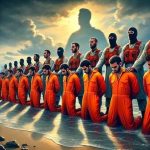
In 2003, some of us in Congress tried to provide long-term, sustainable domestic security arrangements for Christians and Yazidis in Iraq. We failed. Then, when U.S. interest waned, ISIS moved in, resulting in tragic killings from 2014 to 2017. The U.S. could have prevented the slaughter.
As ambassador-at-large for international religious freedom during the first Trump administration, I traveled to Northern Iraq in 2018 to interview survivors. One Yazidi mother, through a flood of tears, pleaded with me to help return her mentally handicapped son, who had been kidnapped. She offered to sell one of her kidneys if a ransom was necessary. Her son had been pried from her arms by demented ISIS fighters.
If the policy fight to ensure local security arrangements had succeeded, these catastrophes most likely would have been avoided—as they can be avoided now.
The governing structure of Syria is still taking shape. Damascus needs American support and guidance, which must be conditional on organizing reliable long-term security for its vulnerable minorities. Without that, the U.S. will almost certainly see that our “never again” pledge concerning genocide becomes another “yet again.”
________________________
Mr. Brownback, a former U.S. senator and governor of Kansas, served as the U.S. Ambassador at Large for International Religious Freedom.