
By Dr. Toros Korkmaz – Syriac Press (AINA) –
Before 1914, non-Muslims made up roughly 30 percent of the population of what became modern Turkey. Today, the Armenian, Greek, Assyrian, and Jewish communities constitute only a tiny fraction. This collapse resulted from genocide, massacres, expulsions, confiscation of property, forced displacement, and mass emigration. Although these peoples were rooted in Anatolia long before the arrival of Turks and Islam, they are still widely treated as outsiders whose loyalty is open to question.
This exclusion is reinforced by nationalist and Islamist narratives and reflected in everyday insults directed at Armenians, Greeks, Jews, and other non-Muslims. Even government opponents sometimes try to discredit political figures by alleging non-Muslim ancestry, turning religious identity into a synonym for treason or foreign allegiance. The deeper problem is therefore the state’s and society’s continuing refusal to recognize the country’s historic diversity.
Dispossession and Economic Transfer
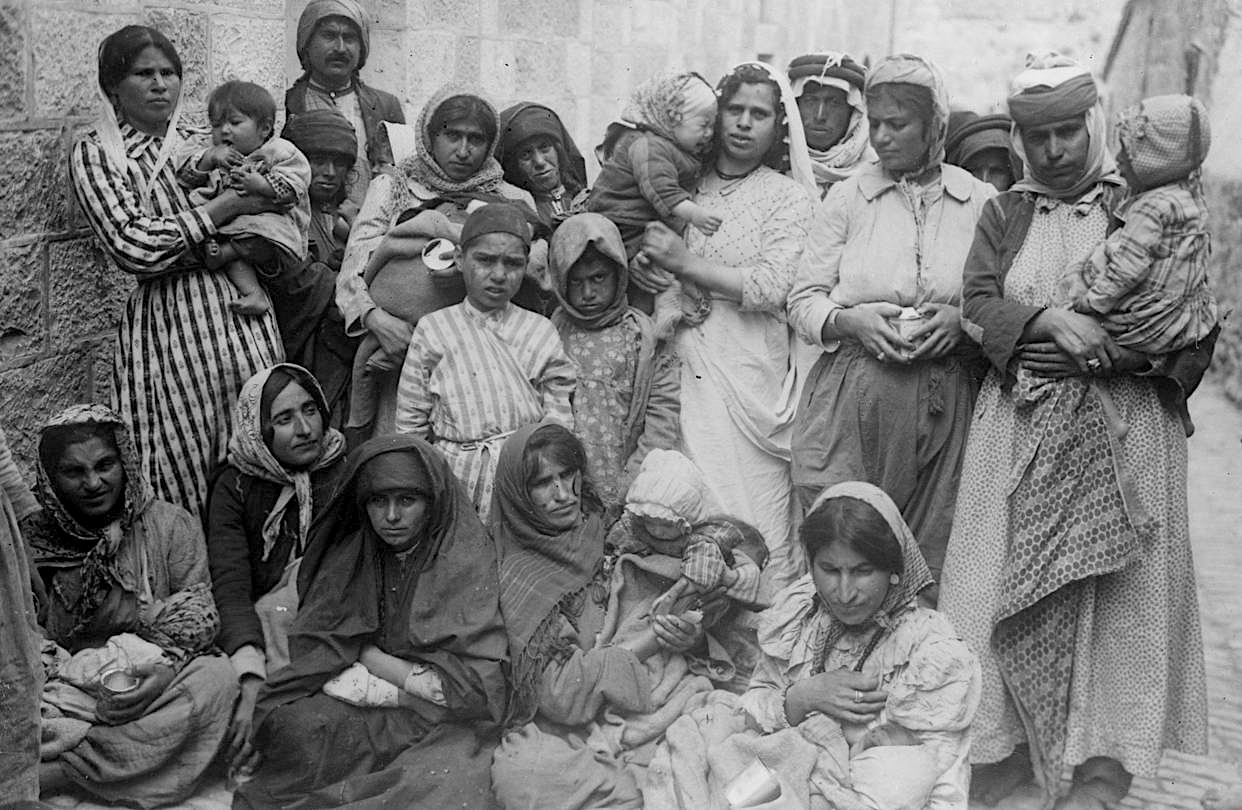
The deportation of Armenians and the massacres of Christians during the First World War transformed Anatolia’s demographic, social, and economic structure. The victims’ homes, farms, businesses, and other assets were confiscated, liquidated, or transferred to new owners, helping to create a Turkish Muslim bourgeoisie. Much of this system survived the establishment of the republic. The unresolved issue is not collective guilt for later generations, but the continuing consequences of wealth accumulated through dispossession and the absence of accountability or restitution.
The republican period brought further expulsions and attacks. In 1924, tens of thousands of Assyrians were driven from Hakkari, and many died in catastrophic conditions. During the 1934 anti-Jewish violence in Thrace, nationalist agitation, threats, attacks, and looting forced many Jewish residents of Edirne, Kirklareli, Tekirdag, Çanakkale, and nearby areas to flee.
In 1941, the “Twenty Classes” policy conscripted non-Muslim men into special labor battalions. The following year, the Wealth Tax imposed ruinous and discriminatory burdens, especially on Greek, Armenian, and Jewish citizens. Those unable to pay had to sell their property, often at great loss, and some were sent to labor camps in Aşkale. These measures transferred economic power while exposing the hollowness of the republic’s formal commitment to secularism and equal citizenship.
On 6–7 September 1955, nationalist mobilization over Cyprus led to organized attacks on Greek homes, businesses, churches, and cemeteries in Istanbul; other non-Muslims were also targeted. Pressure and insecurity intensified after Turkey’s 1974 military operation in Cyprus, making Turkish Greeks bear the consequences of an international conflict. Across these episodes, different communities were repeatedly transformed into “suspect citizens” during national crises.
Security Policies and Persistent Suspicion
From the 1980s, armed conflict between the state and the Kurdistan Workers’ Party, forced village evacuations, security policies, violence, and economic hardship drove many Assyrians from their ancestral areas. Although no single factor explains this migration, it emptied historic villages and weakened cultural continuity.
Armenians also faced heightened suspicion after the 1980 military coup. Attacks by the Armenian Secret Army for the Liberation of Armenia against Turkish diplomats were used to cast doubt on the loyalty of Turkey’s entire Armenian community, although citizens sharing an ethnic identity could not reasonably be held responsible for the acts of one organization.
The assassination of Agos founder Hrant Dink on 19 January 2007 became the clearest symbol of the dangers facing Armenians who asserted their identity publicly. Before his killing, Dink endured nationalist campaigns, threats, and judicial pressure. In 2010, the European Court of Human Rights ruled that Turkey had failed to protect his life. His murder represented both the loss of a journalist and the risks attached to challenging the marginalization of Armenians.
Denial Beyond Changes of Government
Despite extensive international scholarship and recognition by numerous states and parliaments, Turkey maintains its official denial of the 1915 genocide. Armenian and Assyrian demands for historical truth are commonly portrayed as foreign interference or threats to national security. This prevents open examination of what happened, who suffered, how property changed hands, and what remedies remain possible.
Responsibility for this impasse extends beyond the government. Large parts of the Kemalist opposition also remain tied to official narratives about the republic’s founding, national unity, and security. Opposition to contemporary authoritarianism does not necessarily entail confronting the dispossession associated with the republic’s formation or present-day discrimination. Liberal, left-wing, socialist, and Kurdish movements have increasingly demanded such a reckoning and defended non-Muslim rights, but they have not displaced the dominant narrative.
An Unfulfilled Promise of Equality
The republic promised equal citizenship, yet non-Muslim experience has been marked by confiscation, discriminatory laws, violence, displacement, and denial. Educational and cultural policies have helped preserve prejudice, leaving Armenian, Greek, Assyrian, and Jewish identities vulnerable to accusations of disloyalty.
The central question is therefore whether Turkey can accept all its citizens as equals. Democracy requires more than replacing one government with another: it requires recognizing historic injustice, addressing its continuing effects, and changing the standards by which belonging is judged. Turkey’s treatment of its non-Muslim citizens remains a test of whether the state is prepared to ground its future in justice, equality, and truth rather than nationalism, official ceremony, and denial.
________________________
Abridged from: