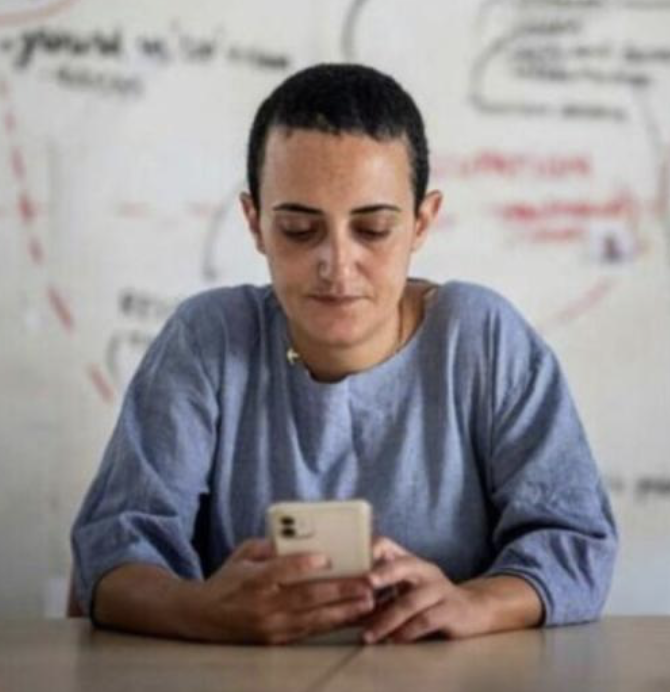

Two statements carrying a combined 138 organisational signatures have condemned an Egyptian court’s conviction of Lina Attalah, editor-in-chief of Mada Masr, and its order to close one of the country’s last remaining independent news outlets. Both describe the ruling as an escalation in the campaign against independent journalism and demand that Egyptian authorities end their intimidation of journalists.
One statement brings together 130 signatories, including international organisations such as Amnesty International, Human Rights Watch, the Committee to Protect Journalists, and Reporters Without Borders, alongside regional media and rights groups. The other, signed by eight organisations including the Cairo Institute for Human Rights Studies, details the procedural violations and licensing obstruction behind the prosecution and calls for European financial pressure.
A Verdict Despite Defence Objections
The New Cairo Misdemeanour Court convicted Attalah of managing an unlicensed website and imposed the maximum penalty: an EGP 3 million fine, closure of Mada Masr’s website, and confiscation of its devices and equipment.
Both statements describe serious violations of defence rights. The court delivered its verdict at the first hearing without allowing Attalah’s lawyers sufficient time to examine the case file. The defence was prevented from pursuing key procedural requests, including submitting documents and calling witnesses. Journalists were excluded from the courtroom during critical stages.
The judge also appointed another lawyer against Attalah’s wishes, despite the presence of her eight-member defence team, and proceeded to announce the ruling.
Lina Georgy Attalah was detained inside the courthouse for seven hours and released after paying the full fine. During release procedures, she discovered a separate conviction issued in absentia in 2024, sentencing her to one year in prison for disseminating false news and operating an unlicensed website. Her lawyers have challenged that judgment; a hearing is scheduled for November 11.
The latest prosecution followed an interrogation on October 21 lasting more than six hours, concerning Mada Masr’s coverage of prison protests and its licensing status. Released on EGP 100,000 bail, Attalah learned the following day that she had been referred to trial over the website’s operation. Her lawyers intend to appeal the closure ruling.
A Wider Assault on Independent Journalism
The statements place the case within an expanding crackdown. On September 28 and 29, National Security forces arrested all six journalists working for the investigative and fact-checking platform Matsadaash. The eight-group statement reports that they were forcibly disappeared for five days before appearing before the Supreme State Security Prosecution on terrorism-related and false-news charges.
The broader coalition reports that some journalists told prosecutors they had been tortured and forced to record fabricated confessions.
Mada Masr subsequently joined Egyptian and regional outlets in a solidarity newsroom established to continue coverage following the arrests. Attalah’s interrogation and prosecution followed shortly afterward.
The campaign has also included summoning journalist Rasha Azab for questioning and what the 130-signatory statement describes as a coordinated defamation campaign against the Egyptian Journalists Syndicate.
Approximately 25 to 26 journalists remain imprisoned, according to the two statements. Egypt ranks 169th out of 180 countries in the World Press Freedom Index, underscoring the severe restrictions under which its remaining independent journalists work.
Licensing Obstruction and European Accountability
Both statements demand freedom for independent outlets and an end to the criminalisation of journalism. The eight-group statement explains the administrative mechanism: Mada Masr applied for a licence in 2018 and again in 2020, but the authorities’ failure to respond left it exposed to prosecution for lacking authorisation.
The organisations seek a notification-based system, invoking Article 70 of Egypt’s Constitution, to replace prior permission that can be withheld indefinitely. The international coalition likewise demands non-discriminatory licensing and the unconditional release of imprisoned journalists.
The eight organisations also call on the European Union to withhold further financial assistance until credible improvements in human rights and the rule of law are verified. Egypt is seeking the final €1.5 billion under the EU’s macro-financial assistance programme by year’s end, following a second disbursement in July.
Together, the statements expose how administrative obstruction, prosecution, and punitive court orders threaten independent journalism. Their demands address both the Egyptian authorities responsible and international partners whose continued support should require meaningful scrutiny of that repression.
_______________________________
Sources: