
By Dr. Hossam Badrawi – Al-Hurriya –
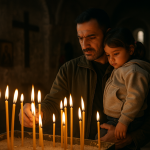
Some mothers—patients of mine and members of civil-society organizations I support—contacted me, distressed by the scheduling of a long-awaited sporting event that their children love. The federation governing the sport (as I was told) scheduled the event on the very day and hour of their family celebration of a religious feast, which would deprive their children of participation and competition.
I researched the matter and confirmed it. I decided to write because the issue is not merely the scheduling of a sports championship, nor is it about gymnastics or an overcrowded competition calendar. The matter is far deeper than that: it touches the very core of the idea of the civil state and how the public sphere is managed in a society that is religiously and culturally diverse.
Scheduling the National Trampoline Gymnastics Championship (2025/2026 season – Under-10 category) on the evening of Christmas Eve, corresponding to January 6, during the time of religious observance, raises a legitimate question—one that is not about intent, but about impact.
Time is not always neutral. In political philosophy, time is not viewed merely as numbers on a calendar, but as a carrier of meaning.
There are secular times and symbolic times. When a public institution chooses a time that is sacred to a segment of citizens and fails to consider the impact of that choice on them, it—even unintentionally—produces a form of practical exclusion.
A Coptic Christian boy or girl at this age is not given a real choice: either participate in a national championship or observe a religious and family ritual that is officially recognized. At that point, the concept of equal opportunity collapses.
The Egyptian Constitution did not stop at proclaiming general principles; it laid down clear foundations for equal citizenship:
Freedom of Belief
Article (64): Freedom of belief is absolute, and the state guarantees the freedom to practice religious rites. This protection is not limited to formal permission but extends to refraining from public decisions that practically restrict this freedom.
Equality and the Rejection of Indirect Discrimination
Article (53): Citizens are equal before the law; there shall be no discrimination among them on the basis of religion. Discrimination does not need to be intentional; it is measured by its real-world outcome.
And the outcome in this case is clear: the effective exclusion of Coptic Christian children from participation—not for technical or organizational reasons, but for religious ones.
Equal Opportunity Is Not a Slogan
Article (9): The state is committed to achieving equal opportunity for all citizens without discrimination. Equal opportunity does not mean opening the door to everyone at the same time, but rather removing obstacles that make entry possible for some and impossible for others.
Sport as a Constitutional Right
Article (84): Sport is a right for all, and the state commits to caring for the talented. Sport, as an educational right, should be a field of inclusion, not exclusion; a space for justice, not a test of religious loyalty.
Rights Are Not Diminished by “Organization”
Article (92): Rights and freedoms inherent to the person of the citizen may not be suspended or diminished.
No administrative arrangement—however trivial it may appear—may reduce these rights under the pretext of “scheduling” or “necessity.” This article is not an accusation, but a clear call for reconsideration.
Respecting religious holidays is not a social courtesy; it is a practical application of the Constitution and the spirit of citizenship. Changing the date of a championship does not weaken an institution—it strengthens public trust and affirms that the state is capable of correcting its decisions when they conflict—even unintentionally—with justice.
The sport we want for our children should teach them how to win—but before that, it should teach them justice.
_______________________
Translated from this report