
Reports of threats against Christian business owners in western Syria have given fresh urgency to warnings from Assyrian organizations that the country’s transitional authorities are failing to protect Christian communities. The perpetrators remain unidentified and no investigation was publicly confirmed. These reports raise a concrete question for President Ahmed al-Sharaa’s government: what protection can Christians expect when threats reach their shops, restaurants and places of work?
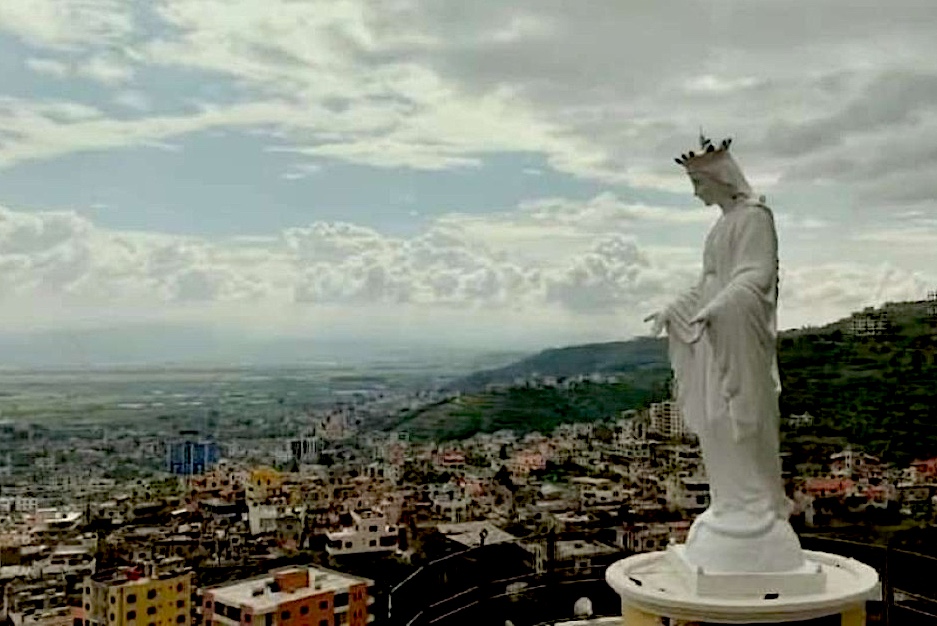
In the Wadi al-Masihiyeen, or Valley of Christians, west of Homs, business owners have reportedly faced demands to convert to Islam, gunfire and attempted extortion. Citing information released by the Syrian Christian Observatory on 21 November, Syriac Press reported that four people entered several Christian-owned shops and urged their owners to embrace Islam. In a separate incident, two masked men reportedly fired at a shop being prepared for opening. Armed men on a motorcycle allegedly demanded a share of the profits of restaurants, bars and event businesses. The identities and affiliations of those involved are unknown; Syriac Press found no confirmation of arrests or an officially announced investigation.
The accounts describe different forms of pressure, but their possible combined effect is clear. A shop owner who fears an armed demand for money, or a religious demand made at the workplace, may have little confidence that ordinary commercial life can continue safely. The reports do not establish that the incidents were coordinated, or that the authorities directed them. They do warrant a prompt investigation and a public account of what the authorities have done to protect those targeted.
Organizations demand action
In a joint statement published on 22 November, two Assyrian organizations based in Germany accused al-Sharaa’s government of failing to prevent intimidation of Christians and the spread of extremist incitement. The Assyrian Cultural Association in Saarlouis and the Assyrian Autonomy Movement pointed to warnings by Syrian church leaders, including Syriac Catholic Archbishop Jacques Mourad, and challenged the government’s presentation of Syria as secure and pluralistic. Their statement holds the government politically responsible for its response to threats; it does not establish that officials carried out the reported attacks.
The organizations call for transparent investigations into attacks, action against religious incitement and extremist propaganda, and an enforceable prohibition on the public display of ISIS and al-Qaeda symbols. They also urge Germany and other international partners to make support for Syria’s transitional government depend on measurable progress in protecting religious and ethnic communities. Their appeal includes a demand to suspend deportations of Syrian Christians and reassess rejected asylum claims.
Those demands go beyond the reported incidents in the Valley of Christians. Yet the business owners’ accounts illustrate why general assurances of equal citizenship are insufficient. Protection must be visible where people live and work: threats must be reported safely, investigated impartially and followed by accountability. Authorities should also make clear whether the reported gunfire and extortion have been investigated and whether those affected have received protection.
For Syria’s Christians, the issue is not simply whether they may worship. It is whether they can run a business, retain their property and participate in public life without being pressured over their faith or exposed to armed intimidation. Al-Sharaa’s government should be judged by its response to specific cases such as these, including whether it establishes the facts and protects those who come forward.
_____________
Sources: