
By CIHRS –
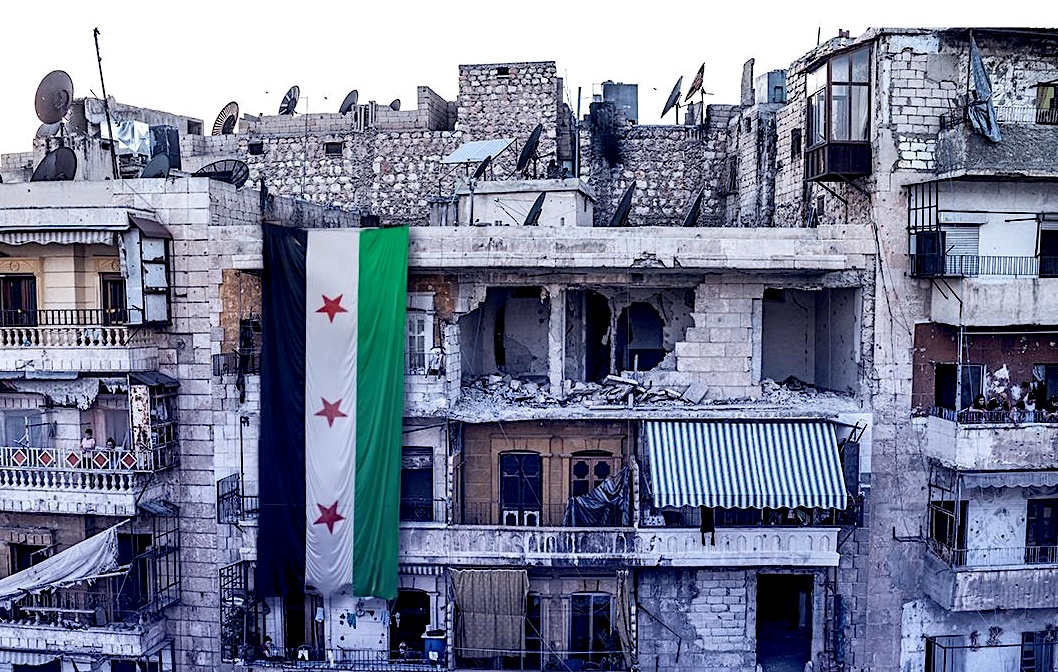
Today 8 December marks a year since the fall of the Assad regime in Syria, which represented a historical turning point bringing Syrians hope for freedom and justice after decades of conflict, brutal repression, and mass atrocities. The past year, however, has instead brought persistent insecurity and lawlessness, sectarian attacks that claimed hundreds of lives, a dire humanitarian crisis, and widening social fractures. Syrians remain trapped in a fragile and uncertain transition while institutional and political reforms have been limited. Power has become increasingly concentrated in the hands of those who were affiliated with Hay’at Tahrir al Sham, raising serious concerns on Syria’s transitional trajectory.
The challenges the Syrian transitional government is facing, including the economic crisis and capacity issues, does not absolve it from its responsibility under international law to protect the Syrian people. Moving forward, the government must take urgent and concrete steps to end the bloodshed, control the various militias and ensure a successful, sustainable transition that prioritizes peacebuilding, inclusive governance, and accountability for all, including its own factions.
‘One year later, ongoing abuses, exclusionary politics, and divisive sectarian rhetoric and violence show that Syria’s transitional authorities have not taken the essential steps toward a real transition. The government must act to end inflammatory discourse, launch a genuine national dialogue that includes all Syrians, and build credible accountability mechanisms. Without these actions, the transition will remain stalled, leaving institutions weak, unrepresentative, and vulnerable to further abuse.’ says Amna Guellali, Research Director at the Cairo Institute for Human Rights Studies (CIHRS).
Social reconstruction and state reform
Over the past year, the Syrian transitional government has announced several initiatives aimed at state reform, reconstruction, and transitional justice. These included the national dialogue, the constitutional declaration and multiple transitional justice related committees and commissions, although these efforts have raised concerns over their transparency, legitimacy, independence, and inclusiveness. The national dialogue was rushed and excluded key political, intellectual and civil society figures, and concluded with broad non-binding outcomes. The constitutional declaration granted the self-appointed President broad and unchecked powers, without specifying election, impeachment and accountability procedures, creating a system highly vulnerable to authoritarianism. Additionally, it subjected all citizens to a single state-dictated interpretation of Sharia by designating Islamic law as the primary source of legislation and disregarded ethnic and religious minorities by requiring the President to be Muslim and declaring Arabic as the sole official language.
Social reconstruction demands immediate and serious action from the transitional authorities to reform the state’s institutions, restore public trust, and lay the structural foundations for lasting peace and stability. Central to this reconstruction is the implementation of the right to political participation, ensuring the inclusion of Syrians in public affairs, and transitional justice related mechanisms, and taking serious actions towards accountability.
We urge the transitional government to:
- Hold a new national dialogue ahead of adopting any laws that shape the country’s foundation. This dialogue must reflect the will of the people, allow sufficient time for serious preparation, and enable genuine consultation.
- Adopt a law regulating political activities, trade unions and associations, in accordance with international law, and with the inclusion of diverse political figures, activists, and independent experts in the drafting committee.
- Adopt an electoral law that ensures free, inclusive, independent, and transparent elections, in accordance with international standards, including by establishing an independent elections committee headed by a consensual independent civil society figure.
- Repeal, amend or halt the implementation of restrictive laws governing freedom of expression and of association.
Sectarian violence
The past year has seen deepened rifts between Syria’s diverse communities, with a rise in sectarian violence and hate speech, including on social media, mosques, universities, and most notably, the incidents on the Coast in March, and Suweida in April and July, where hundreds of civilians were killed on sectarian basis, with the involvement of government aligned forces. In response to these incidents, the transitional government formed the Civil Peace Committee, the national investigative committee into the Suweida incidents and a fact-finding committee to investigate the coastal incidents, although the outcome and achievements of these bodies is unclear and their legitimacy has been questioned, particularly for perceived sidelining of victims and for lack of transparency. These committees were part of a series of government-mandated bodies established in relation to transitional justice, including the National Commission for Missing Persons and the National Commission for Transitional Justice, both of which have been largely symbolic and procedural.
We call on the Syrian transitional government to:
- Establish and support transparent, inclusive, and victim-centered truth commissions to document violations, identify perpetrators through the close participation of human rights actors, victim-led groups, families of victims, and local community leaders.
- Hold public, transparent and impartial prosecutions against perpetrators of sectarian violence, particularly of the Coastal and Suweida incidents, and including government affiliated forces, in accordance with international human rights standards.
- Adopt a law against hate speech and discriminatory discourse on the basis of gender, ethnicity and religion, in accordance with human rights standards, and with the participation of legal experts and relevant civil society experts.
- Set and publish a clear mandate for the Civil Peace Committee, which nine months after its creation still lacks a clear mandate and powers, and has been reportedly exercising judicial powers without legal authorization. Its mandate should be limited to peacebuilding and social reconstruction, with no legal or judicial powers, and with direct participation of Syria’s diverse communities, victim groups and relevant organizations and initiatives.
Concentration of power and lack of trust in the government
Soon after the takeover of the transitional government, a series of deeply problematic appointments worsened social tensions and heightened fears about the trajectory of the new regime. The new government fell short in terms of transparent selection processes and people-representative decision-making as HTS and HTS-affiliated individuals overwhelmingly dominated the new government, state institutions and other key state positions across all state branches, the judiciary, security and military. These appointments included non-experts and militants responsible for grave human rights abuses against Syrians.
In CIHRS’ November 2025 report on civil society’s struggle for a voice in Syria titled ‘We can’t sit back and wait’: Syria’s transition through the eyes of civil society’, interviewees noted an increased space for civil society operations under the new regime, particularly regarding freedom of expression, association and movement, but also expressed growing fears of authoritarianism due to persistent insecurity, exclusionary governance and concentration of powers in the hands of HTS and its allies.
We urge the transitional government to:
- Adopt a clear and transparent roadmap for the political process and reform agenda with unconditional commitments to the UNSC Resolution 2254, democracy, human rights and freedoms. This process must allow for the meaningful participation of Syrians from diverse ethnic, political and religious groups across the country and in the diaspora.
- Develop clear, participatory, transitional justice policies through close and genuine engagement with civil society and affected communities and victim groups, from the earliest stages of planning, and ensure their active collaboration in the implementation of resulting mechanisms.
- Ensure the independence of the government-mandated transitional justice related bodies through transparent and merit-based appointments of independent expert figures, and commit to not interfering in their work.
The path toward accountability
To date, the transitional government’s accountability efforts have been largely selective, politicized and procedural with no or unclear execution or achievements. While the government has created several committees and commissions related to transitional justice and fact-finding committees, these mechanisms have largely been symbolic, and their mandate and independence unclear, especially as their scope of work is limited to Assad regime crimes and thus entrenching impunity for crimes committed by other armed actors during the 14-year conflict, including its own, and alienating victims of non-Assad crimes.
Any successful transition requires true accountability for all, otherwise the risk of renewed conflict and authoritarian relapse will be acute. To this end, the transitional government must immediately:
- Ratify the Rome Statute of the International Criminal Court, to ensure that victims have access to avenues for justice.
- Ratify the International Convention for the Protection of All Persons from Enforced Disappearance.
- Coordinate and cooperate with local and international investigative mechanisms and organizations, including through the preservation of evidence, providing access to detention facilities and graveyards and the protection of witnesses.
- Allow full, unhindered and facilitated access for UN agencies and investigative mechanisms across Syria, including the UNHRC-established Commission of Inquiry on Syria, the International, Impartial and Independent Mechanism (IIIM) to assist in the investigation and prosecution of persons responsible for the most serious crimes under International Law and the Independent Institution on Missing Persons in Syria (IIMP). While acknowledging that the new government has increased its cooperation with these mechanisms, it must significantly strengthen and improve this cooperation throughout the transition process.
International cooperation
The international community must significantly increase its financial and technical support to independent Syrian and international human rights and humanitarian organizations in order to strengthen and empower them to participate in the transition process meaningfully and safely, and to respond effectively to the urgent needs on the ground. Additionally, the international community must take immediate, serious, and concrete measures to stop the destructive military interference of foreign powers, including the immediate and urgent withdrawal of Israeli and Turkish forces from Syrian territories under their respective control.
_____________________